


Early Detection Can Save Thousands in Structural Repairs
Lake Worth Beach’s warm, humid subtropical climate is absolutely perfect for termites. In fact, if you’re a homeowner in Lake Worth, termites aren’t just a possibility—they’re an inevitability you’ll need to manage at some point in your property’s life. The combination of consistent warmth, seasonal moisture, and abundant wooden structures creates ideal conditions for termite colonies to thrive year-round.
The problem is that termite damage often goes undetected until it’s catastrophic. Many Lake Worth homeowners don’t realize they have a termite infestation until they spot structural damage that costs thousands to repair. Early identification of termite damage is critical to protecting your home’s structural integrity and your wallet.
This guide will teach you how to spot the signs of termite damage before it becomes a major problem, explain the different types of termites you’ll encounter in Lake Worth, and show you when it’s time to call in professional help. By understanding what termite damage looks like and why Lake Worth homes are particularly vulnerable, you can take action before the damage spreads.
If you suspect you already have termites, don’t wait—contact Bugsy’s for a professional inspection immediately. For general Lake Worth pest control concerns beyond termites, we also handle rodent control, cockroach elimination, and other common household pests.
Why Lake Worth Beach Homes Are at High Risk for Termite Damage
Lake Worth Beach’s unique climate makes it one of the most termite-prone areas in Florida—and possibly the entire United States. Understanding why your Lake Worth home is a target will help you appreciate the importance of regular inspections and preventive measures.
South Florida’s Perfect Termite Climate
Termites thrive in three conditions: warmth, moisture, and wood. Lake Worth has all three in abundance.
Temperature: Termites are cold-blooded insects that slow down significantly when temperatures drop below 60°F. In Lake Worth, temperatures rarely drop this low, even in winter. This means termites remain active throughout the year, rather than going dormant during colder months like they do in northern states. Your Lake Worth home is essentially a 365-day termite buffet, with no seasonal slowdown.
Moisture: Lake Worth’s proximity to the ocean, combined with high summer humidity and frequent rainfall, creates persistently moist soil around homes. Subterranean termites—the most destructive type found in Lake Worth—require contact with soil moisture to survive. Your home’s foundation is likely surrounded by the exact conditions they need to establish colonies.
Abundant Wood: Lake Worth’s older residential neighborhoods feature significant wooden structures: wood-frame homes, wooden decks, wood siding, wooden fences, and wooden landscaping. Even newer constructions use wood for roofs, framing, and interior elements. This abundance of food source makes Lake Worth neighborhoods extremely attractive to termite colonies.
Why This Matters for Your Lake Worth Home
The combination of these factors means Lake Worth homeowners face continuous, year-round termite pressure. Unlike homeowners in colder climates who might see termites only during warm months, you’re managing an active threat that never truly goes away.
This is exactly why professional termite control and regular inspections are essential in Lake Worth. DIY prevention methods alone aren’t sufficient when termites have such ideal conditions to work with.
Signs of Termite Damage: What to Look For in Your Lake Worth Home
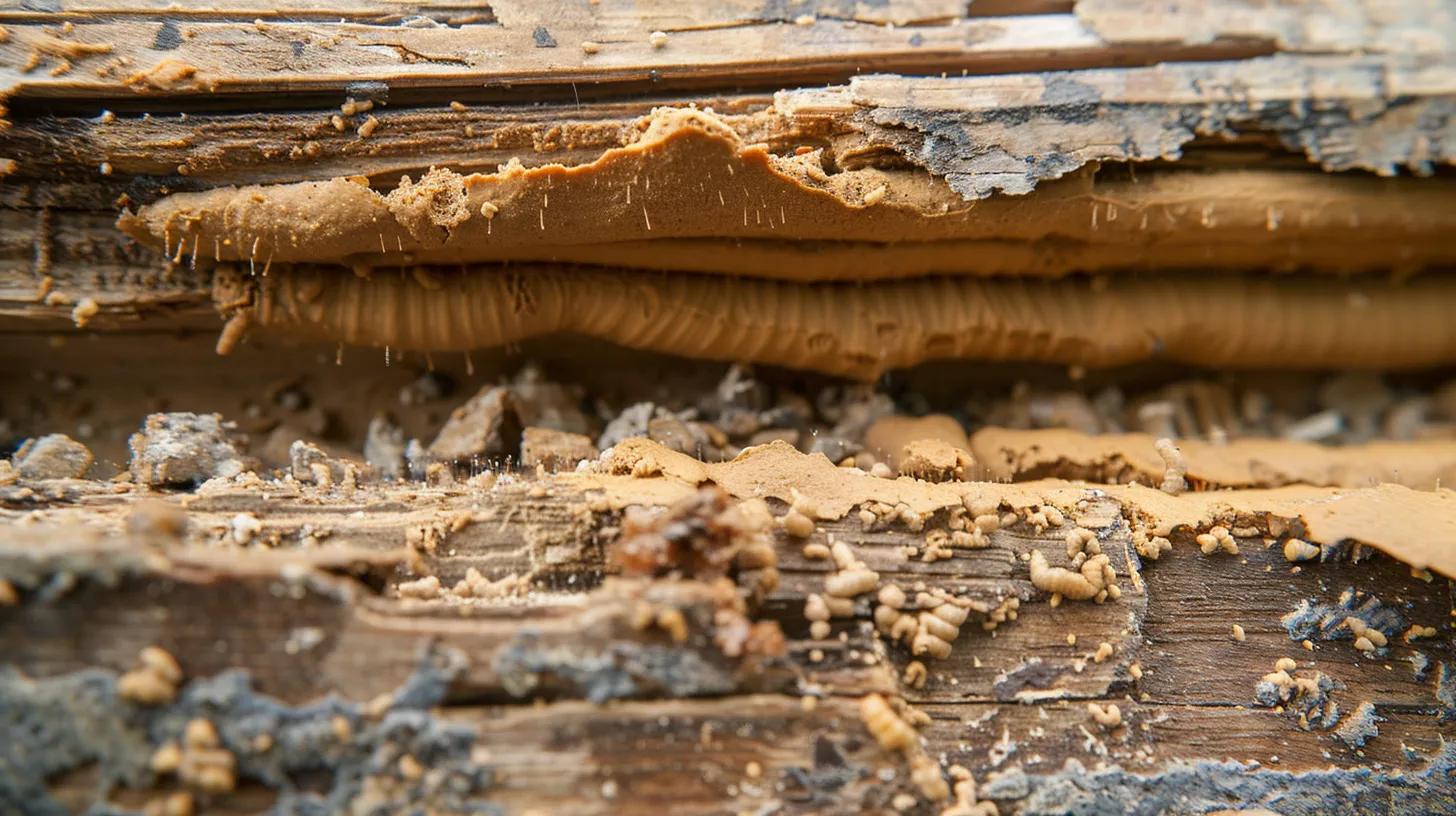
Termite damage can range from barely noticeable to catastrophic, depending on how long an infestation has been active. Here’s what you need to know to spot the warning signs before they become expensive problems.
Visual Signs of Termite Damage
Wood Damage and Hollowed-Out Wood
The most telling sign of termite damage is wood that sounds hollow when tapped or feels soft to the touch. Termites eat wood from the inside out, often leaving only a thin shell of sound wood on the surface. This creates that characteristic “hollow” appearance and sound.
Look for this type of damage in:
- Wood beams in crawl spaces or basements
- Wooden posts supporting decks or porches
- Door frames and window frames
- Interior wooden studs (especially near foundation level)
- Hardwood flooring (especially in older Lake Worth homes)
Mud Tubes
Subterranean termites build pencil-thin mud tubes to travel from the soil to wood structures. These tubes protect termites from drying out and from predators. You’ll find mud tubes running up foundation walls, along basement walls, or around utility penetrations.
Mud tubes are often light brown or tan, about the thickness of a pencil, and look like dried mud or clay. They’re a nearly definitive sign of subterranean termite activity.
Check for mud tubes:
- Along the exterior of your foundation
- Around wooden piers or posts
- Near crawl space openings
- Around plumbing or electrical penetrations
- In areas where wood touches soil
Swarmers and Discarded Wings
During spring (and sometimes fall), termite colonies produce winged termites called “swarmers” that fly away to establish new colonies. If you see:
- Flying insects that look like flying ants but with straight antennae and equal-length wings
- Piles of discarded wings on windowsills or near lights
- Small piles of wings indoors, especially near windows or doors
…you likely have a termite infestation nearby.
Less Obvious Signs That Indicate Termite Damage
Damaged Drywall and Plaster
Termites sometimes damage drywall or plaster walls from behind. You might notice:
- Blistering paint or wallpaper
- Sagging or buckling walls
- Holes in drywall (which termites create when moving through)
- Water-damaged appearance without any obvious water leak
Squeaky or Bouncy Floors
Termites eating away at floor joists (the wooden beams supporting your floors) create structural weakness. This can cause:
- Floors to squeak where they previously didn’t
- Visible sags or slopes in flooring
- Floors that feel “bouncy” or springy when you walk
- Separation between walls and floor trim
Stuck Windows or Doors
When termites damage the wooden frames of windows or doors, they can warp, making the windows or doors stick or become difficult to open and close. This is especially noticeable in Lake Worth homes during the humid summer months when wood swelling is common anyway—if a window suddenly became difficult to operate when it wasn’t before, termites might be the culprit.
Comparison: Subterranean vs. Drywood Termites in South Florida
Understanding the differences between termite types helps you identify which type might be damaging your Lake Worth home and how urgently you need to act.
| Termite Type | Where Found | Damage Pattern | Signs | Threat Level | Service |
|---|---|---|---|---|---|
| Subterranean | Most common in Lake Worth; require soil contact | Eat wood along grain; follow mud tubes; damage spreads slowly but steadily | Mud tubes; softwood; hollow beams | Very High | Professional treatment |
| Drywood | Less common but present in Lake Worth; live inside wood | Eat wood across grain; no mud tubes needed; damage can spread rapidly | Wood damage without mud tubes; fecal pellets; damaged wood in walls/attics | High | Attic inspection & treatment |
| Dampwood | Uncommon in Lake Worth; prefer very moist wood | Similar to drywood; require high moisture | Found in wet wood; less common in treated homes | Moderate | Moisture control assessment |
For Lake Worth homeowners: Subterranean termites are your primary threat due to our sandy soil and humid conditions. However, drywood termites are also present and can be just as destructive in attics, wooden frames, and other dry wood structures.
Why Professional Inspection Is Critical for Lake Worth Homeowners
While these visual signs are important to know, most termite damage happens invisibly—inside walls, within floor joists, and in crawl spaces where homeowners never look. This is why professional termite inspections are essential for Lake Worth homes.
What You Can’t See on Your Own
Termites often damage wood that isn’t visible from the surface. A thorough professional inspection will assess:
- Behind walls where termites frequently travel
- Crawl spaces that few homeowners regularly enter
- Attic spaces where drywood termites hide
- Inside wall cavities that opened for electrical work
- Under porches and decks where subterranean termites thrive
- Wood-to-soil contact points where termite colonies establish
A professional inspector has the training, tools, and experience to spot damage you’d miss, even if you knew exactly what to look for.
The Cost of Delayed Action
The difference between catching termite damage early and catching it late can be thousands of dollars:
- Early detection (minor damage): $2,000-$5,000 in repairs
- Moderate infestation (6-12 months undetected): $5,000-$15,000
- Severe damage (2+ years undetected): $25,000-$50,000+
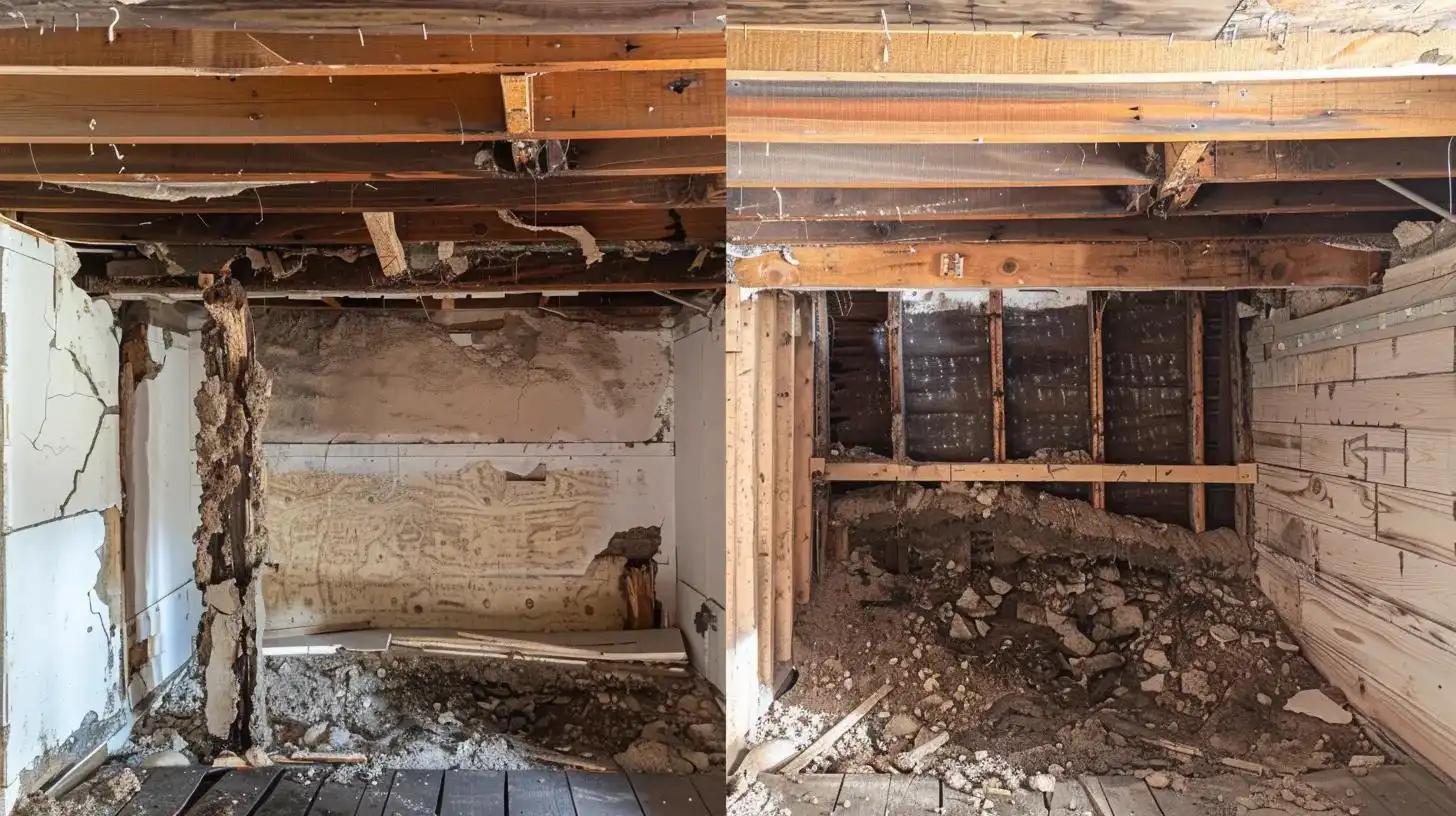
In severe cases, Lake Worth homes have required complete structural reconstruction of foundations, floor systems, or roof supports due to undetected termite damage.
Bugsy’s Professional Termite Control Process for Lake Worth Homes
Once termite damage is confirmed, professional treatment is the only reliable solution. Here’s how Bugsy’s termite control service works to eliminate infestations and prevent future damage in Lake Worth Beach homes:
Step 1: Comprehensive Inspection
Our termite specialists conduct a detailed inspection of your entire Lake Worth property, including:
- Foundation and perimeter inspection
- Crawl space examination
- Attic evaluation (including attic sanitation assessment)
- Assessment of all wood-to-soil contact points
- Identification of moisture problems that attract termites
- Evaluation for other wood-destroying pests (drywood termites, carpenter ants, powder post beetles)
We use specialized equipment and our trained eye to find infestations that are invisible to untrained homeowners.
Step 2: Customized Treatment Plan
Based on the inspection findings, we develop a treatment plan tailored to your specific situation. For Lake Worth homes, this typically includes:
For Subterranean Termites:
- Soil barrier treatment around the foundation perimeter
- Termiticide barriers that create a protective zone
- Interior treatment of affected wood structures if necessary
- Installation of bait stations to monitor and eliminate colonies
- Prevention strategies to reduce moisture around your home
For Drywood Termites:
- Targeted spot treatments to affected wood
- Heat treatment for accessible infested areas (if appropriate)
- Attic and wall cavity treatment if colonies are detected
- Structural repair recommendations
Our termite treatment options use proven methods that eliminate existing colonies while preventing new infestations.
Step 3: Prevention and Monitoring
After initial treatment, we establish an ongoing monitoring program:
- Regular inspections to catch any new activity early
- Annual termite warranties (depending on treatment type)
- Recommendations for moisture reduction to make your Lake Worth home less attractive to termites
- Recommendations for repairs to wood-to-soil contact points
Step 4: Follow-Up and Guarantee
We don’t just treat and leave. Bugsy’s backs our work with guarantees and follow-up services. If termite activity returns within the coverage period, we retreat at no cost.
This comprehensive approach is why Lake Worth homeowners trust Bugsy’s for termite control—we don’t just eliminate the current problem; we prevent future infestations.
Prevention Tips for Lake Worth Homeowners
While professional termite control is essential, you can reduce the risk of infestation by following these practical prevention strategies:
Reduce Moisture Around Your Home
Since subterranean termites need soil moisture, reducing moisture around your foundation is critical:
- Fix drainage: Ensure gutters direct water away from your foundation (not toward it)
- Grade soil properly: The ground should slope away from your home so water runs off rather than pooling
- Maintain proper clearance: Keep mulch, landscaping, and soil at least 6 inches away from wooden structures
- Fix leaks promptly: Any water intrusion in crawl spaces or basements should be addressed immediately (see our residential pest control services for assessment)
In Lake Worth’s wet climate, moisture control is your first line of defense against other pest problems as well.
Eliminate Wood-to-Soil Contact
This is one of the easiest preventive measures, and often recommended alongside attic sanitation services:
- Don’t bury wood: Wooden posts, decks, and fence lines should not make direct contact with soil
- Use barriers: If wood-to-soil contact exists, install termite barriers or concrete pads
- Inspect periodically: Check that concrete footings haven’t degraded, allowing wood to touch soil again
Maintain Regular Inspections
Even with preventive measures, regular professional inspections catch infestations before they become expensive. This is especially important compared to other Lake Worth pest control challenges like rodent control and ant infestations:
- Annual inspections: Every Lake Worth home should have at least annual professional termite inspections
- New construction: Have new homes inspected before you move in
- After heavy rains: Lake Worth’s hurricane season brings heavy rains; inspect afterward to catch moisture issues
- If you notice signs: Any suspicious wood damage warrants immediate professional evaluation
Remove Termite Food Sources
While you can’t remove all wood from your property, you can reduce tempting targets:
- Remove dead trees and stumps: Dead wood is termite heaven
- Don’t store firewood against the house: Keep woodpiles away from structures
- Clear fallen branches: Termites readily infest fallen wood
- Avoid wood-based mulch near foundations: Use gravel or rock mulch instead
Address Structural Issues
Sometimes prevention is as simple as fixing problems that create vulnerability:
- Repair damaged wood: Replace wood showing signs of rot or damage
- Seal cracks in foundation: Termites enter through tiny cracks
- Install termite shields: Metal barriers can be installed on piers and posts to block termite access
- Improve ventilation: Good airflow in crawl spaces reduces moisture and termite attraction
When to Call for Professional Help: Don’t Delay
You should contact a professional termite specialist immediately if you notice any of these warning signs in your Lake Worth home:
Call right away if you see:
- Mud tubes on foundation walls or crawl space supports
- Wood that sounds hollow when tapped
- Swarmers (flying termites) indoors or near your home
- Visible wood damage or structural problems
- Piles of wings on windowsills
Schedule an inspection if:
- It’s been more than a year since your last professional termite inspection
- You’re buying a Lake Worth home (always get a pre-purchase inspection)
- You’ve noticed unusual wood damage but aren’t sure of the cause
- You have concerns about moisture in crawl spaces or basements
Don’t wait for obvious damage. By the time termite damage is obvious, thousands in repair costs are usually unavoidable. Catching it early through professional inspection saves money and protects your most valuable asset—your home.
FAQ: Termite Damage and Lake Worth Homes
Q: Can I treat termite damage myself?
A: Small termite infestations might be treatable with DIY methods, but the risk of incomplete treatment is high. Professional termite treatment is more reliable because we use commercial-grade products, have equipment to treat inaccessible areas, and back our work with warranties. For Lake Worth homes, professional treatment is recommended.
Q: How quickly does termite damage happen?
A: It depends on colony size and infestation duration. Minor damage can take months to develop, but a large active colony can cause significant damage within 6-12 months. This is why regular inspections are critical—you want to catch infestations while damage is still minor.
Q: How much does termite treatment cost in Lake Worth?
A: Treatment costs vary based on infestation extent and property size. Initial treatments typically range from $2,000-$8,000. Prevention and monitoring programs are often more cost-effective than dealing with advanced infestations. Contact Bugsy’s for a free estimate.
Q: How often should I get termite inspections in Lake Worth?
A: At minimum annually, though many Lake Worth homeowners get inspections every 6 months given our high termite pressure. New construction or homes with previous termite issues should be inspected more frequently.
Q: What’s the difference between termites and carpenter ants?
A: Carpenter ants are larger (visible to the naked eye) and leave sawdust-like debris. Termites are smaller, softer-bodied, and leave mud tubes or hollowed wood. Both cause wood damage, but termites are generally more destructive in Lake Worth.
Don’t Let Termite Damage Compromise Your Lake Worth Home’s Integrity
Lake Worth Beach’s climate makes termite infestation not a question of “if” but “when.” The good news is that termite damage is completely preventable and treatable when caught early.
The key is action. Whether you’ve spotted signs of termite damage or simply want to protect your home from future infestation, professional inspection and treatment from Bugsy’s Pest Solutions is your best defense. We’ve helped hundreds of Lake Worth homeowners eliminate termite colonies and prevent structural damage before it becomes catastrophic.
Don’t wait until you see obvious damage. Schedule your professional termite inspection today, and let us protect one of your most valuable assets—your Lake Worth home.
Ready to get your Lake Worth home termite-free?
Call Bugsy’s Pest Solutions at (561) 654-8998 for a $99 termite inspection and treatment estimate. We’ll identify any current problems and create a prevention plan to keep termites out of your Lake Worth home for good.