

Wasps are a common hazard in Lake Worth Beach: nests can appear in many parts of a property and provoke aggressive behavior when disturbed. This guide summarises evidence-based wasp removal approaches, typical costs, and why licensed professionals deliver safer, more reliable outcomes. Knowing services, prices, and nest signs helps you choose the right solution.
Effective Methods
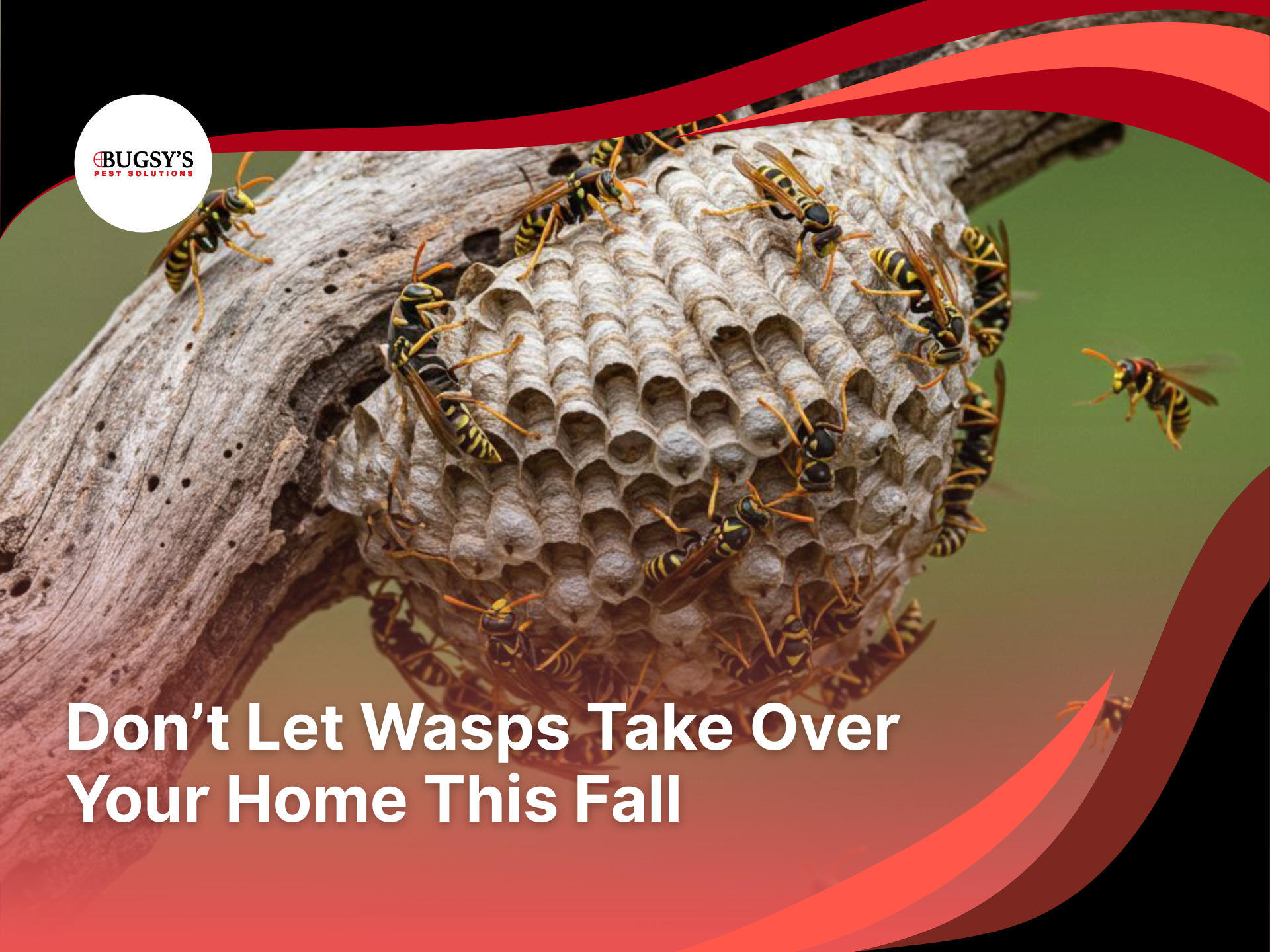
Effective control follows inspection, targeted treatment, and prevention to stop return infestations.
- Inspection Process: Technicians locate nests and identify species to select the right approach.
- Treatment Methods: Options include targeted insecticides or physical removal, chosen for the site and species.
- Post-Removal Nest Management: Technicians recommend steps to prevent re-infestation and manage residual activity.
Combining these steps gives the best chance of a lasting solution.
Associated Costs
Prices depend on nest size, location, species, and urgency; quotes typically reflect the work scope and any follow-up.
| Service Type | Description | Price |
|---|---|---|
| Standard Wasp Removal | Comprehensive treatment for small nests | $200 |
| Emergency Wasp Removal | Immediate response for large or aggressive nests | $300 |
| Ongoing Maintenance | Preventative treatments during the season | $150/month |
Knowing these ranges and what each package covers helps homeowners compare providers and budget appropriately.
Customer Satisfaction

Satisfaction depends on clear communication, consistent results, and timely responses. Reputable firms emphasise warranties, documented reviews, and emergency availability.
- Satisfaction Guarantees: Many providers back their work with warranties.
- Reputation Highlights: Reviews and testimonials indicate reliability.
- Emergency Service Options: Rapid-response services increase homeowner confidence.
Why Choose Professional Wasp Removal Services in Lake Worth Beach?
Professionals bring technical expertise, safety protocols, and methods adapted to local species and conditions.
Expertise
Technicians have training in wasp behavior and removal and can identify species to guide effective treatments.
- Training Highlights: Formal training prepares technicians for challenging removals.
- Species Identification Skills: Correct ID reduces re-infestation risk.
Safety Measures
Safety is central: technicians use protective gear and follow protocols to limit exposure and injuries.
- Equipment Used: Specialized protective gear and tools ensure safe removal.
- Safety Protocols Followed: Established procedures minimize risk to occupants and staff.
Cost-Effectiveness
Although services cost money upfront, professional removal often prevents repeated treatments and medical expenses from stings.
- Potential Costs of Stings: Avoid costly medical care from multiple stings.
- Long-Term Savings: Proper removal helps prevent future infestations and protects property value.
Environmental Considerations
Many providers use targeted or lower-impact products to limit harm to non-target species and local ecosystems. Choosing eco-friendly options reduces environmental impact while controlling pests.
- Products Used: Safer solutions reduce effects on beneficial insects.
- Impact on Local Ecosystems: Sustainable methods aim to manage wasps without excessive chemicals.
Comprehensive Solutions
Providers may offer ongoing programmes combining inspection, prevention, and scheduled follow-up to reduce recurrence.
- Long-term Management Strategies: Regular assessments and treatments help prevent return infestations.
- Preventative Treatments: Sealing entry points and routine inspections cut future risk.
What Are the Benefits of Hiring a Licensed Wasp Exterminator?
Licensed exterminators follow safety standards, use approved techniques, and provide accountability for their work.
- Safety Enhancements: Licensed pros follow strict safety protocols.
- Effectiveness of Treatment: Advanced methods and products improve eradication.
- Cost Considerations: Professional work can save money over repeated DIY attempts.
Credentials give homeowners confidence that work meets regulatory and safety expectations.
How Does Local Knowledge Improve Wasp Control Effectiveness?
Local experience—understanding Lake Worth Beach climate, habitats, and common species—lets technicians tailor methods for better results.
- Understanding Local Species: Knowing prevalent species guides targeted control.
- Environmental Adaptations for Control: Strategies are adjusted for local climate and habitats.
How Can Homeowners Identify and Safely Remove Wasp Nests?
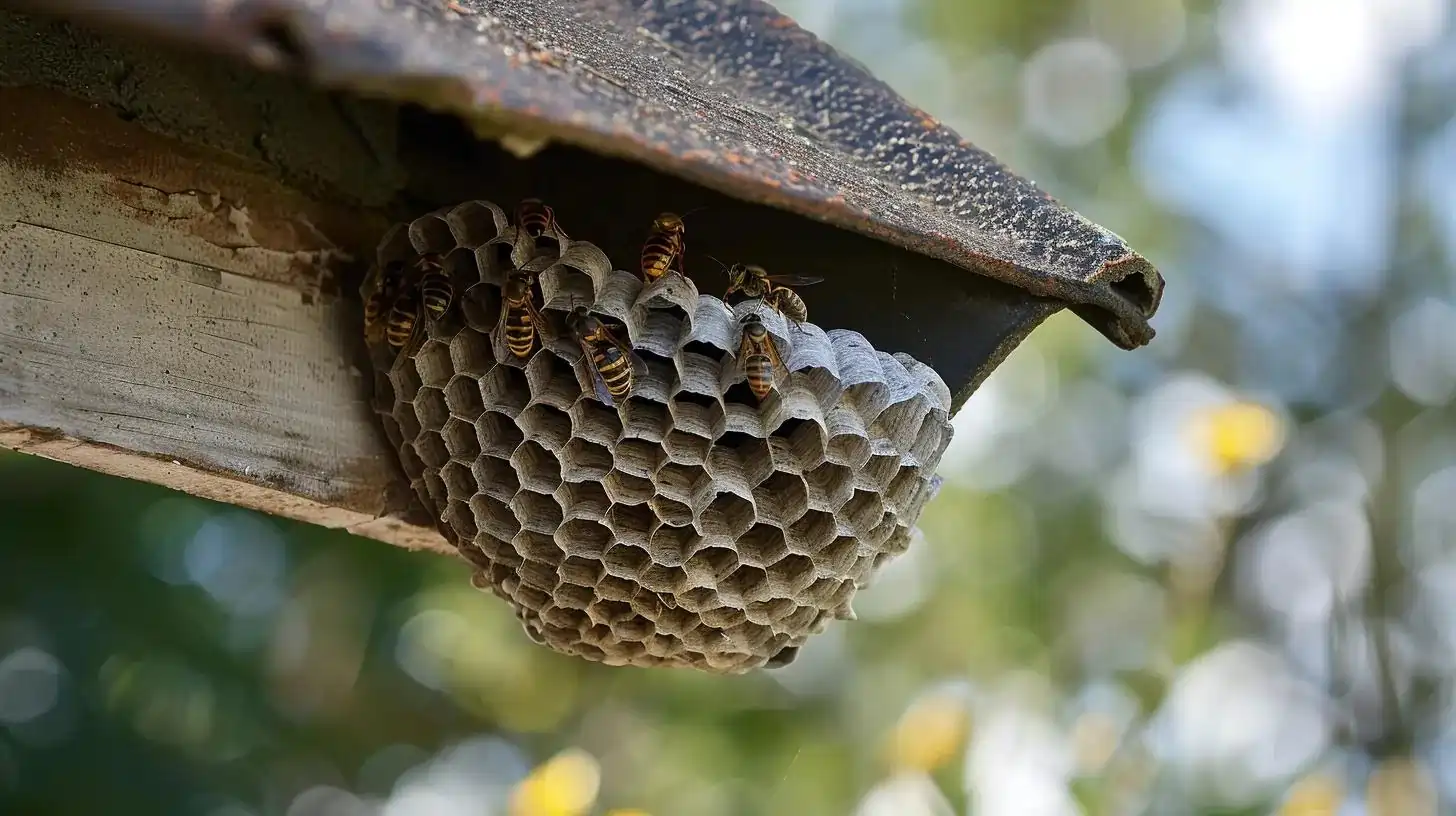
Early identification reduces risk. Watch for increased activity, visible nests, or repeated traffic to one spot, and keep a safe distance.
- Signs of Infestation: Increased wasp activity and visible nests are key indicators.
- Safety Precautions to Follow: Do not provoke nests; contact a professional rather than attempting risky removal.
What Are the Common Wasp Species and Nest Characteristics in Lake Worth Beach?
Common local types include ground-nesting yellowjackets, umbrella-shaped paper wasps, and bald-faced hornets with large aerial nests.
- Yellowjackets: Often nest in the ground and can be aggressive.
- Paper Wasps: Build umbrella-shaped nests under eaves and decks.
- Bald-Faced Hornets: Build large aerial nests in trees or shrubs.
Invasive wasp species like the European Paper Wasp and the German Wasp are also subject to eradication efforts in other regions, according to current research.
Wasp Nest Removal: Case Studies in Invasive Species Management
Three additional invertebrate species are currently managed through integrated pest management (Bactrocera dorsalis, the Oriental Fruit Fly) or nest eradication (Vespula germanica, the German Wasp, and Polistes dominula, the European Paper Wasp). Experience and lessons from alien and invasive animal control projects in South Africa, 2020
Recognising species and nest forms helps select appropriate control measures quickly.
What Safety Measures Should Be Followed During Residential Wasp Nest Removal?
Prepare an emergency plan, ensure first-aid and antihistamines are available, and confirm the removal team follows safety protocols.
- Emergency Preparations: Have a plan and treatments ready if stings occur.
- Protective Gear Recommendations: Professionals wear full protective suits, gloves, and masks.
Using trained technicians with proper equipment greatly reduces injury risk.
What Are the Costs and Services Included in Residential Wasp Removal Packages?
Typical packages include an inspection, targeted treatment, follow-up visits, and documentation. Clear scopes and transparent pricing avoid surprises.
- Transparent Pricing: Itemised costs for inspection, treatment, and follow-up build trust.
- Overview of Service Packages: Different packages suit varied needs and budgets.
Review package details and warranty terms to pick the best fit for your home.
How Does Bugsy Offer Free Estimates and Transparent Pricing?
Bugsy offers an easy estimate process and clear pricing so homeowners know what is included before work begins.
- Free Estimates Process: Homeowners can request free estimates with no hidden costs.
- Emphasis on Transparency: Clear pricing helps clients budget and avoid surprises.
This openness builds trust and supports informed decisions.
How Do Eco-Friendly Wasp Removal Methods Protect Your Home and Environment?
Eco-friendly methods use targeted, lower-impact products and techniques to reduce harm to beneficial insects and limit residue while still controlling wasp populations.
- Impact of Eco-Friendly Practices: Safe, non-toxic alternatives protect beneficial species.
- Safety for Pets and Children: These methods prioritize household safety.
Adopting considerate methods safeguards occupants and local ecosystems.
Why Is Choosing an Eco-Friendly Wasp Removal Company Important?
Choosing a company that prioritizes eco-friendly practices lowers health risks from chemical exposure and helps preserve local plants and wildlife.
- Health and Safety Benefits: Lower risk of adverse health effects from chemicals.
- Local Ecosystem Preservation: Protects local flora and fauna and supports balanced ecosystems.
Choosing eco-friendly services demonstrates commitment to both occupant safety and environmental stewardship.
Frequently Asked Questions
What precautions should be taken during DIY wasp removal attempts?
If attempting DIY removal, use full protective clothing, work at dawn or dusk when wasps are less active, avoid disturbing nests directly, and have an emergency plan and appropriate insecticide. If unsure, hire a professional.
How can pets and children be kept safe during professional wasp removal?
Keep pets and children indoors and away from the treatment area while work is underway and briefly afterward. Inform the team about vulnerable occupants and follow the technician’s guidance on safe return timing.
What are the environmental impacts of traditional wasp removal methods?
Traditional broad-spectrum insecticides can affect non-target species, including pollinators, and leave residues. Targeted treatments, mechanical removal, or lower-persistence products reduce these effects; discuss sustainable options with providers.
How often should preventative treatments be applied to avoid wasp infestations?
Preventative treatments are most effective before and during the active season (spring onward). Annual inspections are recommended, with extra checks or repeat treatments in high-activity periods as needed.
Can wasp nests be relocated instead of removed?
Relocation is sometimes possible for non-aggressive species and where regulations permit, but it is less common in populated areas. Many services prioritize elimination for safety; consult a qualified professional for options.
What signs indicate a wasp infestation?
Look for increased wasp traffic to one area, visible nests under eaves or in attics, and repeated entries and exits at a single point. Early detection helps professionals respond faster and more safely.
Conclusion
Professional wasp removal offers a safety-focused, evidence-based solution for Lake Worth Beach homeowners. Licensed technicians using proven methods and transparent pricing reduce risk, protect families, and preserve property. Contact a qualified pest control provider promptly to assess nests and set a removal and prevention plan.