


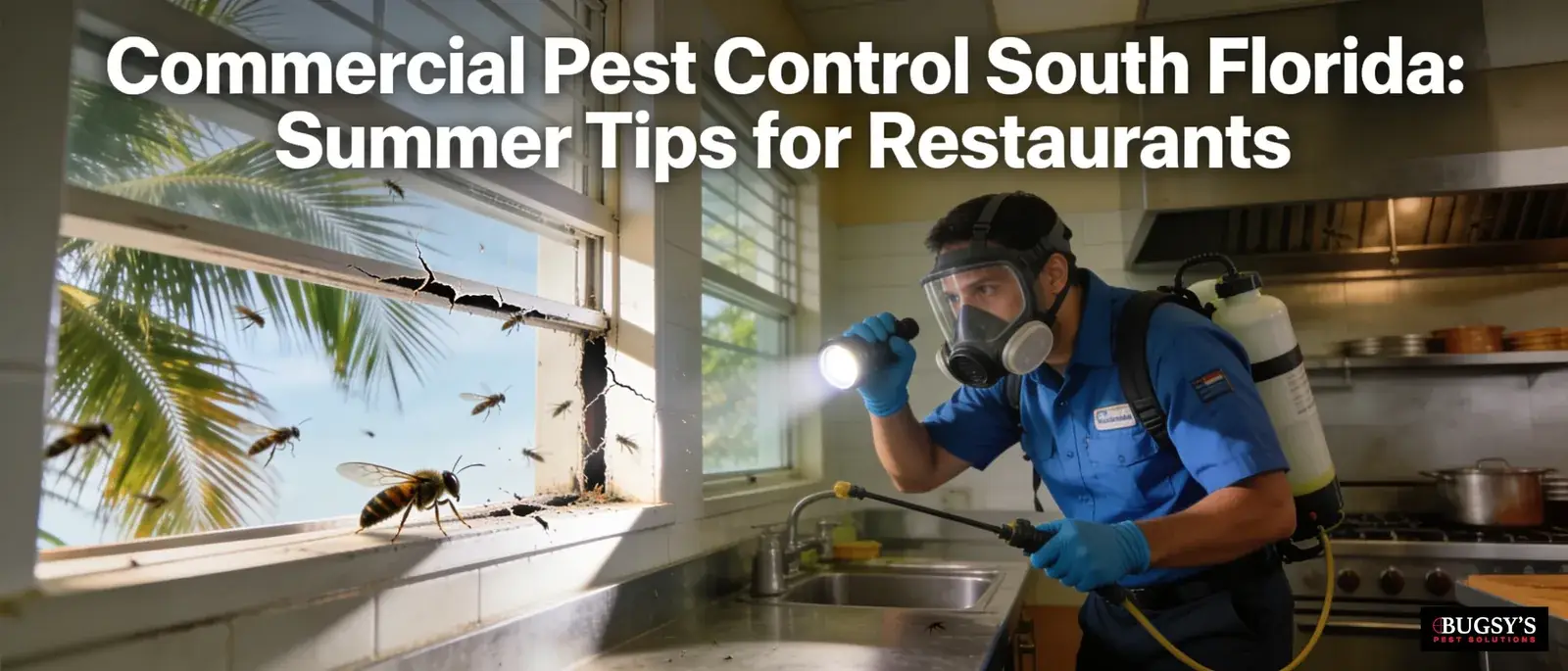
Restaurants across South Florida require weekly summer inspections targeting drains, grease traps, and dumpster areas where German cockroaches and flies breed fastest. Bugsy’s Pest Solutions, a veteran-owned team based in Lake Worth Beach, FL serving South Florida, schedules proactive treatments before humidity spikes trigger infestations and health code violations.
South Florida’s summer heat and humidity fuel year-round pest activity, making restaurant prevention essential during peak dining season. Bugsy’s Pest Solutions, a veteran-owned company serving Palm Beach and Broward counties, recommends sealing entry points, scheduling regular inspections, and maintaining sanitation protocols to stop rodents and insects before one sighting damages guest trust.
Key Takeaways
- Summer pest activity peaks during restaurants’ busiest season, requiring intensified commercial pest control measures.
- Even one pest sighting damages guest experience and restaurant reputation in South Florida’s competitive dining market.
- Rodents pose significant food safety risks to restaurants across South Florida.
- Bugsy’s Pest Solutions, a veteran-owned Lake Worth Beach company, serves South Florida restaurants year-round.
Why Does Summer Bring More Pests to Your Restaurant?
Rising temperatures across South Florida drive pest activity upward, and restaurant kitchens become prime targets right when guest traffic peaks. Summer marks the busiest season for dining rooms from Fort Lauderdale to Miami-Dade. It’s equally the busiest season for the insects and rodents trying to get inside. That timing creates real financial risk: an infestation during peak revenue months threatens health inspection scores, online reviews, and repeat business all at once.
Warmth and humidity accelerate pest reproduction cycles, and South Florida’s climate rarely offers relief. Rodents, flies, and cockroaches all become more active as temperatures climb, and open doors during busy service hours give them easy access. Flies in particular move fast — they slip through propped-open doors, gaps under loading docks, and even hairline cracks near window frames.
Why is South Florida pest pressure different from other regions?
South Florida’s warm, humid conditions keep pests active every month of the year, unlike colder regions that see seasonal die-off. There’s no true off-season here, which means commercial pest control South Florida operators can’t rely on a winter lull to catch up on prevention.
Which pests pose the biggest summer risk to restaurants?
Flies, rodents, and cockroaches top the list during summer months. Each thrives in warm conditions and gains easy entry through the constant door traffic that comes with a full dining room.

How Can You Keep Rodents Out This Summer?
A disciplined garbage routine keeps rats. Mice out of South Florida restaurants more effectively than almost any other single measure. Food scraps and abandoned leftovers draw rodents from blocks away. Kitchens gain the most ground by clearing waste immediately rather than letting bins sit overnight. Florida’s dining scene is booming across tourist corridors and neighborhood spots alike, and summer reservations climb sharply. That surge makes early summer the right moment to lock in preventative rodent measures before peak crowds arrive.
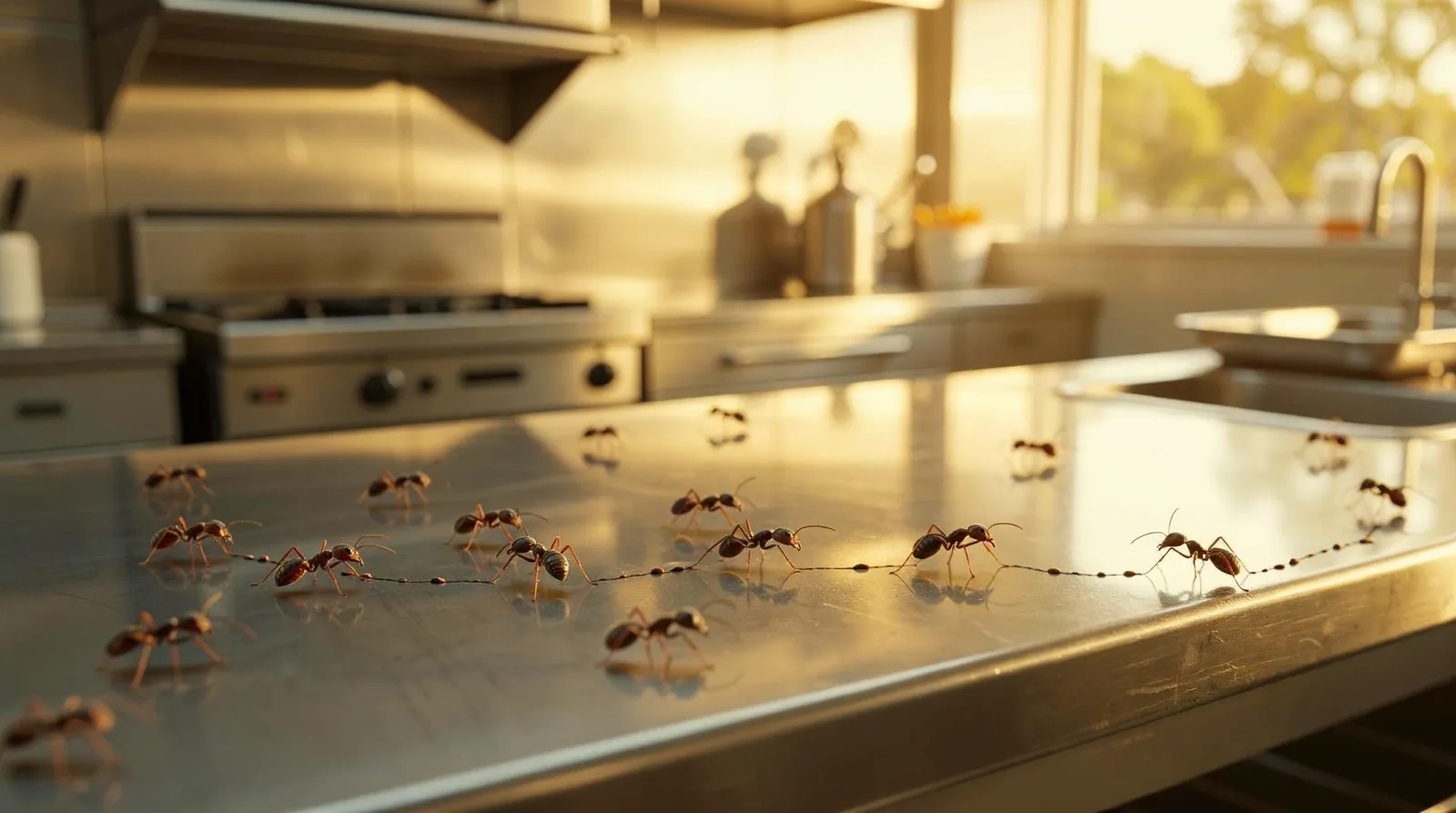
Rodents rarely travel alone in a commercial kitchen. florida ant pest control shows that ants, cockroaches, and spiders tend to show up alongside them. All four pests are drawn to the same food residue, standing water, and cluttered storage areas. A facilities manager who addresses one usually needs a plan for all four.
What Attracts Rodents to Restaurants?
Loose food waste, unsealed trash bins, and grease buildup near dumpsters give rodents easy access to a steady food source. Storage rooms with cardboard boxes or unsealed dry goods offer additional shelter, especially overnight when kitchens sit quiet.
How Often Should Trash Be Removed?
Waste should leave the kitchen as soon as service allows, not at the end of a shift. Bins outside need tight-fitting lids and regular cleaning to prevent odors from spreading.
Recommended habits include:
- Removing food waste immediately after prep and service
- Sealing outdoor dumpsters and cleaning surrounding sidewalk
- Storing dry goods in airtight, elevated containers
Commercial pest control South Florida providers, including Bugsy’s Pest Solutions serving Palm Beach and Broward counties, help restaurants build these habits into a lasting seasonal defense.
When Should You Bring in a Pest Control Partner?
Peak summer is the answer. South Florida’s rising heat and humidity drive roaches, rodents, and flies indoors right as restaurant traffic surges across South Florida. Waiting until a guest spots something on the dining floor already costs the reputation damage. And the food safety risk — that summer pest pressure creates.
How often should a restaurant work with a pest control provider?
Year-round, not seasonally. Long-term success comes from an ongoing, collaborative relationship between kitchen managers and a professional partner running an integrated pest management (IPM) plan, one that adjusts to seasonal pressure instead of reacting to it after damage is done.
What happens if a restaurant waits too long to call a professional?
Delayed action often leads to failed health inspections, temporary closures, and lost customer trust that takes months to rebuild. Commercial pest control South Florida operators trust treats prevention as a compliance requirement, not an optional comfort measure.
Signs that signal it’s time to bring in support include:
- Droppings or grease trails near storage or prep areas
- Increased fly activity near dumpsters or entry points
- Any pest sighting reported by staff or guests
Bugsy’s Pest Solutions applies science-backed, eco-friendly treatment with a pest-free guarantee, returning between visits at no extra charge if pests reappear.
Managing pest control during South Florida’s demanding summer season requires vigilance, strategic planning, and professional expertise. By implementing the preventative measures and integrated pest management strategies outlined throughout this guide, your restaurant protects its reputation, ensures regulatory compliance, and safeguards your customers’ dining experience. Partner with a pest control provider who understands the unique challenges of the region. Combines science-backed methods with a commitment to safety. Your proactive approach today prevents costly infestations and operational disruptions tomorrow.
FAQ
Why is South Florida pest pressure different from other regions?
South Florida’s warm, humid conditions keep pests active every month of the year, unlike colder regions that experience seasonal die-off. Commercial pest control operators here can’t rely on a winter lull to catch up on prevention.
How can restaurants keep rodents out this summer?
A disciplined garbage routine, clearing food scraps and leftovers immediately rather than letting bins sit overnight, keeps rats and mice away. Addressing rodents also matters because ants, cockroaches, and spiders tend to show up alongside them, drawn to the same food residue and clutter.