

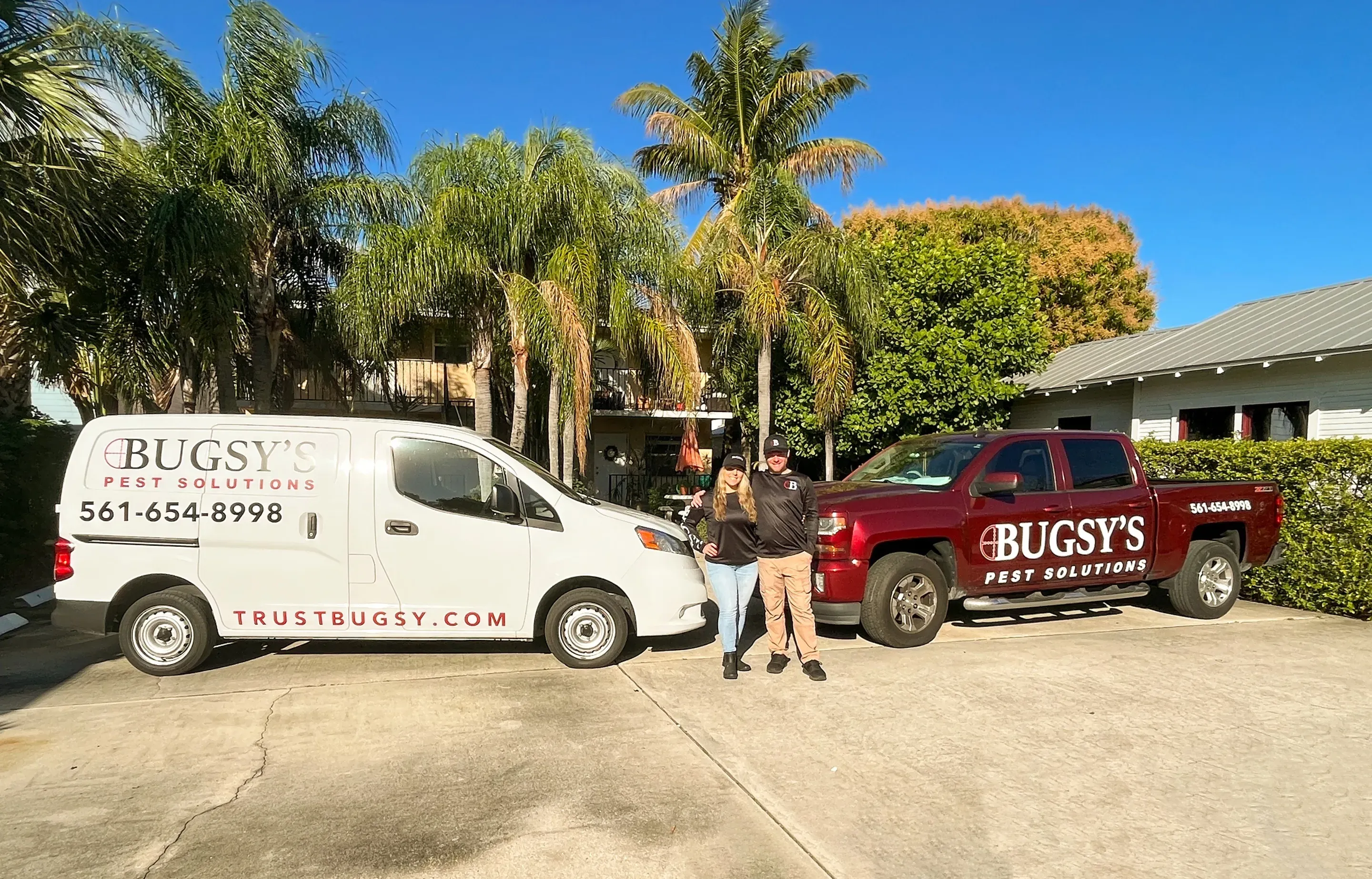
Commercial pest control inspections in Boca Raton identify current problems, reduce future risk, and ensure compliance. This guide summarizes the key procedures, pest ID approaches, treatment options, regulatory considerations, and how businesses should prepare for inspections.
Inspection Procedures
Inspections follow a systematic process to locate evidence, assess activity, and document findings for action.
- Conduct Thorough Property Inspections: Inspect both interior and exterior for droppings, nests, entry points, and damage.
- Identify Active Pest Activity: Note live pests, trails, or recent signs to assess urgency.
- Document Findings: Create a concise report with photos and recommendations to guide treatment and prevention.
These steps set a clear baseline for pest management and ongoing monitoring.
Commercial Pest Control: Prevention, Treatment, and Professional Extermination
Control of pests is most effective when entry into food establishments is prevented and shelter areas and food sources are eliminated. If pests become established, pesticides, traps and other control methods are necessary. These control tools should supplement, not replace, effective sanitation. Because pesticides are toxic, they must be chosen and handled with care; precautions during use, storage and disposal are essential. While a trained employee may handle some pesticides, a professional exterminator should be used for complex or hazardous applications.
Pest control, MW Schilling, 2018
Pest Identification
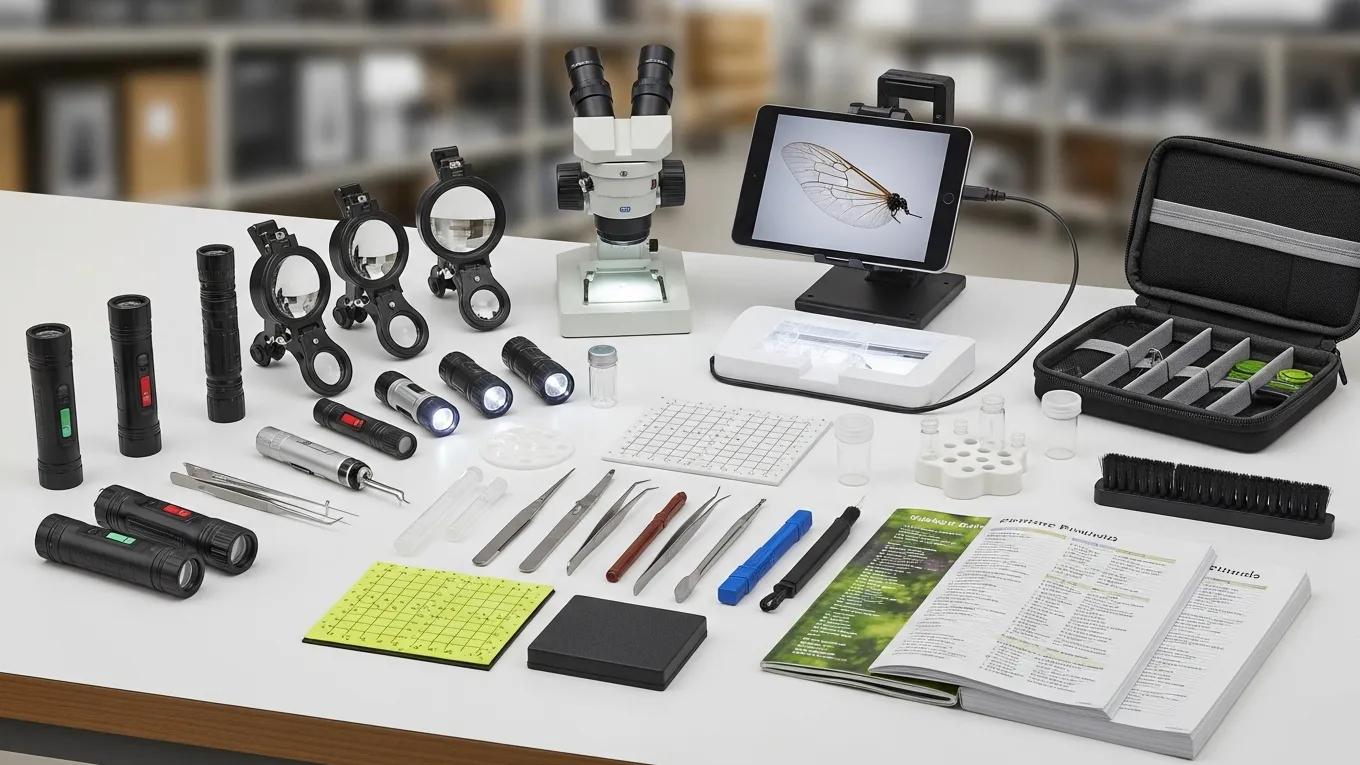
Accurate identification determines the most effective treatment. Inspectors combine visual checks with tools and species-specific signs to classify infestations.
- Use Specialized Detection Tools: Moisture meters, thermal cameras, and traps reveal hidden activity.
- Assess Infestation Levels: Determine spread and intensity to prioritize actions.
- Document Pest Species: Species-level ID enables targeted, effective treatments.
Effective ID supports immediate treatment choices and longer-term prevention plans.
Commercial Pest Monitoring with Pheromone Traps
The use of commercial pheromone traps for monitoring
Pest management, prevention and control, 1999
Treatment Recommendations
Inspections conclude with clear, tailored treatment plans addressing both immediate control and prevention.
- Develop Customized Service Plans: Match tactics to pest type, site use, and infestation level.
- Include Immediate Treatment Strategies: Use targeted applications or removal where needed to stop spread.
- Recommend Long-Term Prevention Measures: Seal entry points, improve sanitation, and schedule monitoring.
For local service options and estimates, businesses can contact Bugsy.
Compliance with Local Regulations
Adhering to Florida and local regulations protects customers, employees, and the business from penalties.
- Adhere to Florida Regulations: Follow state rules on pesticides and licensed application.
- Maintain Service Logs: Keep concise records of inspections, treatments, and follow-ups.
- Ensure Compliance for Audits: Organized documentation simplifies audits and inspections.
Recordkeeping and trained applicators are central to regulatory compliance.
Emergency Response
Have a clear emergency protocol to address sudden or severe pest activity quickly.
- Provide Emergency Response Protocols: Define steps, contacts, and containment measures.
- Address Pest Activity Between Visits: Rapid response and temporary controls reduce impact.
Preparedness minimizes disruption and health risks.
Follow-Up Monitoring
Regular follow-ups confirm treatment success and detect new activity early.
- Schedule Regular Follow-Ups: Set inspections at intervals based on risk.
- Ensure Treatment Effectiveness: Adjust strategies if monitoring shows ongoing activity.
Ongoing monitoring keeps properties protected over time.
Documentation
Concise, consistent records support management and regulatory needs.
- Maintain Comprehensive Records: Log observations, products used, and actions taken.
- Document Compliance for Audits: Keep reports and invoices organized for review.
Good records improve accountability and decision-making.
How Are Termites, Ants, Mosquitoes, and Wasps Identified During Inspection?
Inspectors use species-specific clues and site checks to find termites, ants, mosquitoes, and wasps quickly.
- Identification Methods for Termites: Look for mud tubes, damaged wood, or swarms.
- Identification Methods for Ants: Note size, color, trail patterns, and nesting sites.
- Identification Methods for Mosquitoes and Wasps: Inspect standing water, breeding sites, nests, and hives.
Targeted identification directs the most appropriate control and prevention steps.
How Is Safety Ensured with Pest Control Products in Boca Raton Commercial Inspections?
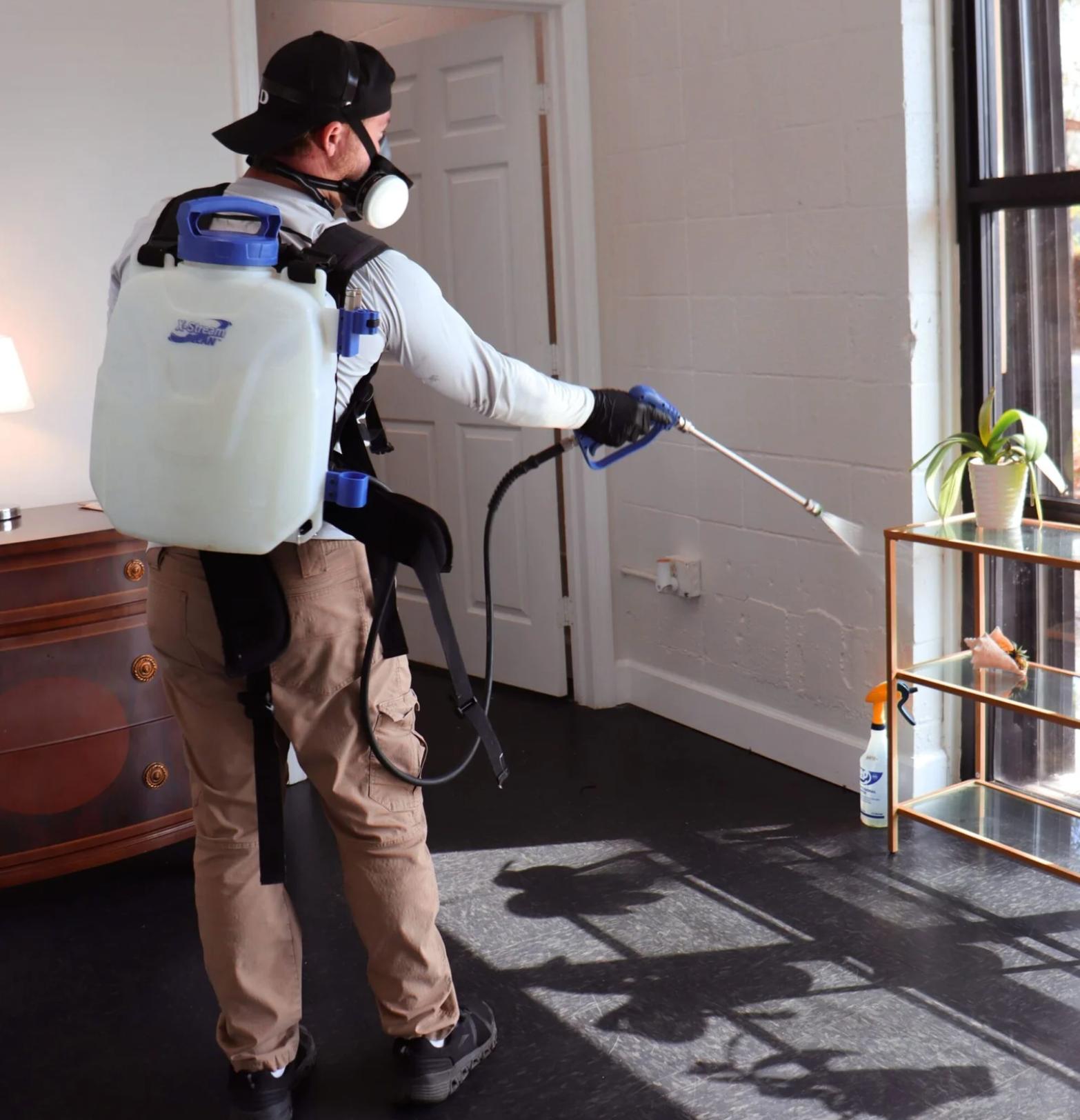
Safety is prioritized through training, product choice, and adherence to safety standards; see the company’s About Us page for details.
- Compliance with Safety Standards: Use approved products and licensed applicators.
- Use of Integrated Pest Management: Emphasise prevention and minimize chemical use.
- Training Requirements for Inspectors: Ensure staff are trained in safe application and PPE use.
These precautions protect people and the environment.
Which Pest Control Products Are Safe for Families and Pets?
Discuss safety preferences with your provider and follow pre-treatment instructions to protect families and pets.
- Communication with Pest Control Provider: Ask about product safety and timing for re-entry.
- Pre-Treatment Instructions: Follow guidance to reduce exposure during treatments.
- Examples of Safe Products: Many companies offer eco-friendly or reduced-risk options.
Choose treatments that balance effectiveness and onsite safety.
What Certifications and Safety Standards Are Followed?
Licensed companies follow state and industry standards to deliver safe, effective services.
- FDACS Licensing: State licensing ensures trained applicators and approved methods.
- Safety Protocols: Use written procedures to protect workers and occupants.
- Compliance Requirements: Regular training and record updates maintain standards.
Certifications demonstrate professionalism and regulatory adherence.
What Are the Key Commercial Pest Control Regulations in Boca Raton for Inspections?
Local rules, public health standards, and documentation expectations drive inspection requirements.
- Impact of Local Regulations: Know area-specific limits and reporting rules.
- Health Department Standards: Follow health guidelines for food-related and public facilities.
- Documentation for Compliance: Keep concise logs to show corrective action and treatments.
Compliance avoids penalties and protects customers.
How Can Businesses Prepare for a Commercial Pest Control Inspection in Boca Raton?
Prepare basic records and ensure access to all areas to speed inspection and improve results.
- Necessary Documentation: Gather past inspection reports and treatment logs.
- Common Preparation Steps: Make areas accessible and report any known pest signs.
- Effective Communication with Pest Control Professionals: Share facility schedules and concerns before the visit.
Preparation reduces time on site and improves the inspection’s value.
What Information Should Be Ready for Inspectors?
Provide past reports, treatment records, and a summary of known pest issues to streamline the visit.
- Necesssary Documents: Previous reports, treatment records, and compliance paperwork.
- Common Pest Issues to Report: Note recurring problems, hotspots, and recent sightings.
- Specific Preparation Steps: Ensure lighting and access to utility and storage areas.
Being organized helps inspectors deliver focused recommendations.
How to Request a Free Estimate and Schedule Inspection Services?
To request an estimate, prepare property details and contact a local provider to schedule a detailed inspection.
- Gather Basic Property Information: Size, type, and any known pest issues.
- Contact a Local Pest Control Service: Request a free estimate and describe your concerns.
- Expect a Detailed Inspection: The visit should document findings and recommend clear next steps.
These actions help keep your property pest-free and compliant.
Frequently Asked Questions
What are the common signs of a pest infestation that businesses should look for?
Common signs include droppings, gnaw marks, nests, unusual odors, shed skins, visible trails, and structural damage like chewed wires or holes. Regular checks help spot issues early.
How often should commercial pest control inspections be conducted?
Frequency depends on risk: quarterly is typical, monthly for high-risk or previously infested sites. Tailor intervals to business type and activity level.
What should businesses do if they discover a pest infestation between scheduled inspections?
Contact your pest control provider immediately, seal entry points where possible, remove food sources, and clean affected areas to limit spread until professionals arrive.
Are there eco-friendly pest control options available for commercial properties?
Yes. Many providers use IPM, non-toxic products, and targeted measures that reduce chemical reliance—ask for sustainable options that fit your needs.
What role does employee training play in pest prevention for businesses?
Training helps staff spot early signs, maintain sanitation, and follow reporting procedures, which lowers overall risk and supports control efforts.
How can businesses ensure compliance with pest control regulations?
Stay informed about local laws, keep accurate records, use licensed professionals, and schedule regular audits or consultations to remain compliant.
What are the benefits of having a pest control service on retainer for commercial properties?
A retainer provides proactive monitoring, quick response to issues, regular documentation, and streamlined compliance support—reducing long-term risk and cost.
Conclusion
A concise inspection checklist, accurate identification, tailored treatments, and good records are essential for safe, compliant commercial properties in Boca Raton. Regular inspections, clear emergency plans, and trained providers help prevent infestations and protect public health. For tailored solutions, contact a professional pest control service.