


Correct insulation installation is essential for energy efficiency and for reducing pest risk. Pompano Beach’s warm, humid climate can worsen insulation problems, so homeowners should know how to assess insulation quality. This guide outlines visible signs of proper installation, common mistakes, and how insulation impacts pest exposure so you can decide when to call a professional.
What Are the Key Signs of Proper Insulation Installation?
Recognising correct installation keeps your home efficient and less vulnerable to pests. Key indicators include:
- Consistent Temperature : Rooms stay at similar temperatures without large hot or cold spots.
- No Drafts : Insulation and air sealing reduce drafts around windows, doors, and outlets.
- Energy Bills : Stable or reduced energy bills over time suggest effective insulation.
How to Check Insulation Quality Using Visual and Thermal Methods
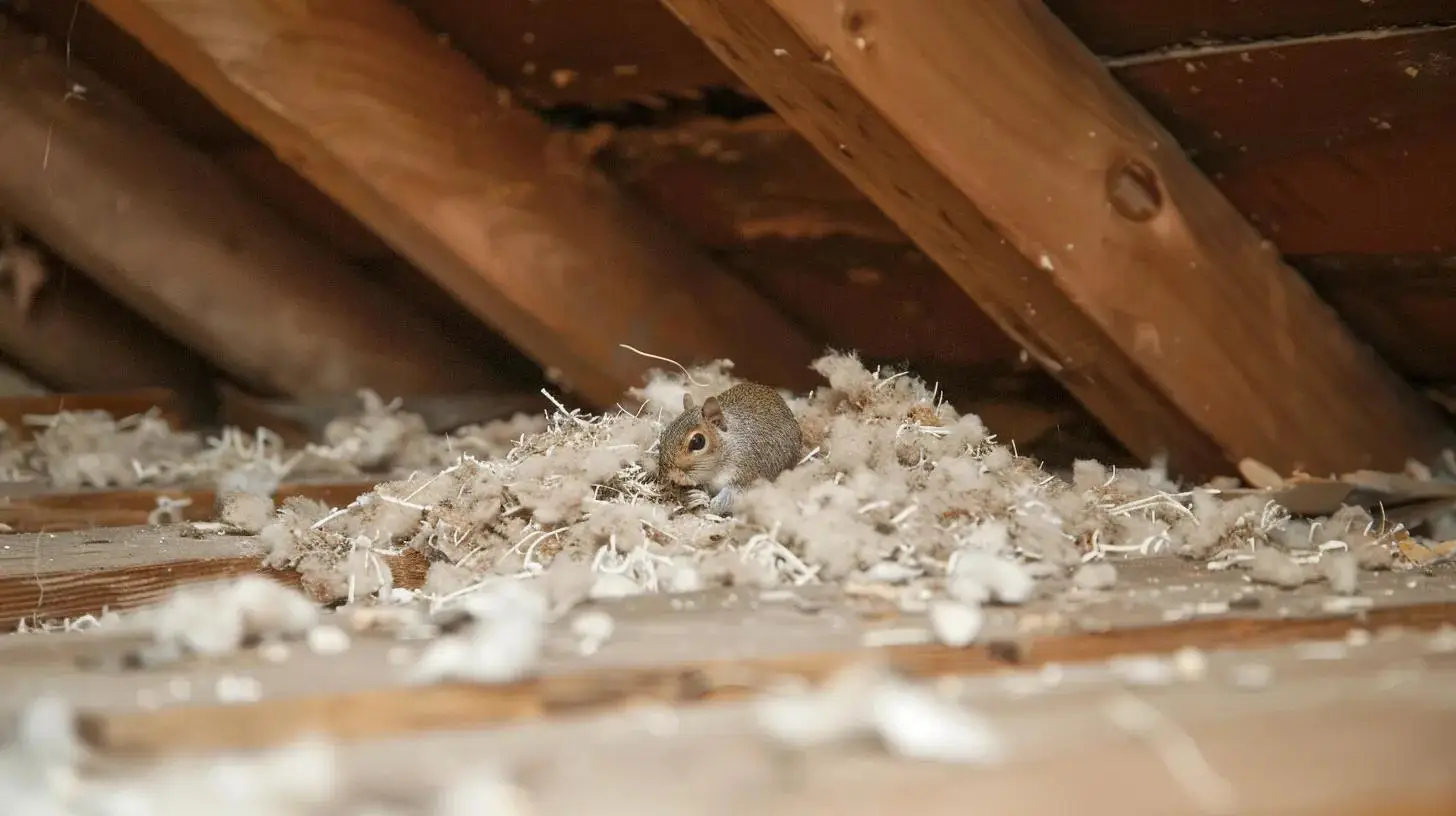
Use a combination of visual inspection and thermal imaging. Look for gaps, compression, stains, or sagging and use a thermal camera to spot cold or hot areas that indicate poor coverage. Review recent energy bills for patterns that point to insulation problems.
Which Insulation Materials Meet Pompano Beach Installation Standards?
Choose materials that resist moisture and retain R-value in humid climates. Common options include:
- Fiberglass Insulation : Affordable and widely used for attics and walls.
- Cellulose Insulation : Recycled, eco-friendly, and provides good thermal performance.
- Spray Foam Insulation : Expands to seal gaps and offer strong air sealing.
Select the material that fits the location, budget, and moisture control needs for your home.
What Are Common Insulation Installation Mistakes to Avoid?
Avoiding frequent errors prevents energy waste and pest entry. Common mistakes include:
- Skipping Air Sealing : Unsealed gaps let air and pests through.
- Improper Insulation Removal : Leaving old, damaged insulation reduces effectiveness. Consider professional insulation removal services for best results.
- Inadequate Ventilation : Poor ventilation traps moisture and can cause mold.
Addressing these issues during installation ensures longer-lasting performance.
How Do Gaps and Poor Coverage Affect Pest Entry and Home Safety?
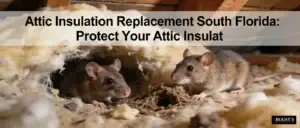
Gaps and incomplete coverage create shelter and access for rodents and insects and can increase infestation risk. Poor insulation also lowers comfort and raises utility costs. Sealing gaps improves both thermal performance and pest protection.
What Are the Signs of Moisture Damage Linked to Insulation Deficiencies?
Moisture often accompanies inadequate insulation. Watch for:
- Water Stains : Discoloration on walls, ceilings, or rafters.
- Mold Growth : Visible mold indicates persistent moisture.
- Discoloration : Stained or darkened insulation suggests dampness.
Early detection limits damage and lowers repair costs.
How Does Insulation Quality Impact Pest Risks in Pompano Beach Homes?
Well-installed insulation reduces gaps and air leaks, limiting pest access. Poor or damaged insulation creates warm, sheltered spots pests prefer. Prioritising proper installation and air sealing protects energy performance and household safety.
Which Local Pests Exploit Insulation Installation Flaws?
Several pests commonly exploit insulation flaws, including:
- Rodents : Mice and rats enter through gaps and nest in insulation. Learn more about roof rats and rodent control here.
- Termites : Can damage materials and the structure if moisture issues exist. For details, see subterranean termites and drywood termites information and termite control services.
- Moisture-loving insects : Damp insulation attracts insects that prefer moist environments, such as silverfish and fleas. Explore pest control options for fleas and other insects.
Knowing likely pests helps focus prevention and remediation efforts.
How Can Integrated Pest Inspection Identify Insulation-Related Vulnerabilities?
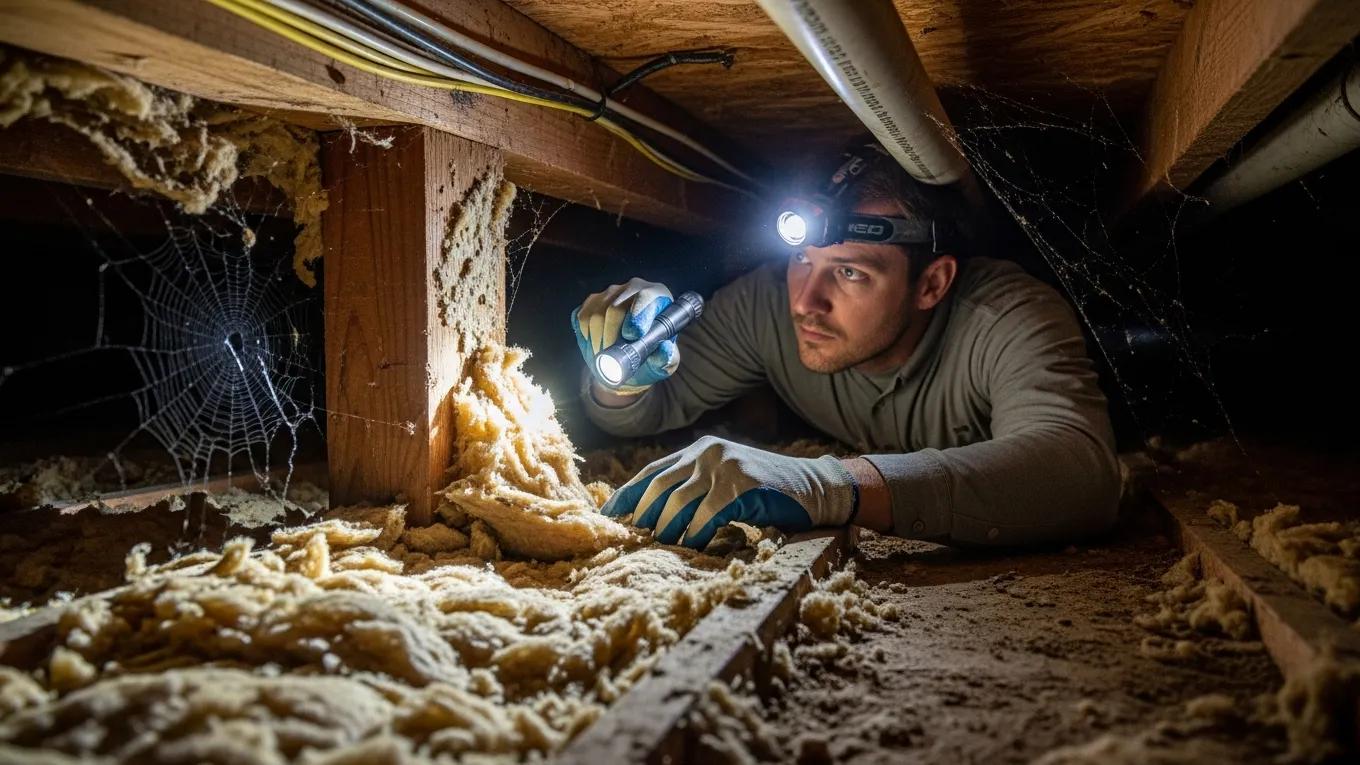
Integrated inspections check insulation condition, look for pest evidence, and measure moisture. A professional inspection highlights problem areas and offers repair or replacement recommendations to strengthen performance and reduce pest risk. For professional help, visit Bugsy contact page.
How Can Homeowners Perform an Effective Insulation Installation Inspection?
Follow these basic steps:
- Visual Inspection : Look for gaps, compression, sagging, stains, or pest signs.
- Thermal Imaging : Use a thermal camera to find cold spots or missing insulation.
- Energy Bill Monitoring : Track bills for unexplained spikes that may indicate problems.
What Is the Recommended Insulation Installation Inspection Checklist?
An effective checklist includes:
- Check for visible gaps and cracks
- Inspect insulation material for damage
- Monitor energy bills for fluctuations
Regular checks preserve insulation performance and efficiency.
When Should You Contact Bugsy for Professional Inspection and Pest Control?
Homeowners should consider contacting Bugsy for professional inspection and pest control when they notice:
- Signs of pest activity : Frequent sightings, droppings, or damage near insulated areas.
- Energy bill spikes : Unexplained increases in heating or cooling costs.
- Age of insulation : Insulation over 15 years old should be evaluated. Consider insulation replacement services if needed.
Bugsy specializes in pest management and can assess insulation-related vulnerabilities. If you suspect termites may be exploiting flaws, seek professional help promptly.
Frequently Asked Questions
What are the benefits of proper insulation installation?
Proper insulation improves energy efficiency, comfort, and lowers utility costs. It helps control humidity and reduces the risk of mold and pest activity, supporting a healthier, more durable home.
How often should insulation be inspected?
Inspect insulation at least once a year, ideally before peak heating or cooling seasons. Check sooner if you notice drafts, moisture, or sudden energy bill changes.
Can I install insulation myself, or should I hire a professional?
DIY may suit simple projects, but professionals ensure correct placement, air sealing, and moisture control for complex or hard-to-reach areas.
What should I do if I find mold in my insulation?
Address mold promptly by fixing the moisture source and replacing contaminated insulation. Hire a professional for safe remediation and prevention.
How does insulation affect indoor air quality?
Good insulation reduces air leaks and limits outdoor pollutants. Proper humidity and temperature control also lower allergen and mold risks, improving indoor air quality.
What are the signs that I need to replace my insulation?
Replace insulation if you see sagging, compression, stains, persistent drafts, uneven temperatures, or large energy bill increases. Older insulation (over 15 years) should be evaluated by a pro.
Conclusion
Proper insulation installation is central to energy efficiency and reducing pest risks. Recognize key indicators, avoid common installation mistakes, and inspect regularly. For a full assessment or suspected infestations, contact professionals for site-specific recommendations.