

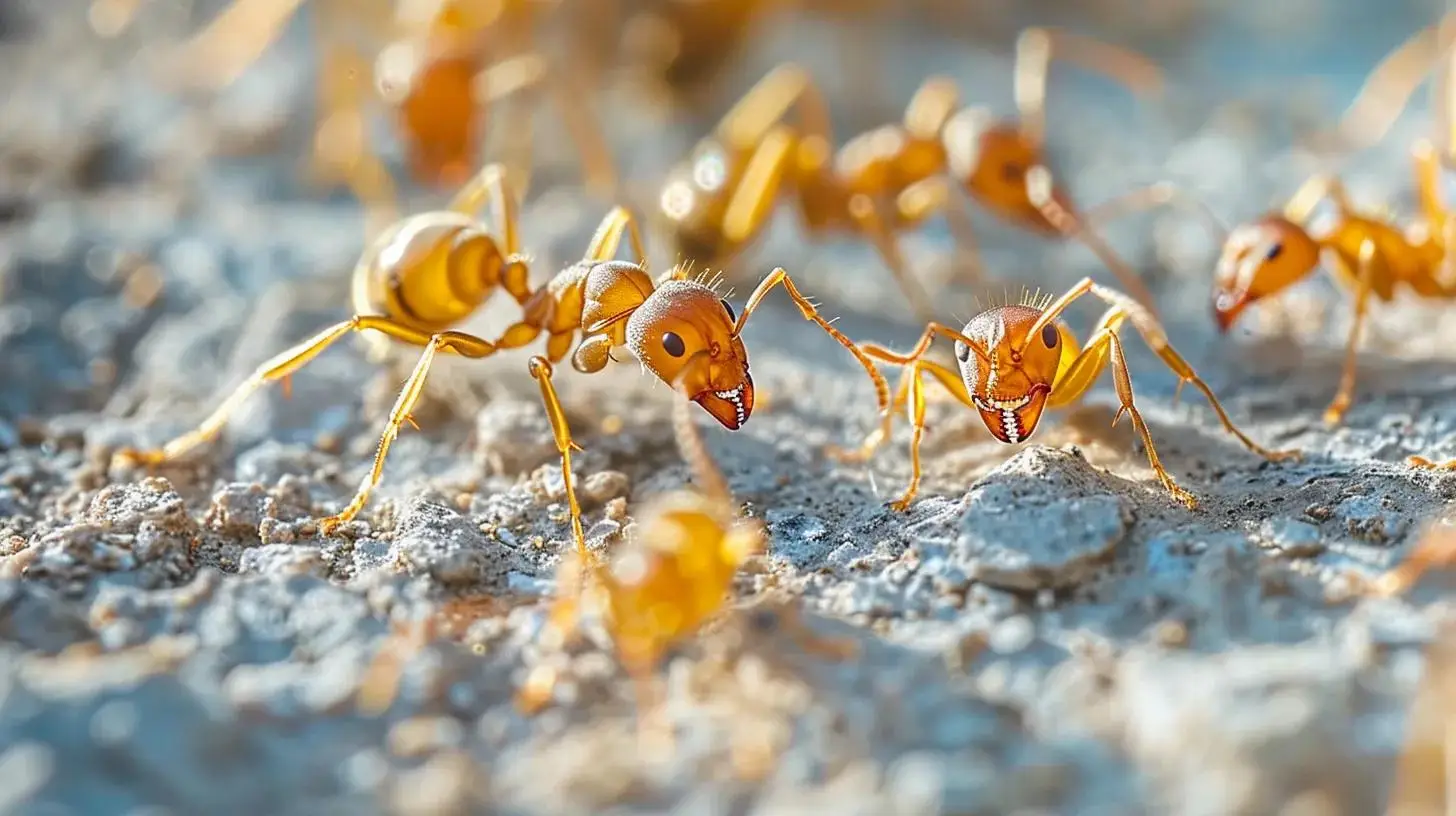
Ghost ants can rapidly escalate from a minor nuisance to a significant issue. This comprehensive local resource offers Cypress Quarters residents and property administrators straightforward, actionable strategies for identifying, mitigating, and safely eradicating these pests. Discover how to recognize ghost ants specific to this area, immediate measures to curb their proliferation, an overview of primary treatment methods and their mechanisms, typical expenses for expert services, and seasonal routines to deter future colony establishment. Our emphasis is on practical recommendations for Cypress Quarters property owners and managers – discerning when self-help is appropriate, when professional intervention is necessary, and how to safeguard occupants, animals, and outdoor spaces. Continue reading for detailed options, a comparative analysis of treatments, transparent pricing insights, and a seasonal prevention guide tailored for Cypress Quarters locations.
Understanding Ghost Ants: Their Nature and Impact in Cypress Quarters, FL
Ghost ants (Tapinoma melanocephalum) are minuscule, light-colored insects known for their swift movement, often remaining undetected until their population expands significantly. The warm, moist climate of Cypress Quarters provides an ideal environment for them, leading them to establish nests within wall cavities, behind baseboards, or outdoors beneath rocks, fallen wood, and container plants. These colonies frequently feature multiple queens and secondary nests, complicating eradication efforts. Their primary concerns stem from extensive foraging activities, which pose a risk of food contamination, and their rapid capacity for re-establishment. Consequently, an integrated ant management strategy—incorporating baits, precise treatments, and environmental modifications—is generally more effective than relying on a singular method. We will now detail how to identify ghost ants and indicators of an infestation, enabling you to select the most suitable strategy for your Cypress Quarters residence or business.
Recognizing Ghost Ants Prevalent in Cypress Quarters, FL
Begin your identification process by observing their coloration, dimensions, and typical movements, as these characteristics are crucial for determining appropriate treatment. Ghost ants are exceptionally tiny (approximately 1/16 inch), distinguished by their light, semi-transparent legs and abdomens contrasting with darker heads and thoraxes, giving them their characteristic ethereal appearance. They exhibit rapid movement, frequently forming disorganized trails. Inspect areas prone to food or moisture, such as baseboards, kitchen counters, and window sills, as they are particularly drawn to sugary substances. A rapid assessment involves noting ant sightings (kitchens and bathrooms are frequent hotspots), tracing their paths to potential entry points, and examining the perimeters of windows and doors. Charting these routes assists in evaluating the extent of the infestation and selecting potent eradication methods.
Assessing the Hazards and Annoyances Posed by Ghost Ants
Primarily, ghost ants present a sanitation concern and a general annoyance. They do not possess a sting or cause structural harm; however, their foraging activities can compromise food preparation surfaces and stored provisions. Their diminutive stature and propensity for establishing multiple nesting sites (both inside and outside) render them challenging to eradicate without a methodical strategy. In cases of extensive or recurring issues—particularly when ants consistently appear in culinary or sanitary spaces—a professional evaluation frequently offers the most expedient route to enduring solutions. Prompt intervention helps avert more significant infestations and minimizes the need for repeated treatments.
Effective Ghost Ant Eradication Strategies for Cypress Quarters, FL
Successfully eliminating ghost ants in Cypress Quarters is most effectively achieved through a dual-phase strategy: initial containment to diminish visible ant presence, followed by sustained colony management to eradicate the nests. The optimal approach involves integrating practical do-it-yourself measures with expert services, tailored to the intensity and persistence of the infestation.
For immediate action: locate and document active foraging paths, remove readily available food and water sources, and thoroughly clean impacted zones to eliminate anything that might draw them in.
For medium-term control: residents can deploy baits to disrupt the ants’ food-sharing process or utilize targeted sprays for rapid visible reduction. However, it’s important to note that the presence of multiple queens and secondary nests might necessitate recurring or integrated treatment approaches.
Should self-administered techniques prove insufficient—evidenced by continuous re-infestations, extensive ant trails, or ants appearing in critical areas—it’s advisable to engage a certified pest control expert. These specialists will conduct a thorough inspection, pinpoint entry points and foraging routes, implement a combination of baiting and precise treatments, and offer subsequent monitoring to enhance efficacy.
Consult this concise checklist to minimize risks and determine your subsequent course of action.
- Locate active trails: Observe and map areas where ants are most active, particularly in food preparation and sanitary spaces.
- Minimize allurements: Promptly clean up food spills, keep edibles in airtight containers, and repair any water leaks.
- Strategize specific treatments: Apply baits formulated for ghost ants along their established paths, or seek professional advice for a comprehensive management strategy.
Do-It-Yourself Ghost Ant Management Techniques and Household Solutions
Self-help methods typically involve the use of baits (designed to penetrate the colony) and contact sprays (for rapid visible eradication). Gel and liquid baits function by allowing worker ants to transport slow-acting toxic agents back to the queen and developing young; their efficacy is maximized when positioned along active foraging routes and applied according to product directions. Contact sprays offer immediate reduction of visible ants but frequently fail to address secondary nests unless supplemented with baiting or subsequent applications; moreover, they demand cautious use near individuals and domestic animals. Common household solutions such as soapy water or diatomaceous earth can provide temporary relief but seldom eliminate an entrenched colony, prompting many residents to seek expert assistance when initial efforts fall short.
Deciding When to Engage a Professional Ghost Ant Exterminator in Cypress Quarters, FL
It is advisable to contact a specialist when infestations are extensive, reappear following DIY attempts, or when ants are present in critical zones such as kitchens. A qualified professional will thoroughly examine your premises, identify access points and foraging routes, and formulate an integrated pest management (IPM) strategy that incorporates baits, precise contact treatments, and environmental adjustments for sustained control. Additional justifications for hiring an expert include managing large commercial properties, experiencing recurrent re-infestations originating from satellite nests, or a personal preference to avoid handling pest control chemicals. Professionals also provide ongoing surveillance and offer warranty or service agreements—which are particularly beneficial for commercial or leased properties requiring verifiable pest management.
For those seeking an expert assessment, Bugsy’s Pest Solutions offers complimentary on-site evaluations and inspections to determine the extent of the problem and propose a customized treatment regimen. Their regional expertise ensures that baits, specific treatments, and follow-up schedules are optimally aligned with your property’s needs. By requesting a free quote, you receive a commitment-free appraisal and an estimated timeframe for anticipated outcomes, aiding your decision between self-management and engaging a certified service. Professional intervention addresses shortcomings in DIY attempts and synchronizes treatments to mitigate the likelihood of recurring infestations.
Exploring the Premier Ghost Ant Treatment Options
The leading treatment approaches can be categorized into three main types: insecticidal baits, precise contact sprays, and environmentally friendly or low-risk alternatives. Each category operates with a unique mechanism, varying speed of action, and distinct safety considerations. Baits leverage the ants’ foraging and food-sharing behaviors (trophallaxis), allowing slow-acting agents to be transported to the queens and developing ants—these methods diminish colonies over several days to weeks and are excellent for widespread management. Contact insecticides provide immediate mortality upon direct exposure, offering rapid relief, but may not affect multiple queens or secondary nests without subsequent applications. Natural treatments, derived from botanical or biological sources, reduce ant populations with a reduced ecological impact but typically work slower and might require repeated use. Optimal results are achieved by integrating these choices within an Integrated Pest Management (IPM) strategy that harmonizes swift action, safety, and enduring effectiveness.
A breakdown of baits, insecticides, and natural remedies:
- Baits: Most effective for comprehensive colony eradication when deployed during periods of active foraging; designed to be slow-acting to ensure the active ingredient reaches the queen.
- Contact insecticides: Provide rapid elimination of visible ants; beneficial for urgent localized issues but usually necessitate subsequent applications.
- Natural/reduced-risk alternatives: Offer a smaller ecological footprint; suitable for delicate environments or ongoing upkeep, though generally slower in action.
Each of these treatment classifications addresses distinct requirements—baits are ideal for perimeter defense and extensive population control, contact applications are for immediate visible reduction, and natural choices are for continuous upkeep or delicate outdoor settings—thereby assisting you in determining if professional services are warranted.
The importance of safety and subsequent monitoring cannot be overstated: Bugsy’s Pest Solutions emphasizes precise application, comprehensive strategies that combine baits with specific contact treatments, and follow-up examinations to verify colony elimination. They provide complimentary on-site inspections, allowing property owners to ascertain which combination of techniques best suits their premises and family safety requirements. When selecting a service provider, opt for certified applicators who customize active ingredients and application schedules to align with Cypress Quarters’ seasonal ant behaviors, ensuring an optimal blend of rapid action and sustained effectiveness. Arranging a professional inspection aids in customizing treatments for your location and diminishes the probability of recurrent infestations.
| Treatment Type | Mechanism of Action | Optimal Application & Efficacy Timeline | Safety Considerations |
|---|---|---|---|
| Gel/liquid baits | Slow-acting poison transported to the queen | Extensive colony management; takes days to weeks | Minimal direct exposure if label instructions are followed; strategic placement indoors/outdoors advised |
| Targeted contact insecticides (sprays) | Instantaneous kill upon contact | Rapid elimination of visible ants; provides immediate alleviation | Elevated exposure potential; adhere to personal protective equipment (PPE) and label guidelines |
| Natural/biopesticide alternatives | Suppression via botanical or biological agents | Suitable for delicate environments or routine upkeep; results are typically slower | Reduced impact on non-target organisms; might necessitate repeated applications |
Cost of Ghost Ant Treatment Services in Cypress Quarters, FL
The expense for ghost ant treatment is contingent upon the method employed, the intensity of the infestation, the dimensions of the property, and the inclusion of monitoring or a service guarantee. Charges can be structured per visit or as a recurring subscription. Key determinants include the scope of the infestation (e.g., extensive foraging or numerous secondary nests), the intricacy of the property (e.g., accessibility and interior/exterior zones), the selected strategy (e.g., baits alone versus a combination of baiting and sprays), and whether a warranty or regular follow-up visits are desired. Typical pricing structures encompass fixed-rate residential services and bespoke commercial agreements for larger or more sensitive locations. Illustrative estimates provide a general range, but a direct on-site assessment yields the most precise quotation. Understanding these elements empowers you to select the most economical solution with a focus on sustained control.
Elements Affecting Ghost Ant Treatment Expenses
Numerous variables impact the ultimate cost: property readiness, ease of access, the concentration of the infestation, and the necessity for subsequent visits. Intricate interior layouts, numerous entry points, or extensive foraging activity elevate labor requirements and overall expense, whereas larger properties demand greater product volume and time. The severity of the infestation dictates whether a singular bait application will suffice or if multiple precise treatments and visits are required. Plans backed by warranties and recurring treatments increase initial expenditures but can significantly mitigate the long-term risk of re-infestation. Undertaking property preparation (such as cleaning and sealing minor crevices) can decrease technician time and potentially reduce the quoted price, which explains why service providers inquire about specific details prior to providing an estimate.
| Service Category | Primary Cost Factor | Approximate Price Range / Details |
|---|---|---|
| First treatment | Property dimensions, infestation scope, product blend | Generally a fixed charge for internal/external bait application combined with targeted sprays |
| Ongoing/upkeep programs | Service regularity, guarantee provisions | Monthly or quarterly packages structured to cover follow-up visits and necessary re-treatments |
Calculating Expenses for Expert Ghost Ant Eradication
The following illustrative situations demonstrate how various pricing components coalesce and the specific information service providers require for a precise, no-cost quotation.
Scenario 1: A modest property experiencing confined ghost ant presence could be effectively managed with baits and a few targeted spray applications—anticipate a reasonable single charge with the option for subsequent visits.
Scenario 2: An expansive residential estate with extensive foraging activity typically necessitates thorough baiting, precise spray treatments, and a minimum of one follow-up appointment—this increases costs, yet ensures more prolonged control.
Scenario 3: Commercial establishments or delicate locations frequently demand a bespoke service agreement that includes consistent monitoring and warranty provisions—resulting in greater upfront and ongoing expenses but providing verifiable protection.
To obtain a precise quotation, provide details regarding your property’s dimensions, the observed level of ant activity, any prior treatment history, and specific notes concerning access or sensitive zones; numerous service providers—such as Bugsy’s Pest Solutions—furnish complimentary on-site estimates based on this information. Soliciting a free estimate assists in aligning proposed solutions with your property’s unique characteristics and financial plan.
Strategies for Preventing Future Ghost Ant Invasions in Cypress Quarters, FL
To deter ghost ants, it’s essential to render your property less appealing to them: prioritize cleanliness, exclusion techniques, and consistent surveillance synchronized with Cypress Quarters’ peak activity periods. Crucial actions involve eliminating food and moisture sources, sealing potential entry points, and minimizing clutter both inside and outside your premises. Implementing seasonal preventive baiting, or combining diligent homeowner maintenance with expert monitoring, significantly reduces the likelihood of re-infestation and facilitates the early detection of nascent satellite colonies. The subsequent checklist outlines a straightforward schedule for these tasks and their anticipated advantages.
Maintenance advice for discouraging ghost ants:
- Secure access points: Apply caulk to cracks, seal openings around plumbing, and mend screens to obstruct entry.
- Control food and moisture: Keep edibles in sealed containers, promptly clean up any spills, and rectify leaks.
- Declutter spaces: Maintain neatness in both interior and exterior zones to eliminate prospective nesting locations.
| Activity | Interval | Anticipated Advantage |
|---|---|---|
| Sealing access points | Yearly or as required | Obstructs indoor entry and nesting |
| Hygiene and humidity management | Consistently | Eliminates sources of food and water |
| Proactive baiting or examination | Seasonally (spring/autumn) | Early eradication of new colonies prior to their growth |
Continuous Surveillance and Management Approaches
Maintain a straightforward surveillance regimen—comprising monthly visual inspections and seasonal bait applications—to detect emerging colonies before they proliferate. Should foraging activity become extensive once more, escalate to professional monitoring. During your monthly assessments, observe for fresh trails, surges in activity, or alterations following cleaning or repairs; such indicators can prompt specific baiting or treatment interventions. Proactive measures are particularly beneficial during spring and autumn in Cypress Quarters when ants are most active, and expert follow-up can encompass warranty-supported re-treatments and documentation to monitor re-infestation patterns. For those who favor a less involved method, service agreements that combine scheduled inspections with preventive baiting offer consistent population control and reassurance.
- Consistent examinations: Visual checks conducted monthly enable early detection of new activity.
- Seasonal proactive baiting: Bait applications in spring and autumn disrupt the colony’s reproductive cycles.
- Expert surveillance: Service agreements feature scheduled appointments and guaranteed re-treatments.
Combined with the upkeep checklist, these measures establish a multi-faceted prevention strategy that diminishes the likelihood of recurrent ghost ant issues and contributes to cleaner, more comfortable properties.
Common Inquiries
How do I recognize a ghost ant invasion?
Observe for minuscule, light-colored ants featuring darker heads and thoraxes, exhibiting rapid and unpredictable movements, frequently forming scattered trails across kitchen counters, baseboards, or window ledges. Increased presence in culinary areas, bathrooms, or other zones with food and moisture strongly indicates an infestation requiring prompt action.
What are safe methods for dealing with ghost ants?
While ghost ants do not sting or bite, they pose a risk of food contamination. Refrain from crushing them, as this action can release pheromones that attract additional ants. Instead, vacuum up any visible ants and cleanse surfaces using soap and water. Concentrate on locating their entry points and foraging paths to ensure baits are positioned for maximum effectiveness.
Are natural solutions available for ghost ant management?
Certain organic alternatives can help decrease ant populations, but they generally require consistent application and might not eradicate entrenched colonies. Diatomaceous earth, applied in cracks and crevices, can dehydrate ants, while soapy water can disorient them upon direct contact. These approaches are most effective for temporary relief or when used in conjunction with expert treatments, given that ghost ants frequently establish multiple nests.
When is the optimal period for ghost ant treatment?
Ghost ants remain active throughout the year in Cypress Quarters, though their presence often becomes more apparent during warmer, humid periods or when external food and water sources diminish, prompting them to seek shelter indoors. Treatments are effective whenever ants are actively foraging, but consistent surveillance and prompt bait application are crucial due to their tenacious nature.
Do ghost ants pose a threat of property damage?
Ghost ants do not inflict structural harm. Their primary effect is as an annoyance and a potential source of contamination when they search for food in sensitive areas. Although they do not directly threaten structural integrity, their appearance indicates deficiencies in sanitation and warrants immediate treatment to preserve a hygienic setting.
Selecting the appropriate ghost ant treatment approach: How do I decide?
Your selection should be guided by the scale of the infestation, the nature of your property, and the ants’ tenacity. Confined activity might be managed with self-applied baits or specific sprays; however, extensive or persistent issues typically necessitate expert, comprehensive strategies. Factor in the presence of pets, children, and your personal comfort level with pest control chemicals—effective ghost ant management frequently demands continuous baiting.
What steps should I take if my ghost ant treatment proves ineffective?
Should your treatment efforts prove unsuccessful, verify that you applied a product specifically designed for ghost ants correctly and positioned baits along active foraging paths. The presence of numerous satellite nests frequently complicates complete eradication. For extensive or stubborn problems, it is advisable to seek professional advice for a thorough inspection and a customized treatment strategy to enhance outcomes.