

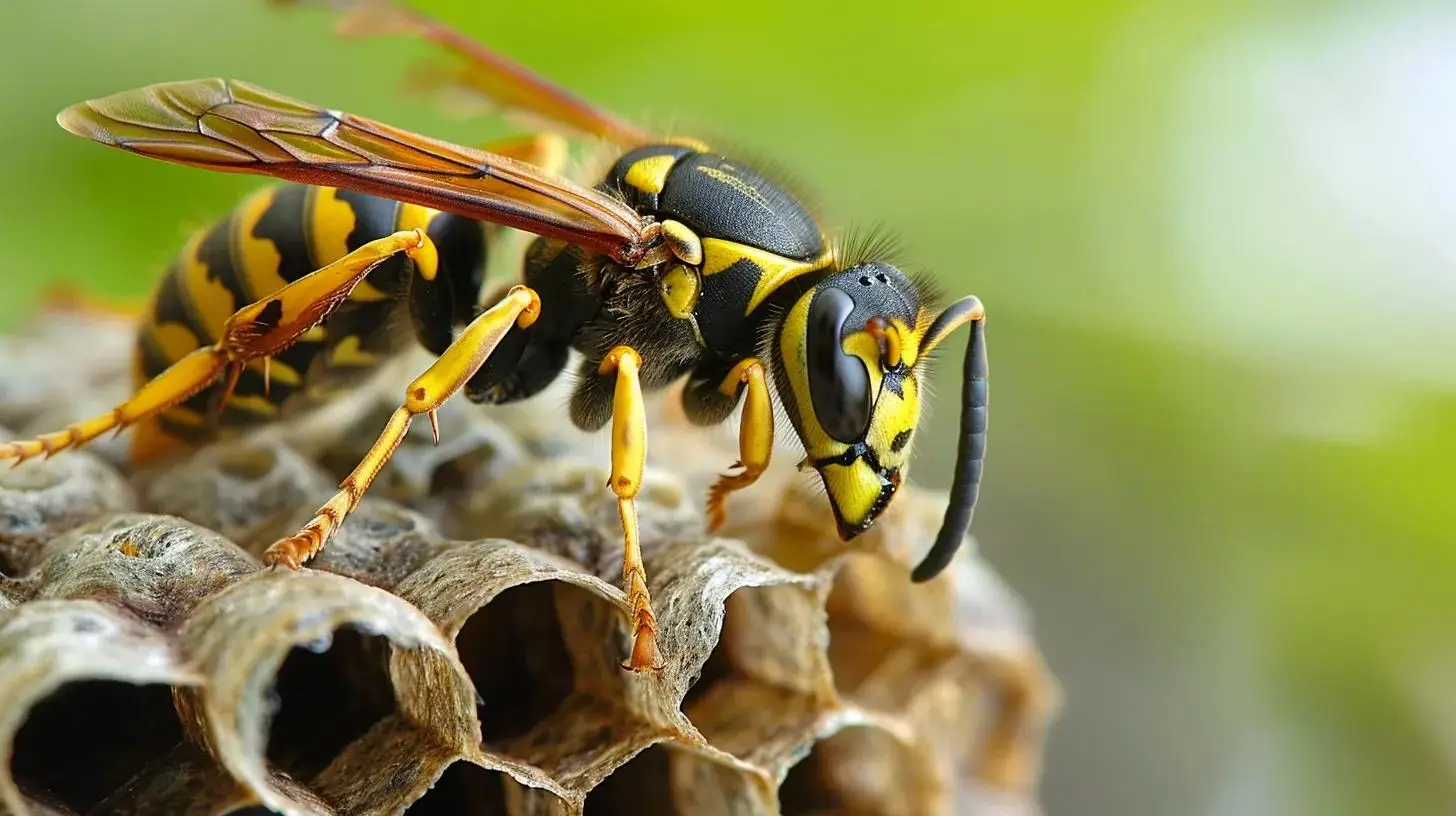
Holiday parties and backyard celebrations should be about friends, family, and good times—not worrying about stings. In Boca Raton, mild weather keeps wasps and bees active much of the year, increasing the chance of unwanted encounters. This guide explains why stinging insects are a holiday safety concern, how to spot the common local species, the hazards of DIY removal, and the clear advantages professional pest control brings to safer gatherings. You’ll get practical ID tips for yellow jackets, paper wasps, honeybees, and carpenter bees, plus straightforward signs that mean it’s time to call a pro before guests arrive. We’ll also compare humane relocation and eco-friendly options, outline inspection and treatment best practices, and show how a local, veteran-owned company can help protect guests, kids, and pets. Read on for checklists, quick comparisons, and step-by-step guidance to keep your Boca Raton holiday events sting-free.
Why Are Wasps and Bees a Holiday Safety Concern in Boca Raton?
In Boca Raton, warm winters and year-round flowering make wasps and bees active for longer, which raises the chance of human–insect interactions during outdoor gatherings. The cause is straightforward: lights, open dishes, and dessert stations create scent and sugar cues that draw foraging insects into entertaining areas, and nearby nests can be disturbed by extra foot traffic. The biggest safety win is prevention—spotting attractants and removing nests before an event cuts down on stings and liability. Knowing how climate and behavior link together helps hosts take the right proactive steps.
How Does Boca Raton’s Climate Affect Year-Round Wasp and Bee Activity?
Boca Raton’s subtropical climate keeps winter lows mild and extends flowering seasons, which lengthens foraging windows and encourages continuous brood rearing for many stinging insects. Colonies rarely go truly dormant, so populations can stay moderate to high even during holiday months when hosts might expect fewer bugs. Local extension guidance shows that late-season ornamentals and fruiting plants provide nectar and pollen that keep workers active—and those workers often end up near homes. Because climate-driven activity raises risk, treat Boca Raton events as higher risk for stinging insects and plan inspections accordingly.
What Risks Do Outdoor Holiday Gatherings Face from Stinging Insects?
Outdoor events face several risks from wasps and bees that affect guests, children, pets, and property—and those risks get worse when hosts are unprepared. First, uncovered food and drinks attract foraging workers that may investigate plates or cups near people, increasing defensive stings. Second, nests tucked in eaves, shrubs, ground cavities, or under furniture can be accidentally disturbed by chairs, decorations, or lawn games, triggering aggressive swarms. Third, allergic reactions or anaphylaxis present an acute medical danger for sensitive individuals and can turn a celebration into an emergency. These risks point to simple, effective steps—site inspection, covering food, and clear seating plans—that should be done before guests arrive.
- Inspect entertaining areas for insect traffic and visible nests before guests come.
- Cover food and drinks, clean up sweet spills promptly, and skip strong perfumes or scented lotions that attract insects.
- Keep children and pets away from suspected nesting areas and arrange seating to reduce accidental disturbance.
A short prevention checklist like the one above makes planning safer and naturally leads into species identification tips so hosts know what to look for.
What Are the Common Wasp and Bee Species in Boca Raton?
Knowing the species common to Boca Raton helps you prioritize the right response: some insects can be relocated, others need full nest removal, and behavior determines urgency. Common local species include yellow jackets, paper wasps, hornets, honeybees, and carpenter bees—each with distinct visual and nesting cues that shape treatment choices and safety steps. Accurate ID reduces the chance of killing pollinators unnecessarily or using ineffective DIY tactics, and it points homeowners to the correct professional approach. The table below summarizes ID clues, typical nest locations, risk level, and treatment notes to help evaluate urgency.
Use this quick table to read species differences and know when to act.
| Species | Identification Clues | Typical Nest Locations | Risk Level | Professional Treatment Notes |
|---|---|---|---|---|
| Yellow jackets | Black and yellow banding; fast, darting flight | Underground, wall voids, gutters | High (often aggressive) | Find entrance, targeted nest removal and perimeter treatment |
| Paper wasps | Slender bodies; umbrella-shaped paper nests | Eaves, porches, shrubs | Moderate (defensive around nests) | Remove nest during low activity; treat attachment points |
| Honeybees | Fuzzy, golden-brown bodies; clustered comb | Wall voids, hollow trees, attics | Variable (beneficial pollinators) | Prefer relocation or humane removal when feasible |
| Carpenter bees | Large, robust with a shiny abdomen | Drilled holes in exposed wood | Structural risk (solitary) | Repair wood and use dust or targeted treatment to prevent re-entry |
This table makes it easier to see which species pose immediate danger and which might be handled with humane relocation, guiding your next actions.
How to Identify Yellow Jackets, Paper Wasps, Honeybees, and Carpenter Bees?
Practical ID helps you decide whether to leave insects alone, follow prevention steps, or call a professional. Yellow jackets are often the most aggressive around food; they fly quickly and are loud near trash or picnic areas. Paper wasps build single-layer, umbrella-style nests under eaves or in shrubs and become defensive if their nest is disturbed. Honeybees look fuzzier and forage calmly—if you see a clustered mass or comb, relocation may be possible. Carpenter bees leave round entrance holes in wood and small piles of sawdust; fixing the wood and targeted treatment prevent long-term damage.
What Are the Behaviors and Nesting Habits of These Stinging Insects?
Knowing nesting habits clarifies exposure pathways and the best timing for treatment, since ground nests, aerial colonies, and wood-boring behaviors all require different approaches. Ground-nesting yellow jackets hide entrances in lawns and under mulch, raising accidental disturbance risk during yard work. Aerial paper wasps and hornets place nests in protected eaves or shrub branches where people often pass. Honeybee swarms may cluster briefly on branches before moving to a permanent site—offering relocation windows—while carpenter bees bore into structural wood and cause cumulative damage over time. Spotting these behaviors helps you decide whether immediate removal is needed or if inspection and humane options are possible.
Why Is DIY Wasp and Bee Removal Risky During the Holidays?
DIY removal during holidays increases the chance of mistakes that escalate danger for hosts and guests. Inexperienced attempts commonly provoke swarming, miss queens, or rely on unsafe chemicals. Disturbing a nest without proper protective gear and a species-specific plan can trigger mass defensive behavior and multiple stings. Misidentifying honeybees as aggressive wasps can also lead to unnecessary killing of pollinators and missed relocation opportunities. For busy holiday periods, professional inspection and targeted action are usually the safer choice.
What Are the Dangers of Attempting Wasp and Bee Removal Yourself?
DIY removal brings immediate physical risks and longer-term problems that are especially hazardous during events. First, people can be stung many times, and stings near the face or neck raise the chance of severe reactions and airway compromise. Second, improperly applied insecticides or flammable sprays can harm family members, pets, and plants—and may not reach queens, causing quick re-infestation. Third, falls and injuries happen when homeowners try to reach high eaves or ground nests at night without training or adequate lighting. These dangers make professional inspection and removal a safer, more permanent solution.
- DIY attempts can provoke aggressive swarming when nests are disturbed.
- Misapplied insecticides risk exposing children and pets while failing to eliminate colony founders.
- High or hard-to-reach nests increase fall and injury risk during unsupervised removal attempts.
Simple prevention: don’t attempt night-time, solo removals—secure the area and call trained professionals who use proper PPE and methods.
How Can Allergic Reactions and Incomplete Removal Impact Holiday Safety?
Allergic reactions range from localized swelling to life-threatening anaphylaxis, and incomplete removal raises the chance of repeat stings that can derail multiple events. Be ready to recognize rapid-onset symptoms like difficulty breathing, hives, dizziness, or swelling of the face and throat—and seek emergency care immediately if they appear. Leaving a queen or brood behind lets colonies rebound fast, often in the same areas you planned to use for celebrations, creating ongoing liability. Because of these health and recurrence risks, a proactive professional assessment and proven eradication or humane relocation reduce both immediate and future holiday safety concerns.
What Are the Benefits of Professional Wasp and Bee Pest Control in Boca Raton?
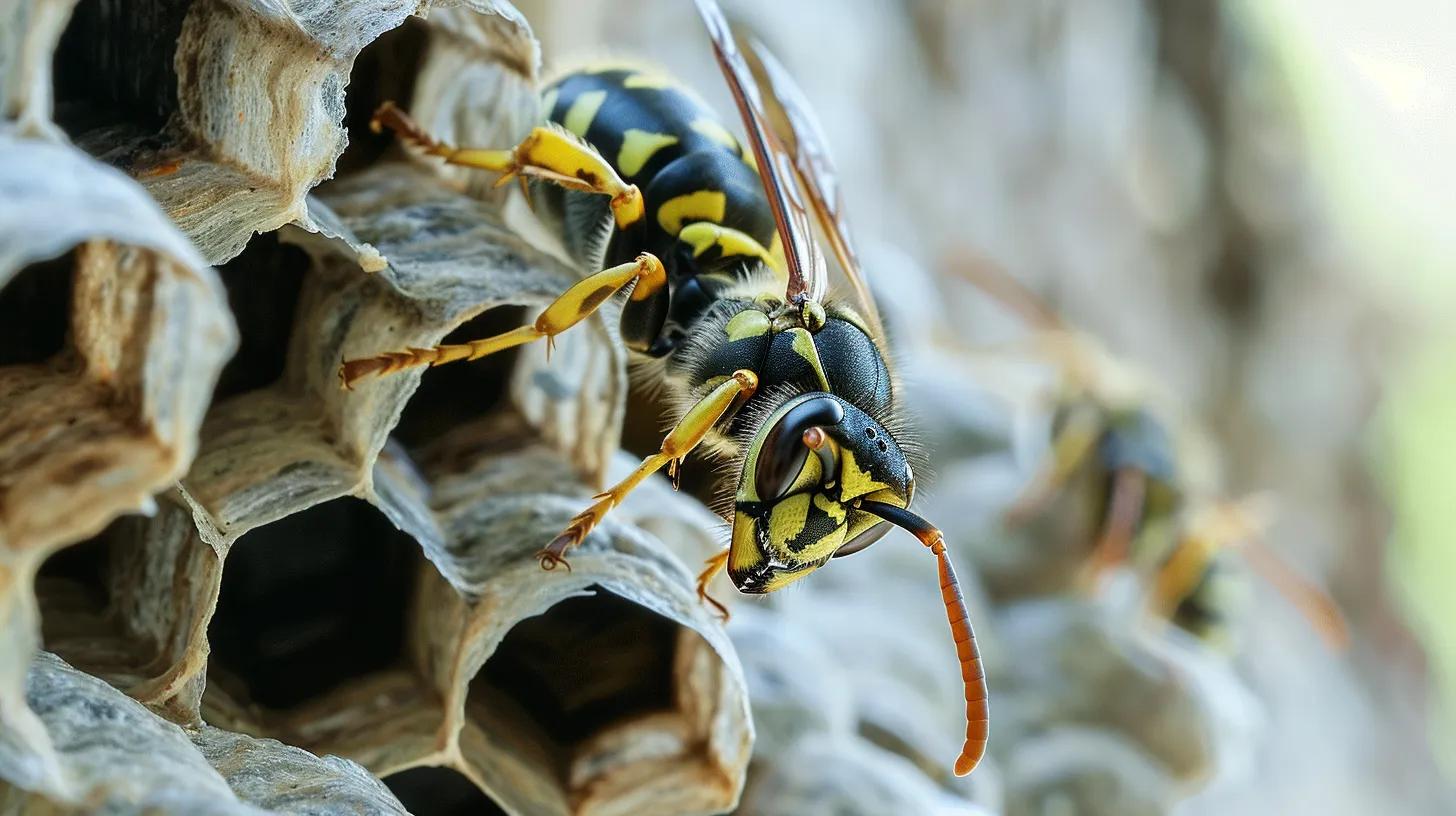
Professional wasp and bee pest control provides accurate species identification, targeted treatments that protect family and pets, and long-term prevention plans that cut event disruptions and liability. Experts pair thorough inspection with species-specific tactics and safety protocols—PPE, containment, and clear homeowner communication—to remove nests effectively while minimizing non-target impacts. When possible, humane honeybee relocation and eco-friendly product options preserve pollinators and follow a science-backed, safety-first approach. The table below links professional service attributes to homeowner outcomes you’ll notice during holiday planning.
How professional service features translate into homeowner value.
| Service Benefit | What It Prevents or Delivers | Concrete Homeowner Outcome |
|---|---|---|
| Accurate species ID | Avoids unnecessary extermination | Protects pollinators and ensures the right treatment |
| Targeted removal | Eliminates colony founders | Fewer return infestations and safer events |
| Humane relocation options | Preserves honeybee populations | Maintains local pollination and community goodwill |
| Warranty and follow-up | Verifies effectiveness | Peace of mind for holiday hosts |
This mapping shows how professional services translate into safety, prevention, and environmental stewardship for Boca Raton homeowners.
How Do Experts Identify and Treat Wasp and Bee Infestations Safely?
Pros use a step-by-step inspection to ID species, locate nests, and assess risk before recommending treatment. They combine visual cues, activity mapping, and structural checks to pick the right method. Ground-nest yellow jackets often need perimeter treatments and nest injections; paper wasps are usually removed during low-activity times with targeted dust or liquids; honeybee situations get evaluated for relocation. Safety protocols—PPE, containment, and homeowner staging instructions—keep people and pets safe. Documentation and scheduled rechecks confirm success and reduce the chance of holiday disruptions from returning colonies.
What Eco-Friendly and Humane Options Are Available for Bee Removal?
Humane removal favors relocating honeybee colonies when possible—capturing swarms or extracting intact comb for certified beekeepers or sanctuaries instead of broad extermination. Eco-friendly options include minimally toxic products, spot treatments, and structural repairs to prevent carpenter bee damage, avoiding broad-spectrum pesticides that harm beneficial insects. When public safety requires eradication—such as aggressive non-honeybee species near high-traffic areas—professionals choose targeted, child- and pet-safe formulations and follow containment protocols. Balancing community safety with pollinator conservation is a standard practice among science-backed, safety-first providers.
Before picking a local provider, consider how these professional benefits reduce emergency incidents at holiday events and help preserve neighborhood biodiversity.
How Does Bugsy’s Pest Solutions Ensure Holiday Safety with Wasp and Bee Control?
Bugsy’s Pest Solutions is a local, veteran-owned, family-operated company that focuses on science-backed methods, eco-friendly options, and guaranteed results to protect holiday gatherings across Palm Beach, Broward, and Saint Lucie counties, including Boca Raton. Our approach prioritizes inspection-led decisions, humane relocation when appropriate for honeybees, and targeted treatments for aggressive wasps—always with a safety-first mindset that minimizes exposure to people and pets. Certifications and experience shape custom treatment plans and follow-up inspections to ensure nests are eliminated and prevention measures are in place. If you need help, Bugsy’s offers free estimates and scheduling guidance so you can book service before events.
What Is Bugsy’s 3-Step Process for Effective Wasp and Bee Control?
Our 3-step process begins with a thorough inspection and species identification to determine risk and viable options; this step pinpoints nest entrances and whether relocation or removal is best. Step two is a customized treatment or relocation carried out with safety protocols, PPE, and eco-friendly or humane options when possible—this delivers effective results with minimal environmental impact. Step three focuses on prevention and follow-up: technicians implement exclusion measures, recommend structural repairs for carpenter bee issues, and provide guaranteed follow-up visits to confirm nest elimination. This structured approach shortens the timeline to safe gatherings and gives hosts clear, documented outcomes.
How Does Being Veteran-Owned Enhance Trust and Safety for Customers?
Being veteran-owned and family-run gives Bugsy’s operational strengths rooted in discipline, accountability, and community service—qualities that show up as punctual, respectful, and safety-focused interactions at customer properties. Those values drive consistent procedures, careful documentation, and clear communication—important when you need time-sensitive holiday service. Our local commitment also means technicians understand regional pest behavior and seasonal patterns across Palm Beach, Broward, and Saint Lucie counties. That trust signal helps hosts choose a provider likely to deliver reliable, guaranteed results when holiday safety matters most.
When Should You Contact Professionals for Wasp and Bee Pest Control During Holidays?
Call professionals right away when nests are close to entertaining areas or when there are multiple stings, aggressive swarming, or known allergic individuals—timing matters to prevent emergencies and event cancellations. For less urgent but time-sensitive issues—like increased activity around eaves, grills, or outdoor lights—schedule an inspection several days before your event so technicians can plan and act safely. The checklist below gives clear “call if” triggers to help hosts make fast decisions during holiday planning.
Immediate checklist: clear triggers for contacting a professional.
- Call if you see multiple nests or swarming near patios, dining areas, or playgrounds.
- Call if anyone in your household or guest list has a documented insect allergy or a history of severe reactions.
- Call if you notice persistent insect traffic near grills, trash, or seating areas despite basic prevention.
This checklist gives a simple rubric; spotting these signs leads into specific infestation indicators technicians will check during an assessment.
What Are the Signs of Wasp and Bee Infestations to Watch For?
Look for frequent insect traffic near garbage, grills, and lights; visible nest structures on eaves or in the ground; unexplained new sting incidents; and structural signs like drilled holes or sawdust from carpenter bees. Other red flags include buzzing inside wall voids, clusters near attic vents, or sudden swarms on branches. Photograph the activity from a safe distance and note time-of-day patterns to help technicians during scheduling and remote triage. Early recognition reduces treatment complexity and cost and increases the chance of a safe, timely resolution.
How to Schedule a Free Estimate with Bugsy’s Pest Solutions?
To schedule a free estimate, contact Bugsy’s Pest Solutions through our website form, by phone, or via our Google Business Profile to request service, describe the issue, and set an inspection time. Expect technicians to ask about the location, visible signs, and urgency. During the estimate, a trained technician will do a visual inspection, identify species and nest locations, discuss humane or treatment options, and recommend a customized plan with follow-up scheduling if needed. The process is transparent and safety-first, with clear timelines and guarantees. Hosts who request a free estimate or book service ahead of events get the advantage of confirmed treatments and lower holiday risk.
- Before the estimate, note insect behavior, nest locations, and event dates so technicians can prioritize scheduling.
- Expect a clear recommendation and a follow-up plan that fits your holiday timeline.
- Use the documented inspection findings to guide preventive steps between the estimate and treatment.
This final checklist helps hosts move from recognition to action and ensures professional services align with holiday safety needs.
Frequently Asked Questions
What preventive measures can I take to minimize wasp and bee encounters during holiday gatherings?
Start by checking the area for visible nests and insect activity before guests arrive. Keep food and drinks covered, clean up spills quickly, and remove sweet residues. Avoid strong perfumes or scented lotions that attract stinging insects, and arrange seating away from potential nesting sites. These simple steps reduce encounters and make your event more comfortable for everyone.
How can I tell if a wasp or bee is aggressive?
Watch flight patterns and behavior near food. Yellow jackets are often the most aggressive, darting quickly and focusing on food sources. Paper wasps will defend nests if disturbed. Honeybees usually forage calmly but can swarm if threatened. If insects hover persistently around guests or food, keep a safe distance and consider calling a pro.
What should I do if someone gets stung during a holiday event?
If someone is stung, remove any stinger if present, clean the area with soap and water, and apply a cold pack to reduce swelling and pain. Watch for signs of an allergic reaction—difficulty breathing, swelling of the face or throat, hives, or dizziness—and seek emergency care immediately if those symptoms appear.
Are there specific times of day when wasps and bees are more active?
Yes. Wasps and bees are generally most active on warm, sunny days—often peaking in the late afternoon. Early morning and late evening are usually quieter times. Scheduling outdoor events during cooler parts of the day can help lower the chance of encounters.
What are the signs that I need to call a professional pest control service?
Call a professional if you find multiple nests near gathering spots, observe aggressive swarming behavior, or have household members with known insect allergies. Also call if you see persistent activity around food or seating areas despite taking basic prevention steps.
How can I ensure that the pest control service I choose is environmentally friendly?
Ask potential providers about humane relocation options for honeybees and whether they offer eco-friendly products or spot treatments. A reputable company will explain their methods, safety protocols, and any certifications that show a commitment to sustainable pest management. Choose a service that balances public safety with pollinator conservation.