

Finding ants in a South Florida kitchen often triggers a quick DIY fix, but the smartest choice depends on species, colony structure, and our local climate. This guide walks through common home remedies, explains why many household treatments only buy time, and shows when professional help is the better long-term option. You’ll learn how ant behavior — from queen survival to pheromone trails — undermines surface treatments, plus practical safety tips for homes with kids and pets. We list the ant species you’re most likely to see here, compare DIY costs to professional programs in Boca Raton, and explain how targeted, science-based plans cut down repeat problems. At the end we outline when to call an exterminator and what to expect from pros who use EPA-approved, family- and pet-safe methods, offer free estimates, and guarantee re-treats. If you’re weighing affordable ant removal options or hunting for a reliable ant exterminator in Boca Raton, this local guide gives the decision checklist you need.
Which DIY Ant Control Methods Are Most Common — and Why People Try Them
DIY ant control includes a mix of household tricks and store-bought products that promise fast relief from visible ants. Homeowners favor these fixes because they’re inexpensive, easy to find, and give the immediate satisfaction of fewer ants on counters or paths. Most DIY tactics affect only scout ants or surface foragers and usually don’t reach nests or queens, which is why short-term wins often don’t stop re-infestation. Knowing why these methods are appealing — and where they fall short — helps you decide whether to use them as temporary first aid or move to a professional inspection and targeted treatment.
Popular DIY Remedies for Ant Removal
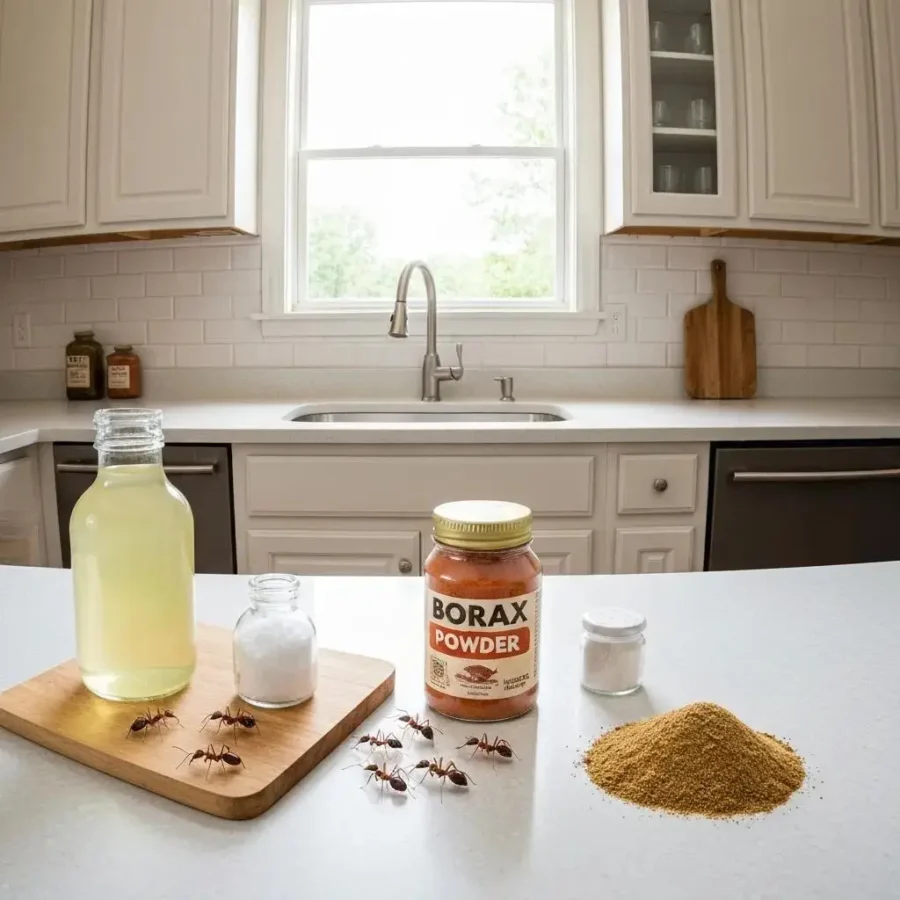
Common household remedies and over-the-counter products work on different ant behaviors. Vinegar or soap-and-water sprays erase pheromone trails and remove visible scouts for an immediate but temporary effect. Borax or boric-acid baits are slow-acting toxicants mixed with sweet attractants that foragers can carry back to the nest — effective only if the species accepts the bait. Diatomaceous earth damages insect exoskeletons physically, and aerosol sprays knock down workers on contact. These options are cheap and accessible, but wrong placement, incorrect bait choice, or misuse can limit colony-level success and create safety hazards around children or pets.
Benefits and Limits of DIY Ant Control
DIY treatments offer quick wins but also clear limits that often mean repeated effort or escalation to professional help. Positives include low upfront cost, fast visible reductions in foragers, and the ability to act immediately without scheduling an inspection. Drawbacks include treating workers but not queens or satellite nests, needing accurate species identification to choose the right bait, and creating a false sense that the problem is solved. Using DIY as short-term control while watching for signs that call for expert identification and colony-targeted measures is the most practical approach.
Some DIY tools are fine for first aid — but recognizing the limits of surface fixes makes it easier to see why DIY alone often doesn’t kill colonies.
- Common DIY methods suppress foragers quickly but seldom remove queens or entire colonies.
- Wrong bait choice or untargeted sprays waste time and can make re-infestation more likely.
- Follow safety directions: keep toxic baits away from kids and pets and read product labels carefully.
These distinctions explain why species-specific professional strategies usually outperform general household remedies.
Below is a quick reference table that summarizes common DIY methods, what they target, and their typical limits.
| DIY Method | What It Targets | Effectiveness & Key Limitations |
|---|---|---|
| Vinegar / Soap spray | Pheromone trails and visible foragers | Disrupts trails immediately; short-lived and won’t reach nests |
| Borax/boric-acid baits | Foragers that carry food back to the nest | Can work if the species accepts the bait; risky if bait is wrong or accessible to pets |
| Diatomaceous earth | Exoskeleton desiccation on contact | Slow and inconsistent in humid climates; messy and limited indoors |
| Over-the-counter sprays | Contact kill of visible ants | Quick knockdown of workers; no lasting colony control and possible indoor toxicity |
| Homemade sugar baits | Attracts sugar-feeding species | Low cost but formulation varies; slower and less reliable at colony elimination |
Why DIY Often Fails to Eliminate Ant Colonies for Good
DIY attempts commonly fall short because ant colonies are organized biological systems with hidden nests, queens, and food-sharing behaviors that protect the reproductive core. Surface sprays and quick fixes may kill workers but rarely reach subterranean or wall-embedded nests where queens and brood hide, allowing colonies to rebuild foragers in days or weeks. Many South Florida species also form satellite nests or large cooperative colonies that need identification and targeted baiting to break colony structure. Understanding these biological realities clarifies why persistent or repeating infestations usually need inspection and a species-specific plan.
How Colonies and Queens Avoid DIY Treatments
Queens and brood shelter in cavities, soil galleries, or structural voids, so contact sprays and surface treatments seldom touch the reproductive center. Some species have multiple queens or satellite nests across a property, spreading risk and reducing the impact of single-point treatments. Ants rely on pheromone trails for foraging, so disrupting a trail only temporarily alters behavior — foragers can quickly establish new routes if nests remain undisturbed. Targeting foragers without disrupting nest structure or bait-transfer chains leaves the colony intact and increases the chance of return.
Safety and Effectiveness Risks with DIY Products
Home treatments carry safety and misuse risks that can harm people, pets, and non-target wildlife when labels aren’t followed or products are stored improperly. Boron-based baits, for example, should be placed where pets and children can’t reach them; aerosolized pesticides used indoors can irritate respiratory systems. Effectiveness issues include choosing the wrong bait type (protein vs. sugar feeders), applying contact insecticides in ways that repel ants from baits, and over-spraying that pushes colonies deeper into voids. These safety and efficacy challenges illustrate the upside of a careful inspection and professional application when infestations persist or when vulnerable household members are present.
Recognizing these biological and safety limits leads naturally to considering professional services tuned to South Florida’s species and climate.
What Professional Ant Control Gives You in South Florida
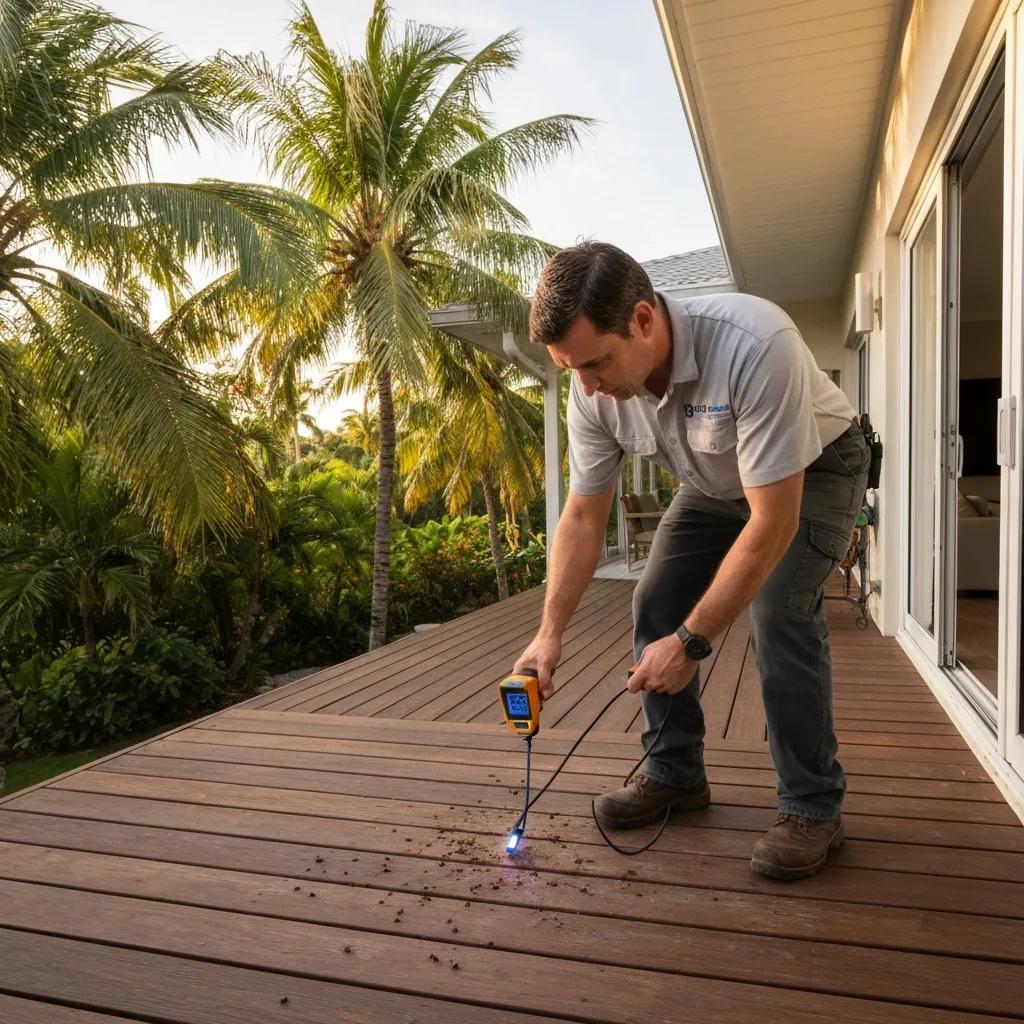
Professional ant control brings thorough inspection, accurate species identification, targeted treatments, and ongoing maintenance tailored to South Florida’s warm, humid conditions. Trained technicians determine whether you have ghost ants, carpenter ants, fire ants, or other local species and choose baits and site treatments that fit each species’ feeding habits and nesting preferences. Pros also reduce exposure risk by placing baits safely, using EPA-approved products, and following protocols that protect children and pets. The result is fewer repeat visits, less property risk, and a clearer long-term return on investment than repeated DIY attempts.
How Bugsy’s Three-Step, Science-Backed Ant Control Process Works
Bugsy’s Pest Solutions follows a simple three-step process: detailed inspection, customized treatment, and ongoing protection with guaranteed re-treats during scheduled service intervals. On inspection, our technicians log entry points, nest signs, species clues, and conducive conditions like moisture or wood damage — information that guides species-appropriate baiting and placement. Treatments use EPA-approved, family- and pet-safe products selected for the identified species, and ongoing protection includes scheduled monitoring and no-charge re-treats if pests return between visits. This structured workflow reduces recurrences and gives homeowners clear expectations about timing and results.
Which South Florida Ants Does Bugsy’s Target — and How?
Correct species ID matters because treatment success depends on matching product type and placement to ant biology and diet. Bugsy’s targets common local ants — Ghost, White-Footed, Carpenter, Fire, Pharaoh, Argentine, Pavement, and Odorous House ants — with species-appropriate baits, mound treatments, or nest-elimination tactics. The table below summarizes each species’ behavior, risk, and the professional response homeowners can expect.
| Ant Species | Risk / Behavior | Recommended Professional Treatment & ROI |
|---|---|---|
| Ghost ants | Very small, sugar feeders; nest in walls or potted plants | Find entry points and use sugar-based baits; good control when baiting is correct |
| White-footed ants | Indoor foragers, large colonies | Indoor baiting plus outdoor perimeter work; high success with targeted plan |
| Carpenter ants | Nest in wood, larger size | Trace nests and apply localized wood treatments; crucial to prevent structural damage |
| Fire ants | Painful stings, obvious outdoor mounds | Mound-focused treatments and perimeter controls; prompt work lowers sting risk |
| Pharaoh ants | Many satellite nests, prefer proteins | Colony-wide baiting strategy and follow-up; moderate complexity, requires pro baiting |
| Argentine / Pavement ants | Ground-nesting near foundations | Perimeter baits and habitat changes; effective with integrated approach |
How Professionals Use Eco-Friendly, Family-Safe Products
Pros choose EPA-approved products that balance strong control with lower risk to non-targets, and they follow site-specific protocols to limit exposure for people and pets. Typical methods include interior bait stations placed out of reach, targeted exterior perimeter baiting, and scheduling work to minimize household disruption. Technicians walk homeowners through re-entry times, safe handling of household items, and simple sanitation steps to reduce attractants. These safety practices and product choices help achieve effective control while keeping family- and pet-safety top of mind for South Florida homes.
Pairing accurate species ID with eco-conscious product use and careful application reduces repeat treatments and delivers more sustainable results.
When Should You Call a Professional Ant Exterminator?
It’s important to recognize when DIY stops working so you avoid property damage, health risks, and wasted time. Call a professional when you see persistent trails that return after treatments, multiple entry points or nests, clear wood damage from carpenter ants, stinging ants like fire ants on your property, or repeated infestations despite DIY efforts. A timely inspection identifies the species, assesses structural risk, and sets a targeted plan that prevents escalation — saving money and hassle down the road.
Signs of a Severe or Persistent Ant Infestation
Some signs show an infestation has moved beyond a simple nuisance and needs pro attention. Persistent trails that reappear after DIY measures suggest an intact nest or several nests. Visible damage to framing, beams, or trim is a serious red flag for carpenter ants. Multiple entry points and heavy indoor foraging day or night point to colony expansion. Stinging incidents or aggressive mounds in yards indicate fire ant hazards that deserve immediate treatment. These signs help homeowners prioritize inspection and intervention.
Property and Health Risks from Ignored Ant Problems
Left unchecked, certain ant species create growing property and health risks that raise long-term costs. Carpenter ants can hollow wood over time, leading to expensive repairs. Fire ants deliver painful stings and can cause allergic reactions for people and pets. Large indoor ant populations can contaminate food and invite other pests by changing the home’s micro-environment. In South Florida’s humidity, moisture problems that attract ants can also promote mold or wood decay, increasing repair bills. These risks highlight the financial and safety benefits of timely, effective intervention.
Understanding these hazards helps homeowners decide when to move from short-term DIY responses to professional inspections and integrated plans that reduce broader risks.
- Call a pro for persistent trails, visible nests, wood damage, stinging ants, or repeated DIY failures.
- Acting early reduces repair costs and health risks tied to stinging or contaminating species.
- Professional inspections clarify species and scope, making treatments more efficient than repeated DIY attempts.
How Much Will Professional Ant Control Cost Compared with DIY in Boca Raton?
Cost comparisons should look beyond the initial outlay to consider repeat treatments and long-term property risk. DIY supplies cost a few dollars to a few dozen dollars per product, but repeated purchases, time spent, and potential repair bills from structural damage add up. Professional services usually include an inspection, an initial targeted treatment, and scheduled follow-ups; while the first bill is higher than a single DIY purchase, pros often achieve faster colony elimination, fewer revisit costs, and warranties that lower long-term expenses. Free estimates from local providers make it easy to compare expected scope and budgets for Boca Raton homes.
Factors That Affect Professional Ant Extermination Price
Several variables influence cost and the work required to eliminate ant colonies effectively. Infestation severity (number of trails or visible nests) and species type (fire and carpenter ants often need more intensive work) are primary drivers. Property size and access (landscaping, turf, wall voids) affect labor and materials; structural repairs add to costs. Follow-up frequency and guarantee terms also change the price — scheduled maintenance and no-charge re-treats during contract periods increase long-term value. A clear free estimate helps homeowners understand which factors shape a personalized quote.
Below is a simple cost-comparison table that summarizes typical upfront ranges and lifetime cost considerations for DIY versus professional approaches in the Boca Raton area.
| Approach | Upfront Cost (Typical) | Long-Term Cost / Benefit |
|---|---|---|
| DIY (baits, sprays) | $5–$50 per product | Low upfront; likely repeated purchases and possible repair liability if colony persists |
| Professional (inspection + treatment) | Variable; free estimate available | Higher upfront; fewer repeat visits, warranty/re-treats, lower long-term repair risk |
| Professional ongoing program | Monthly/quarterly service | Predictable cost, prevention-focused, often best ROI for recurring problems |
Why Professional Ant Control Is Often a Better Long-Term Investment
Professional programs cut cumulative costs by addressing root causes, using species-specific baits and follow-ups that reduce recurrence, and offering guarantees that prevent repeat charges between scheduled services. For species that damage structures or pose health risks — like carpenter or fire ants — delayed remediation can cost far more than professional intervention. Pros also diagnose conducive conditions and advise on exclusion and sanitation steps that lower future risk. When you factor in warranties, fewer repeat treatments, and reduced repair exposure, professional ant control often delivers better long-term value than repeated DIY spending.
Weighing these economic factors alongside safety and species behavior makes choosing the right path for your Boca Raton home much clearer.
Why Choose Bugsy’s Pest Solutions for Ant Control in South Florida?
Bugsy’s Pest Solutions offers local service designed for South Florida’s pest challenges while keeping family and pet safety front and center. Based in Lake Worth Beach and veteran-owned, family-operated, we use a science-backed, safety-first approach with EPA-approved, eco-friendlier products and a three-step process: inspect, treat, protect. We serve homeowners and businesses across Palm Beach, Broward, and St. Lucie counties, provide free estimates, and re-treat at no charge if pests return between scheduled services. Those local know-how and guarantees give homeowners clear accountability and dependable results.
What Sets Bugsy’s Veteran-Owned, Family-Run Service Apart?
Being veteran-owned and family-run means disciplined service, clear communication, and local accountability — traits many homeowners appreciate. Bugsy’s focuses on timely inspections, straightforward explanations of findings, and consistent technicians so you see familiar faces over time. That continuity builds trust, speeds follow-up, and makes our safety protocols and treatment plans easy to understand. For South Florida residents who want a local partner that balances technical skill with personal service, these qualities reduce friction and set realistic expectations.
How to Request a Free Ant Control Estimate
Request a free estimate by submitting a service inquiry to schedule an inspection. Our technician will check entry points, look for nesting signs, identify species clues, and note property conditions to prepare a customized plan. During the estimate you’ll learn which species we suspect, the recommended treatment steps, expected follow-up timing, and any exclusion or sanitation tasks that will help. Free estimates make comparing options straightforward and show how science-backed, pet- and family-safe practices are applied across Palm Beach, Broward, and St. Lucie counties. Scheduling an inspection is the next practical step when DIY hasn’t solved a persistent ant problem.
These company details create clear next steps while keeping the focus on educating homeowners about effective, safe, and locally informed ant control.
- Bugsy’s advantages: veteran-owned accountability, EPA-approved eco-friendlier methods, a three-step inspect/treat/protect process, free estimates, and no-charge re-treats between scheduled services.
- Request an inspection to get a species-specific plan and a clear cost estimate tailored to your property.
- Prioritizing local expertise and safety reduces long-term infestation risk and potential repair costs for South Florida homes.
Frequently Asked Questions
What are the signs that indicate a serious ant infestation?
Look for persistent trails that return after DIY attempts, visible nests, and structural damage — especially from carpenter ants. Multiple entry points around the home and heavy indoor foraging are also warning signs. If you have stinging ants like fire ants, treat that as an urgent issue. Spotting these signs early helps prevent further damage and health risks.
How can homeowners prevent ant infestations in the first place?
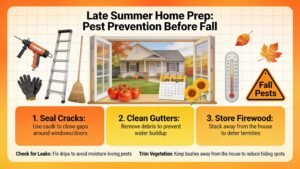
Preventive steps are straightforward: seal cracks and crevices, store food in airtight containers, and clean up spills and crumbs quickly. Fix leaks, improve drainage, and reduce standing moisture. Trim vegetation away from the house and keep firewood or mulch away from the foundation. These actions make your home less attractive to ants.
What should I do if I see ants but can’t identify the species?
If you can’t identify the ants, call a pest professional. Different species have different diets and nesting habits, which affects the best treatment. A pro can inspect, ID the species, and recommend a targeted control strategy that’s more likely to work long-term.
Are there eco-friendly options for ant control?
Yes. Many professional services use EPA-approved products that balance effectiveness with lower risk to non-target organisms. Options include sealed bait stations placed out of reach, targeted exterior baiting, and natural deterrents like diatomaceous earth in appropriate settings. Preventive measures — sealing entry points and good sanitation — also reduce dependence on chemicals.
How often should I schedule professional ant control services?
Frequency depends on infestation severity and the species involved. For prevention, many homeowners choose quarterly or biannual visits in areas prone to ants. Severe infestations may require more frequent follow-ups until the problem is under control. Regular inspections catch issues early and help keep your home ant-free year-round.
What are the potential health risks associated with ant infestations?
Ants can pose several health risks. Fire ants sting and can cause painful reactions or allergic responses. Large indoor populations may contaminate food, increasing the risk of foodborne illness. Carpenter ants can also cause structural harm that creates unsafe conditions. Addressing ant problems quickly protects family members and pets.