

Real Tips from Bugsy’s Pest Solutions in South Florida
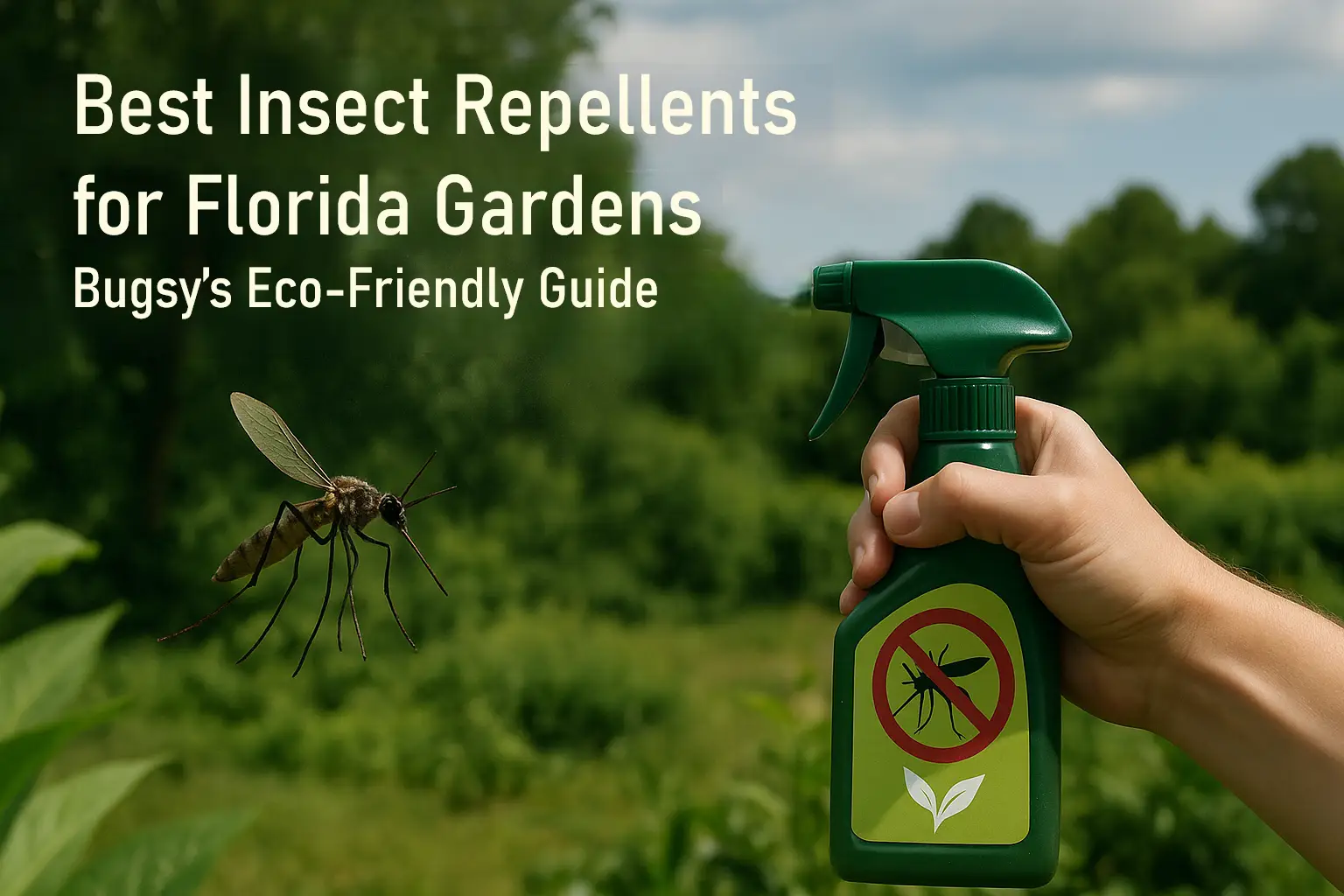
At Bugsy’s Pest Solutions, we’re all about giving you tools that actually work—especially when it comes to protecting your garden from destructive insects without nuking the entire ecosystem. South Florida gardens are beautiful but also vulnerable, especially to pests like aphids, spider mites, and Japanese beetles. You want a garden that thrives, not one that’s overrun with bugs or doused in chemicals.
This guide walks you through the best insect repellents for Florida gardens—from tried-and-true organic sprays to strategic gardening methods like companion planting. Let’s dig in (pun intended).
Key Takeaways
- Use organic insect repellents like neem oil, essential oils, and insecticidal soaps to keep pests out without harming bees and butterflies.
- Chemical sprays may work fast but come with environmental trade-offs—know when to use them.
- The way you apply and reapply your repellent matters just as much as what you choose.
- Combine repellents with smart gardening techniques like companion planting to keep bugs confused and your plants healthy.
- Know your enemy: target repellents to the specific pests chewing through your basil or tomatoes.
The Best Types of Insect Repellents for Gardens
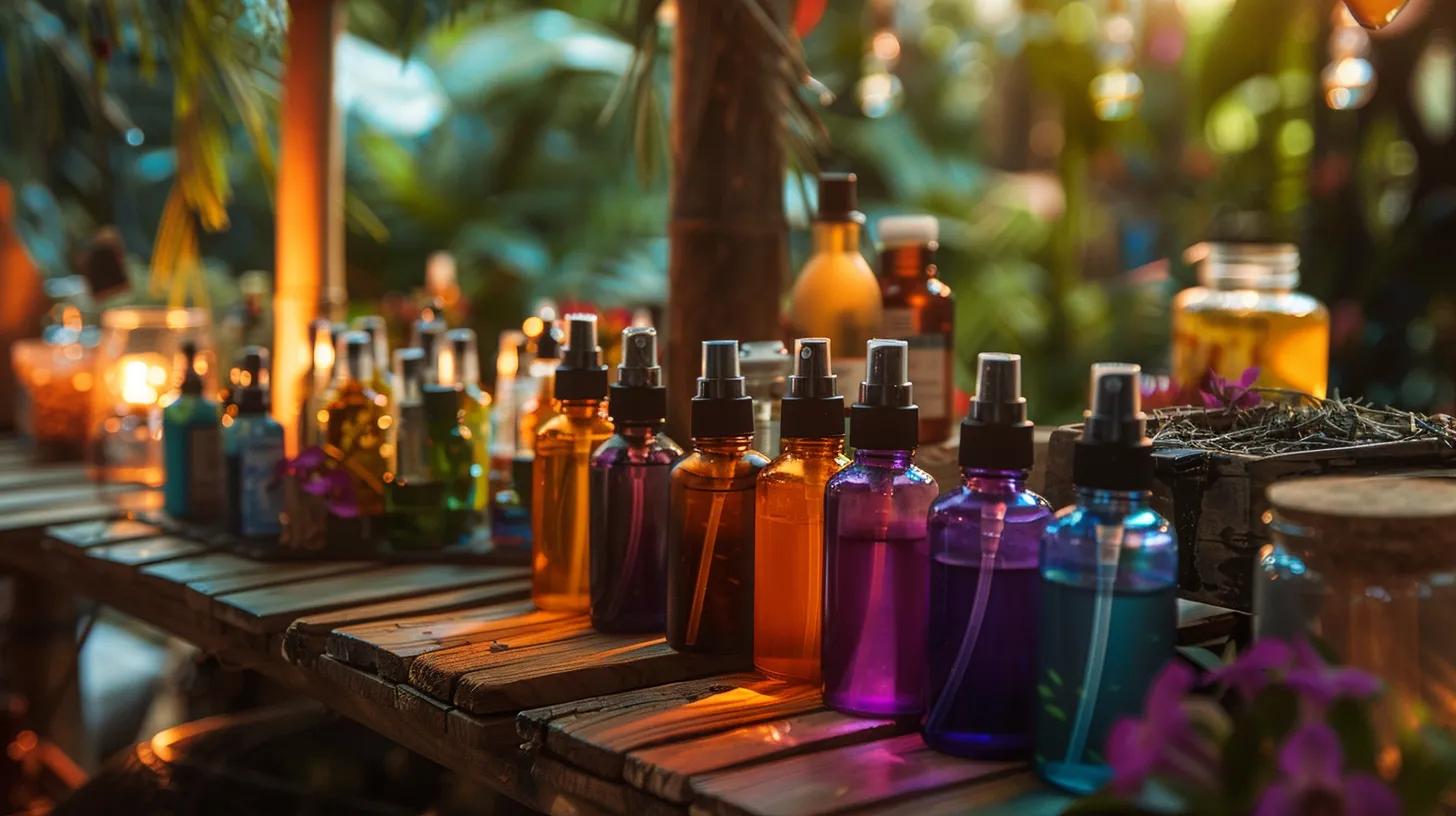
There are three main options: organic sprays, chemical insecticides, and essential oil blends. Most Florida gardeners should lean toward eco-friendly choices—your plants, pollinators, and soil will thank you. These repellents use natural ingredients like citronella, neem extract, or pyrethrum to disrupt pest feeding without collateral damage.
Did you know certain essential oil blends can reduce pest attraction by over 50%? That’s a big win without reaching for harsh synthetics.
Which Garden Pests Should You Focus On in South Florida?
If you’ve gardened in South Florida for more than a week, you’ve probably already met some of these usual suspects:
- Aphids – Sap-sucking freeloaders that cluster under leaves.
- Japanese beetles – Metallic pests with a hunger for roses and vegetables.
- Spider mites – Tiny but mighty, especially during dry spells.
- Slugs and snails – Masters of late-night leaf munching.
- Caterpillars – Cute until they skeletonize your kale overnight.
You don’t need a chemical arsenal. Targeted treatments—like neem oil for spider mites or iron phosphate bait for slugs—work well without ruining your soil.
Quick Control Tactics from Bugsy’s Team
Aphids – Spray the underside of leaves with insecticidal soap or diluted neem oil. For bonus points, encourage ladybugs to move in.
Japanese Beetles & Spider Mites – These guys hate pyrethrin and neem oil. Keep your sprays consistent and monitor daily during peak summer.
Slugs, Snails & Caterpillars – Lay down copper tape around garden beds or sprinkle diatomaceous earth. Want something stronger? Bt (Bacillus thuringiensis) is a safe, natural caterpillar killer that won’t touch your pollinators.
How Do Gardening Practices Enhance the Effectiveness of Insect Repellents?
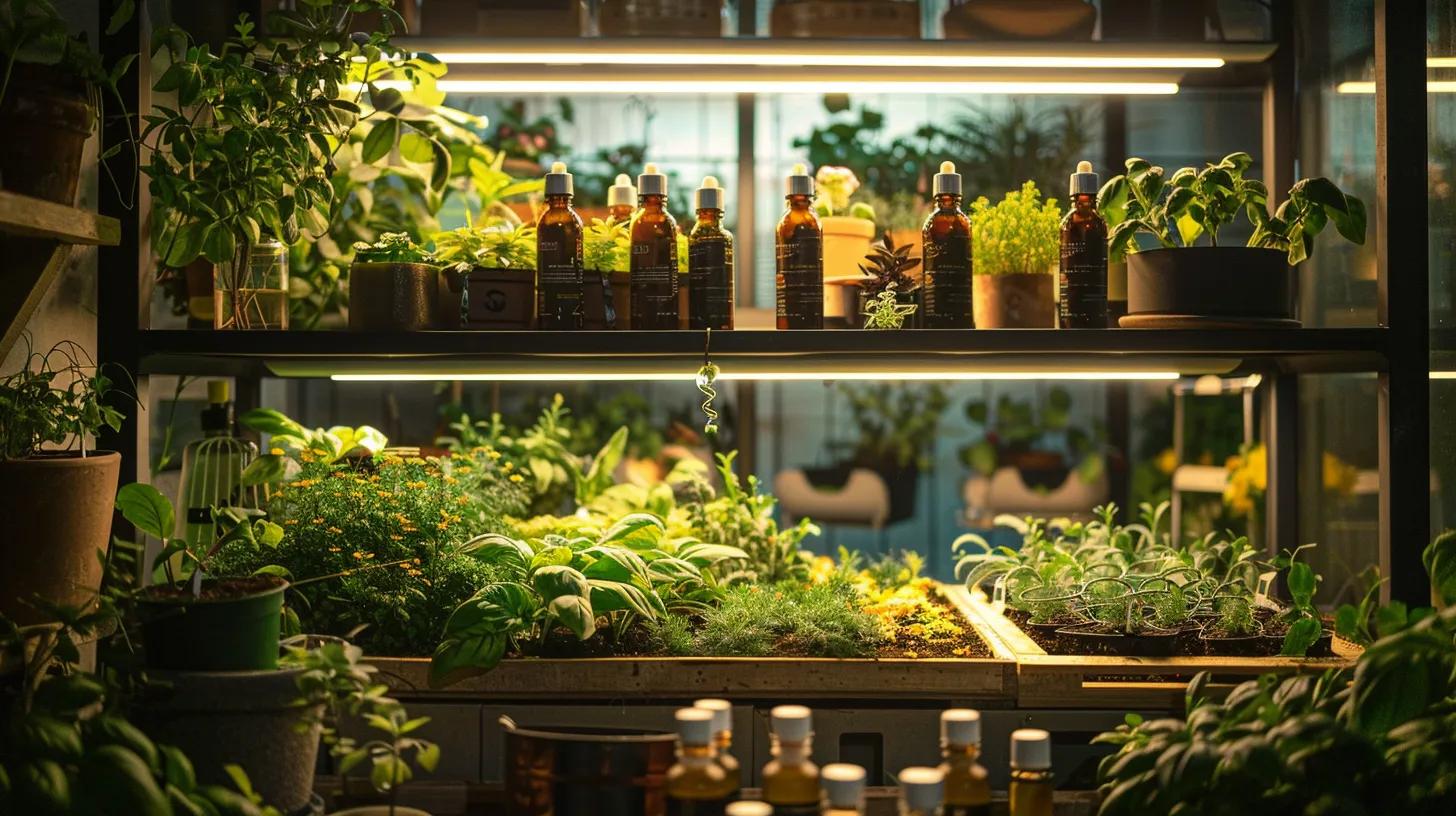
You can spray all you want—but without a strong foundation, you’re just buying time. At Bugsy’s, we always tell our customers: repellents should complement your gardening habits, not replace them.
Organic Gardening = Fewer Pests Long-Term
Organic soil amendments, compost, and limited chemical use encourage healthier plants that resist pests naturally. It’s slow-burn protection, but incredibly effective.
Companion Planting = Nature’s Pest Repellent
Basil and marigold aren’t just pretty faces. When planted next to tomatoes, they repel aphids, whiteflies, and nematodes. This is the kind of low-effort, high-reward hack we love.
If you’re looking for more ways to naturally reduce pest pressure in your outdoor space, check out our Mosquito Control Services in West Palm Beach or Residential Pest Control options—eco-conscious methods are what we’re all about.
How Should You Apply Insect Repellents Safely and Effectively?
Repellent only works if you use it correctly. Seems obvious, but you’d be surprised how often we see folks spray once and expect miracles. Whether you’re going the organic route or trying something a bit stronger, application technique matters—a lot.
Step-by-Step: Applying Organic Repellents Like a Pro
- Dilute according to the label (don’t eyeball it—seriously).
- Use a clean spray bottle—residue from other products can ruin results.
- Spray both tops and undersides of leaves—pests don’t just hang out on the obvious spots.
- Apply during cooler parts of the day (early morning or evening).
- Reapply every 7–10 days, especially after rain or irrigation.
Tip from the Bugsy crew: Keep a simple spray log so you don’t forget when you last applied. It helps, trust us.
Safety First
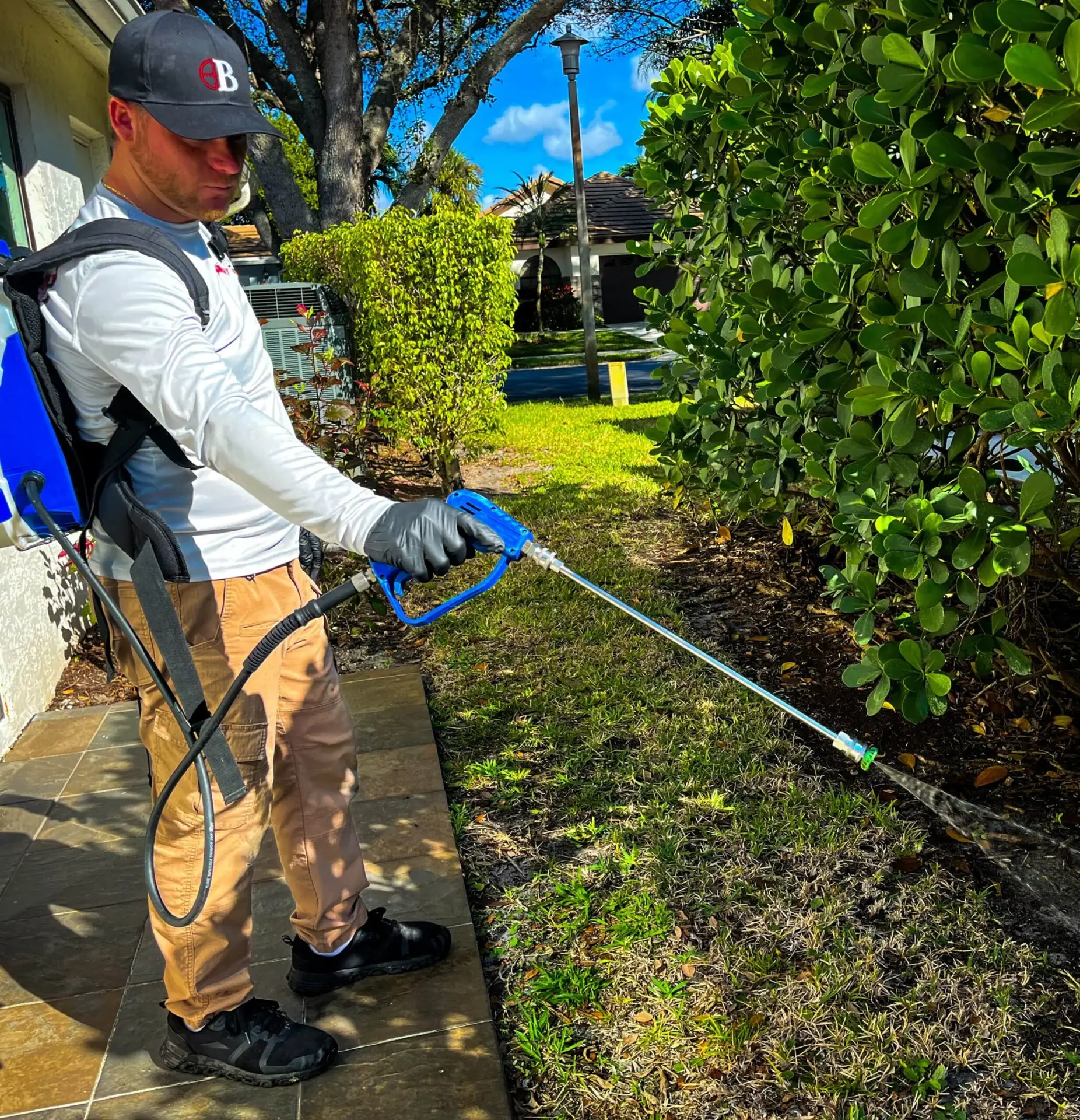
Even with eco-friendly sprays, suit up. Gloves, long sleeves, and eye protection are your friends. Avoid spraying on windy days, and never apply during full sun—plants can get scorched. After applying, wash your hands and tools. It’s basic stuff, but it prevents accidental exposure or damaging other plants.
What Insect Repellents Work Best for South Florida Gardens?
We’ve seen hundreds of gardens across Palm Beach County and surrounding areas, and these are the top picks we keep coming back to:
Product | Active Ingredients | Target Pests | Frequency | Why We Like It |
|---|---|---|---|---|
Bonide Insect Control | Pyrethrin, sabadilla | Aphids, whiteflies, beetles | Every 5–7 days | Fast-acting for urgent infestations |
Safer Brand Neem Oil | Neem oil, botanical extracts | Spider mites, aphids, whiteflies | Every 7–10 days | Gentle but reliable for long-term use |
Need help finding the right one for your garden? Give our team a call or explore our eco-friendly pest control solutions for residential properties.
Tailored Recommendations
- Vegetable gardens: Go for insecticidal soap + neem. It’s safe on edible plants and washes off easily.
- Roses: A neem + rosemary oil blend knocks back beetles and mites while keeping blooms beautiful.
- Herbs: Use mild solutions only—stronger stuff can alter taste or smell.
We always suggest spot-testing before going full-send on your garden.
Why Bugsy Backs Eco-Friendly Repellents (And You Should Too)
Bugsy’s is a veteran-owned company, but we’re not at war with nature—we’re working with it. Eco-friendly products:
- Protect bees, butterflies, and beneficial bugs.
- Reduce chemical runoff into Florida’s waterways.
- Lower the risk of pesticide-resistant super pests.
- Are safer for kids, pets, and anyone who likes breathing clean air.
And the best part? When used consistently, they work just as well—if not better—than heavy chemical treatments.
Final Thoughts
At the end of the day, successful pest control isn’t about going nuclear—it’s about being smarter than the bugs. Choose the right products, apply them consistently, and use organic gardening practices to your advantage. Your garden will be healthier, your produce tastier, and the butterflies? Still welcome.
Need help identifying a stubborn pest or setting up a complete integrated plan? Bugsy’s Pest Solutions offers more than just indoor treatments—we help Florida homeowners create pest-resistant yards and gardens that thrive.