

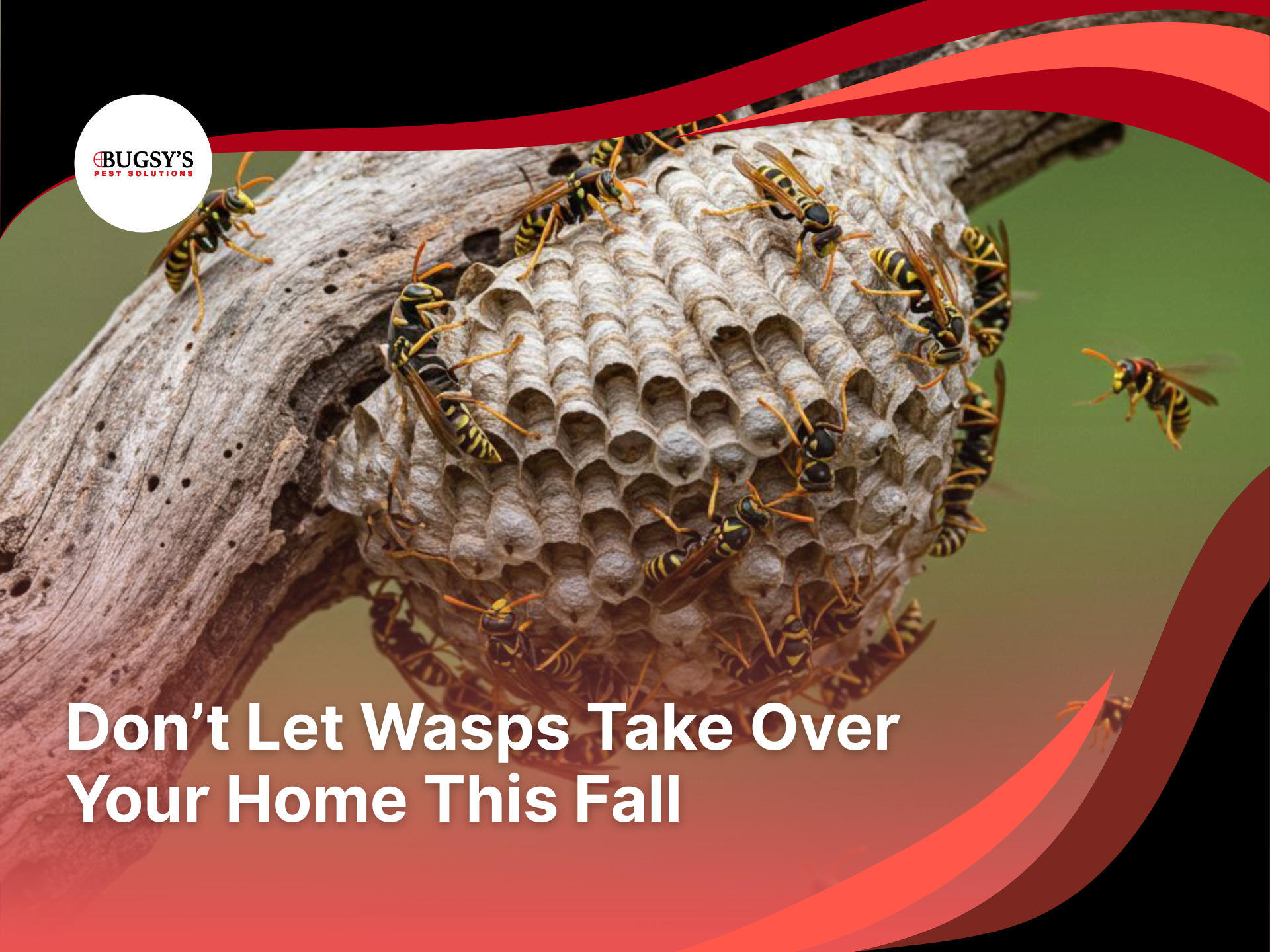
Wasp nests present real risks to households, often unnoticed until an incident. Leaving a nest increases the chance of dangerous encounters, especially for people with venom allergies. This article covers health risks, safe identification, and removal options for homeowners, including when to hire professional pest control. For pest-management services, consider Bugsy .
Safety Risks Related to Wasp Stings
Wasp stings cause sharp pain, redness and local swelling. Disturbing a nest can provoke multiple stings; repeated or clustered stings increase the chance of severe systemic reactions, including anaphylaxis in susceptible people.
Potential Allergic Reactions
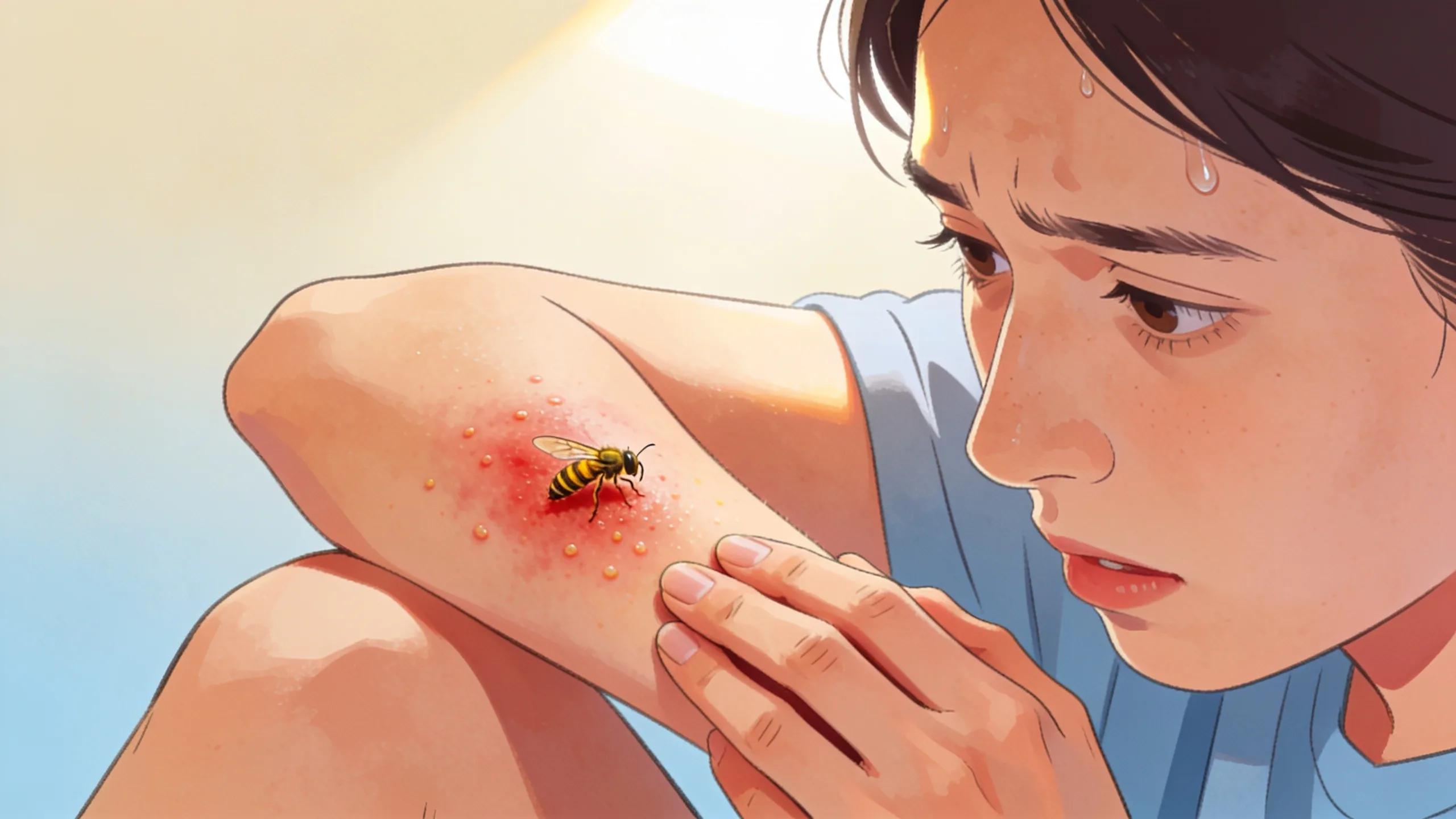
Allergic responses range from mild local swelling to life-threatening anaphylaxis. Key warning signs are spreading swelling, breathing difficulty, facial or throat swelling and a rapid pulse; anyone with systemic symptoms needs urgent medical assessment and treatment.
Insect Sting Reactions: Local, Anaphylactic, and Fatal Risks
Insect venom induces a toxic reaction at the site of the sting. Large local reactions are due to allergy and occur in up to 25% of the population; as many as 3.5% develop IgE-mediated, potentially life-threatening anaphylaxis, of which about 20 people die in Germany each year. Mastocytosis is found in 3% to 5% of patients with sting anaphylaxis, rendering these patients prone to very severe reactions. Insect stings: clinical features and management, 2012
Effective Removal Methods for Homeowners
Removal requires planning and prioritizing safety. Homeowners can choose professional removal, careful DIY for low-risk nests, or preventive steps to reduce future infestations.
- Professional Removal : Hiring a licensed pest-control service provides safe, effective removal; technicians have protective gear and training.
- DIY Removal : For low-risk, small nests, remove only at night while wearing full protection and using long-range sprays.
- Preventive Measures : Seal gaps, remove food and maintain vegetation to make your property less attractive to wasps.
For homeowners seeking professional help,Bugsy offers expert wasp removal services with safety-first teams and free estimates to help you decide.
Guidelines for Safely Identifying Wasp Nests
Identify nests from a safe distance by watching for repeated wasp traffic to a single point, especially in late summer. Typical sites include eaves, attics and branches. Do not disturb a suspected nest—observe patterns of entry and exit and call a professional if unsure.
What Are the Health Risks from Wasp Nests in Residential Areas?
Nests near homes raise sting exposure for residents, particularly children and allergic individuals. Large colonies can be more aggressive and may attract other pests; timely action reduces risk for vulnerable household members.
How Dangerous Are Wasp Stings and Allergic Reactions?
Stings cause intense local pain and swelling and can trigger anaphylaxis in sensitive people. Multiple stings increase systemic risk. Prompt recognition and removal of nests limit recurring exposures.
What Are the Common Symptoms and Emergency Signs of Wasp Sting Allergies?
Common signs include marked local swelling, redness and severe pain. Emergency signs are difficulty breathing, throat or facial swelling, dizziness or fainting, and a rapid pulse—these require immediate medical attention.
How to Identify Wasp Nests Safely in Your Neighborhood?
Look for paper-like, rounded nests attached to sheltered spots and for wasps repeatedly flying to the same location. If in doubt or if a nest is in a high-traffic area, consult a pest-control professional.
What Are the Typical Locations and Characteristics of Wasp Nests?
Nests are often in attics, under eaves or on tree branches. They are made of a paper-like material from chewed wood fibres mixed with saliva. Larger nests indicate bigger colonies and greater risk.
When Do Wasps Build Nests and How Does Seasonal Behavior Affect Identification?
Wasps build nests in spring and activity peaks in summer; activity declines in autumn when many colonies die out. Seasonal timing helps plan inspections and safe removal windows.
What Are the Safe and Effective Wasp Nest Removal Techniques?
Safe options include licensed professionals or cautious DIY for small, low-risk situations. Professionals assess species and location, wear PPE and use targeted treatments. DIY should be limited to night-time, full protection and products designed for distance application.
What Are the Risks of DIY Wasp Nest Removal Compared to Professional Services?
DIY attempts carry higher risk of multiple stings and severe allergic reactions for untrained people. Professionals reduce risk through training, specialized gear and established protocols; homeowners should honestly assess experience and exposure before trying DIY.
How Does Professional Pest Control Ensure Safe Wasp and Bee Removal?
Pest-control firms perform property inspections, identify species and create tailored removal plans. Technicians use PPE and methods designed to minimize risk to people and property, giving homeowners greater confidence in safety and effectiveness.
When Should You Call Professional Pest Control for Wasp Nest Issues?
Call a professional for increased wasp activity, visible nests, nests near doors or play areas, or when a household member has a venom allergy. Early intervention reduces the chance of dangerous encounters.
What Are the Signs That Indicate Immediate Professional Intervention?
Seek immediate help for aggressive wasp behavior, nests close to entry points or play areas, or large visible nests that pose a direct threat. Arrange a qualified response promptly if these signs appear.
How Does Bugsy Provide Reliable and Science-Backed Wasp Removal Services?
Bugsy combines thorough inspections with species-specific treatment plans and trained technicians who apply proven methods to reduce risk. If needed, they also offer ant control and mosquito control services for comprehensive pest management.
This issue is compounded in urban areas, which often present unique challenges for managing human–wasp conflicts.
Urban Wasp Conflicts: Public Health and Nest Removal Challenges
Social wasps in urban environments pose significant public health and management challenges due to human–wasp conflicts, such as nest removal operations and sting incidents. This study evaluated patterns of social wasp diversity, conflict distribution, and management effectiveness in Seoul, South Korea, by integrating 73,277 wasp nest removal operations from 2017 to 2024 with ecological surveys of 1,628 individuals representing 12 species collected during 2023–2024. Diversity of social wasps and recent trends in human–wasp conflicts in Seoul,
South Korea: Implications for urban pest management, O Kwon, 2026
Frequently Asked Questions
What are the best preventive measures to avoid wasp infestations?
Seal gaps around windows, doors and rooflines, remove exposed rubbish and fallen fruit, and trim dense vegetation. Regular spring checks let you catch small nests early when removal is simpler.
How can you tell if a wasp nest is active?
An active nest shows steady wasp traffic to and from the same point, audible buzzing and larger numbers on warm days. Sustained or aggressive activity indicates an active nest and calls for caution.
Are there specific types of wasps that are more dangerous than others?
Yes. Species such as yellow jackets and hornets defend nests more aggressively and pose greater sting risk; species identification helps determine the safest removal approach.
What do I do if I get stung by a wasp?
Stay calm, remove any visible stinger, clean the area with soap and water and apply ice. Use OTC pain relief or antihistamines as needed. Seek emergency care if you experience breathing difficulty, throat swelling, dizziness or fainting.
How often should homeowners inspect for wasp nests?
Inspect at least monthly from late spring through early fall, with extra vigilance in summer when activity peaks. Regular checks support early detection and safer removal.
Can wasp stings cause long-term health issues?
Most stings cause temporary pain and swelling. Repeated exposures can sensitize some people, raising future anaphylaxis risk. Those with prior severe reactions should consult a clinician about carrying epinephrine.
What should I include in a first-aid kit for wasp stings?
Keep antiseptic wipes, ice packs, OTC pain relievers and oral antihistamines. If someone in the household has a known severe allergy, store an epinephrine auto-injector and check supplies regularly.
Conclusion
Recognising the hazards of wasp nests and acting early protects your household. Use safe identification, preventive steps and prompt removal—preferably by trained professionals—to reduce sting and allergy risk. For expert assistance, consult a reputable pest-control provider.