


Rodent infestations create health risks and property damage, so reliable control is essential for Lake Worth Beach homeowners. This article outlines practical strategies for identification, exclusion and prevention. You will learn how to spot rodent activity, apply exclusion techniques and use safe repellents. These methods help homeowners protect their properties and maintain a safer living environment. The sections below review common signs of infestation, exclusion best practices, pet-safe repellents, and when to seek professional help from Bugsy.
What Are the Common Signs of Rodent Infestation in Lake Worth Beach Homes?
Early identification is critical to limit damage and health risks. Key signs include droppings, gnaw marks and unusual nocturnal noises. Recognising these indicators allows prompt action to reduce further harm and the chance of disease transmission.
How to Identify Rodent Droppings and Nesting Areas
Droppings are a primary sign of rodents: small, dark, pellet-shaped and often found near food sources or nesting sites. Check attics, basements and areas behind appliances. Also look for nesting materials such as shredded paper, fabric or insulation. Regular inspections catch problems before they escalate.
Recognizing Rodent Damage and Unusual Noises in Your Home
Rodents frequently cause damage by gnawing on furniture, wiring and structural elements. Scratching or scurrying sounds—often at night—indicate activity. Recognising these signs early supports timely intervention and can prevent costly repairs. For broader pest control needs, including services beyond rodents, see Bugsy’s services.

Which Rodent Exclusion Techniques Are Most Effective for Lake Worth Beach Residences?
Exclusion focuses on denying rodents access to the home. Effective methods include sealing entry points, improving housekeeping and altering conditions that attract rodents. A systematic, sustained approach reduces the likelihood of future infestations.
For more detailed insights, let’s explore expert recommendations on rodent-proof construction.
Rodent-Proof Construction and Exclusion Methods
The most effective means of limiting rodent damage is rodent-proof construction. New buildings should be designed and built to prevent rodent entry. Rodent-proofing is a good investment. Designing and constructing a rodent-proof building is less expensive than adding rodent-proofing later. Nevertheless, poor maintenance or management practices, such as leaving entry doors and unscreened windows open, will make the bestconstructed building susceptible to rodent entry. Techniques discussed here apply both to new construction and to the modification of existing structures.
Rodent-proof construction and exclusion methods, RM Timm, 1994
How Does Rodent Proofing Using Steel Wool and Metal Flashing Work?
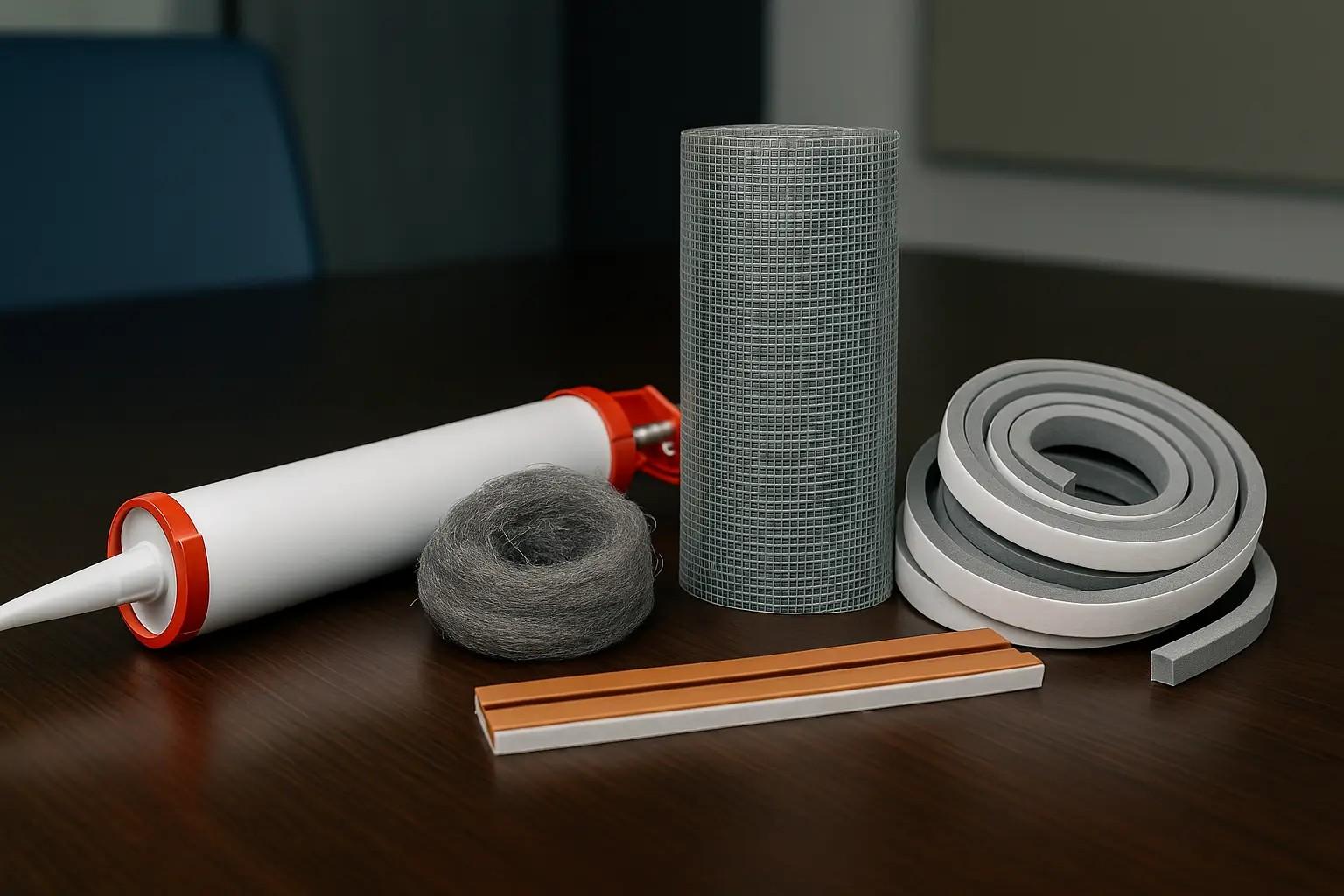
Rodent proofing uses durable materials to close entry points. Steel wool fills small gaps rodents cannot easily chew through, while metal flashing covers larger openings and provides a long-lasting barrier. When applied correctly, these measures are cost-effective and significantly lower the chance of rodent entry.
What Are Pet-Safe and Environmentally Friendly Rodent Repellents?
Many homeowners prefer pet-safe, low-impact options. Natural repellents such as peppermint oil and vinegar can discourage rodents without posing obvious harm to pets or the environment when used responsibly. These alternatives offer a safer way to manage minor issues while supporting a healthy home. For help with other pests, see ant control services. Additional information about various pests can be found in the Bugsy Pest Library, which covers palmetto bugs, chinch bugs, wasps and hornets, silverfish, fleas, spiders, bed bugs, mosquitoes, roof rats, termites, cockroaches, carpenter ants, fire ants, ghost ants and more.
What Are the Best Rodent Traps and Prevention Tips to Protect Your Home?
Appropriate traps and preventive practices form the core of effective control. Snap traps and tamper‑resistant bait stations can capture rodents when placed where activity is evident. Proper hygiene and securing food sources further reduce the risk of infestation.
How to Choose and Use the Most Effective Rodent Traps
Select traps based on the rodent species and the setting. Snap traps work well for quick removal, while bait stations support ongoing control. Place traps along runways and near activity signs, observe safety precautions to protect children and pets, and check devices regularly to ensure they function as intended.
Research highlights that while various control methods exist, some are more humane and effective than others.
Humane and Effective Rodent Control Methods
Several methods emerge as relatively humane: cyanide, alpha-chloralose, electrocution traps and well-designed snap traps all usually kill swiftly and with little distress. Preventative methods such as rodent-proofing are also humane, as well as an essential — and probably under-used — component of effective control. However, anticoagulant poisons, the most common means of controlling rodents, generally take several days to kill, during which time they cause distress, disability and and/or pain.
The humaneness of rodent pest control, G Mason, 2003
What DIY Rodent Proofing Tips Can Homeowners Apply?
Homeowners can apply a few practical DIY measures to reduce risk. Key actions focus on sanitation, sealing entry points and regular inspection.
- Sanitation Practices: Keep food stored in airtight containers and clean up spills promptly to eliminate food sources.
- Exclusion Techniques: Seal cracks and gaps around windows, doors, and foundations to prevent entry.
- Regular Inspections: Conduct routine checks for signs of rodent activity and address any issues immediately.
When applied consistently, these steps significantly lower the likelihood of infestation.
When Should You Contact Bugsy for Professional Rodent Control Services in Lake Worth Beach?
DIY methods are useful for minor problems, but professional intervention is advisable for more extensive infestations. Contact Bugsy if you observe multiple droppings, widespread damage or persistent activity. A professional assessment delivers a tailored plan and thorough management. For rat-specific rodent control, explore their rat and rodent control services.
What Safety Protocols Does Bugsy Follow During Rodent Removal?
Bugsy emphasises safety throughout the removal process. Their protocol includes an initial inspection to assess scope, implementation of exclusion measures to prevent re‑entry, and follow‑up monitoring to confirm resolution. These steps help ensure an effective and responsible outcome.
How Does Bugsy Provide Free Estimates and Customer Satisfaction Guarantees?
Bugsy provides free estimates so homeowners can review costs before committing to services. They also prioritise customer satisfaction, delivering service tailored to each home and following up as needed to meet client expectations. Find out more about their service packages at Bugsy Packages and read customer feedback on their reviews page.
Frequently Asked Questions
What health risks are associated with rodent infestations?
Rodent infestations carry several health risks. Rodents can spread diseases such as hantavirus, leptospirosis and salmonella. Their droppings and urine may contaminate surfaces and food, increasing the risk of illness. Rodent allergens can also worsen asthma and allergic reactions. Effective management reduces these hazards.
Are there any quick fixes for rodent problems?
Quick measures—like traps or repellents—can reduce sightings temporarily but rarely solve the underlying issue. These actions may provide short‑term relief, yet identifying entry points and improving sanitation are necessary for lasting control. For persistent problems, seek professional assistance from Bugsy.
How can I maintain my home to prevent future rodent infestations?
Consistent home maintenance is key. Store food in sealed containers, clean up crumbs and spills promptly, and dispose of rubbish regularly. Inspect and seal gaps or cracks that could allow entry, and perform routine checks for signs of activity. These practices substantially lower future risk.
How do I choose between different rodent control methods?
Choice depends on infestation severity, the rodent species and your home environment. Minor issues may respond to traps or natural repellents; severe or persistent infestations usually require professional services. Evaluate each method for effectiveness and safety before proceeding.
What materials should I use for DIY rodent-proofing?
Common DIY materials include steel wool, caulk and metal mesh. Use steel wool for small holes, caulk for permanent seals and metal mesh for larger openings. Weather stripping on doors and windows helps close gaps. Combining materials offers a more complete barrier.
Can I use natural remedies to deter rodents effectively?
Natural remedies can deter rodents in some situations. Strong scents—such as peppermint oil, vinegar or garlic—may discourage activity. However, these remedies alone may not eliminate an existing infestation. Use them alongside other management strategies for better results.
Conclusion
Applying proven rodent control methods helps maintain a safe, healthy home in Lake Worth Beach. By recognising infestation signs and using exclusion and prevention techniques, you can reduce the risk of rodent problems. For maximum effectiveness, consider professional solutions tailored to your property and needs, and keep your home protected with consistent pest‑control practices.