

Rodent infestations in Rosser Reserve can cause significant property damage and health risks if not addressed promptly. The area’s natural environment attracts various rodent species that may nest in walls, attics, and crawlspaces. Recognizing early warning signs — such as scratching noises, droppings, gnaw marks, rodent sightings near entry points, or unusual odors — helps you take action before infestations worsen. This article outlines the most reliable indicators, a simple DIY inspection checklist tailored for Rosser Reserve homes, practical prevention strategies focused on sealing and habitat reduction, and clear guidance on when to call a professional. You’ll learn safe inspection techniques, how sounds and smells can reveal hidden rodent activity, and how to differentiate rodent infestations from other pest or structural issues. At the end, we summarize professional inspection and removal options so you can decide whether to request a free estimate or schedule a full inspection.
If you’d rather have a pro handle it, Bugsy’s Pest Solutions — a veteran-owned, family-operated pest company led by Zachary Bernstein with formal pest-management training — offers inspection-first, customized rodent control and ongoing protection. If your inspection turns up worrying signs, consider requesting a free estimate to get a documented plan and next steps. Early detection and the right response protect your home and your family’s safety.
Key Early Indicators of Rodent Infestations Every Rosser Reserve Homeowner Should Recognize
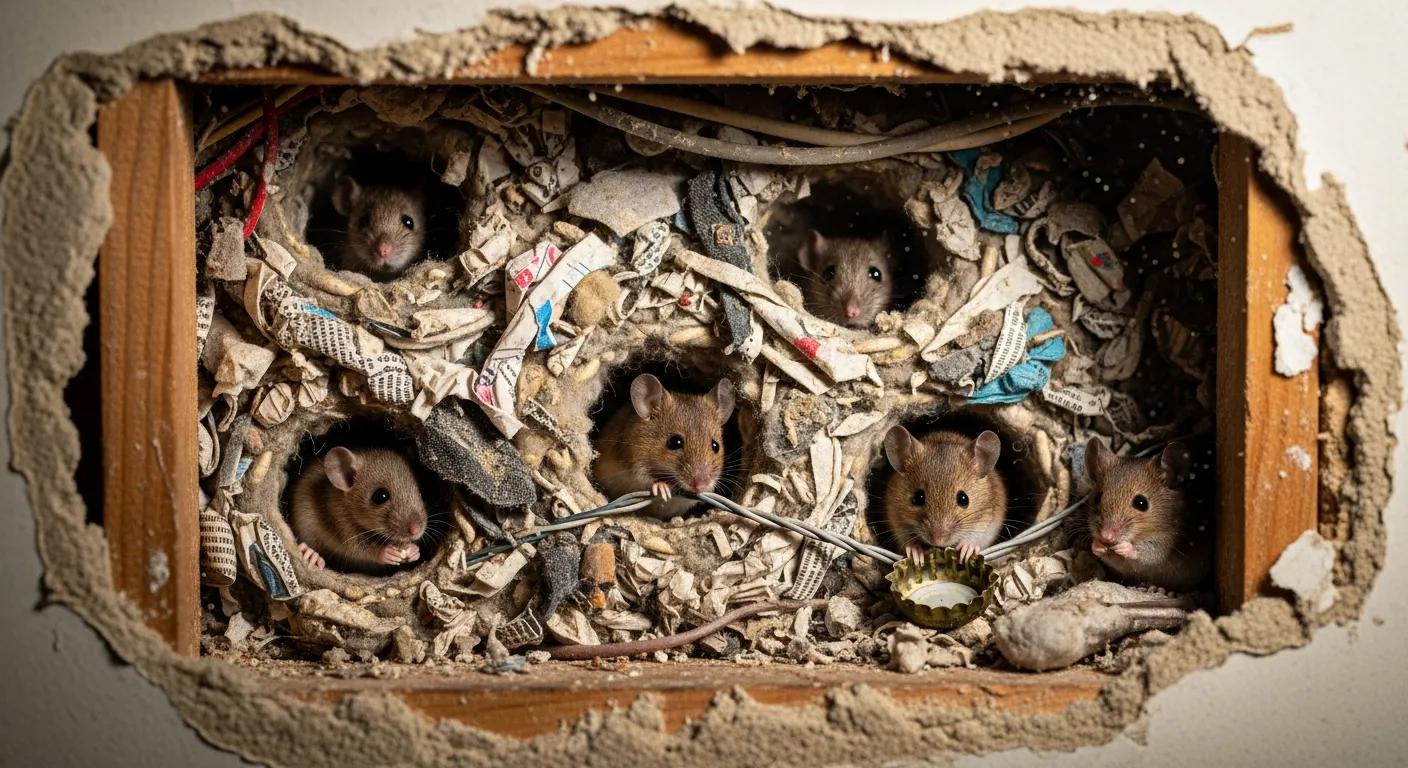
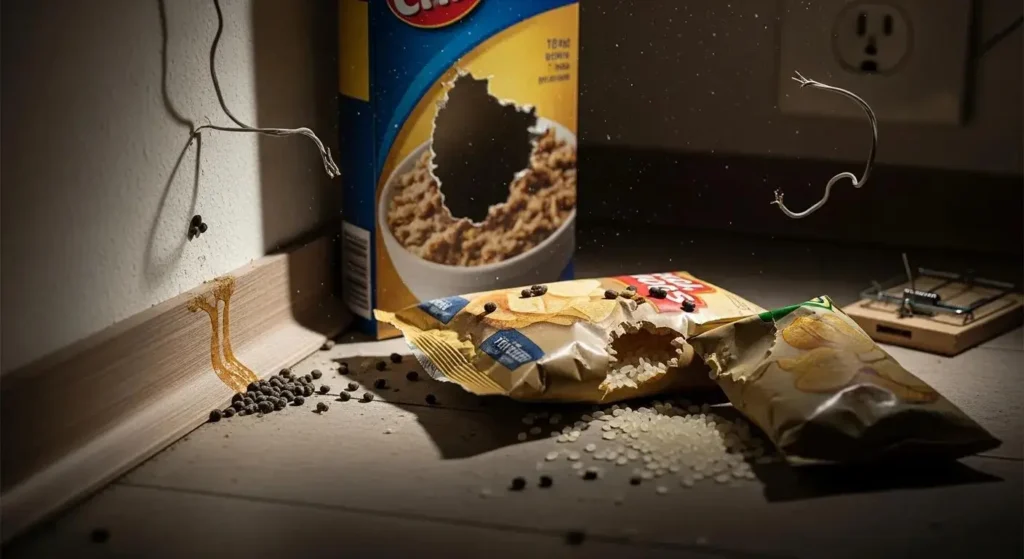
Finding rodent infestations early depends on recognizing a handful of repeatable signs that point to active rodents inside wall voids or other hidden areas. Scratching or scurrying sounds, droppings, gnaw marks on wood or wiring, visible entry or exit holes, and musky or ammonia-like odors are the clearest visual and auditory clues. Noting where you see or hear each sign can help identify the species and infestation extent. Catching these early shrinks removal costs and reduces risks — read the short list below to lock the top visual and sensory cues into memory and understand why each matters.
Common early rodent infestation signs to watch for:
- Scratching or scurrying sounds coming from walls, ceilings, or attics, especially during nighttime or early morning — indicating active rodent movement inside.
- Rodent droppings scattered near wall bases, cupboards, or entry points — evidence of rodent presence and activity.
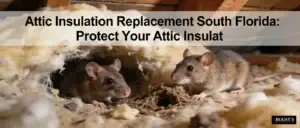
- Gnaw marks on wood, wiring, insulation, or stored items — signs of rodents chewing to maintain their teeth and access food or nesting materials.
- Visible holes or cracks in siding, trim, or foundation where rodents enter and exit.
- Musky or ammonia-like odors emanating from walls or enclosed spaces — a sign of rodent urine and nesting.
Each sign reveals different aspects of rodent behavior. Photograph and document what you find so you can prioritize inspection areas and decide whether to call a professional right away.
Recognizing Scratching Sounds and Their Significance in Rodent Activity
Scratching or scurrying sounds are produced by rodents moving, gnawing, and nesting inside wall cavities, attics, or crawlspaces. These sounds are often most noticeable during quiet nighttime hours when rodents are active. Listen carefully near suspected infestation areas such as vents, cracks, or holes in siding or foundation. The intensity and frequency of scratching can indicate colony size and activity level. Photograph or record the location and timing of sounds without disturbing the wall to preserve evidence for a professional. Multiple scratching spots or continuous sounds usually mean a well-established infestation that needs prompt attention.
Treat scratching as diagnostic evidence, not something to ignore or attempt to seal immediately. Leaving the area undisturbed until a trained inspector evaluates it helps ensure safe and effective removal.
Identifying Rodent Droppings and Distinguishing Them from Other Debris
Rodent droppings are small, dark, pellet-shaped feces typically found near nesting or feeding areas. They vary in size depending on the species but are generally about 1/4 to 1/2 inch long. Unlike other debris, droppings have a distinct shape and texture and may crumble when touched. Check for droppings near cracks, vents, or holes and compare texture and location to rule out other sources. Finding droppings near wall voids or storage areas raises the chance of a rodent infestation and should trigger a targeted inspection.
Photograph droppings where you find them and don’t clean them up before inspection — preserving the evidence helps professionals identify the pest and choose the right removal method.
DIY Rodent Infestation Inspection Checklist for Rosser Reserve Homes
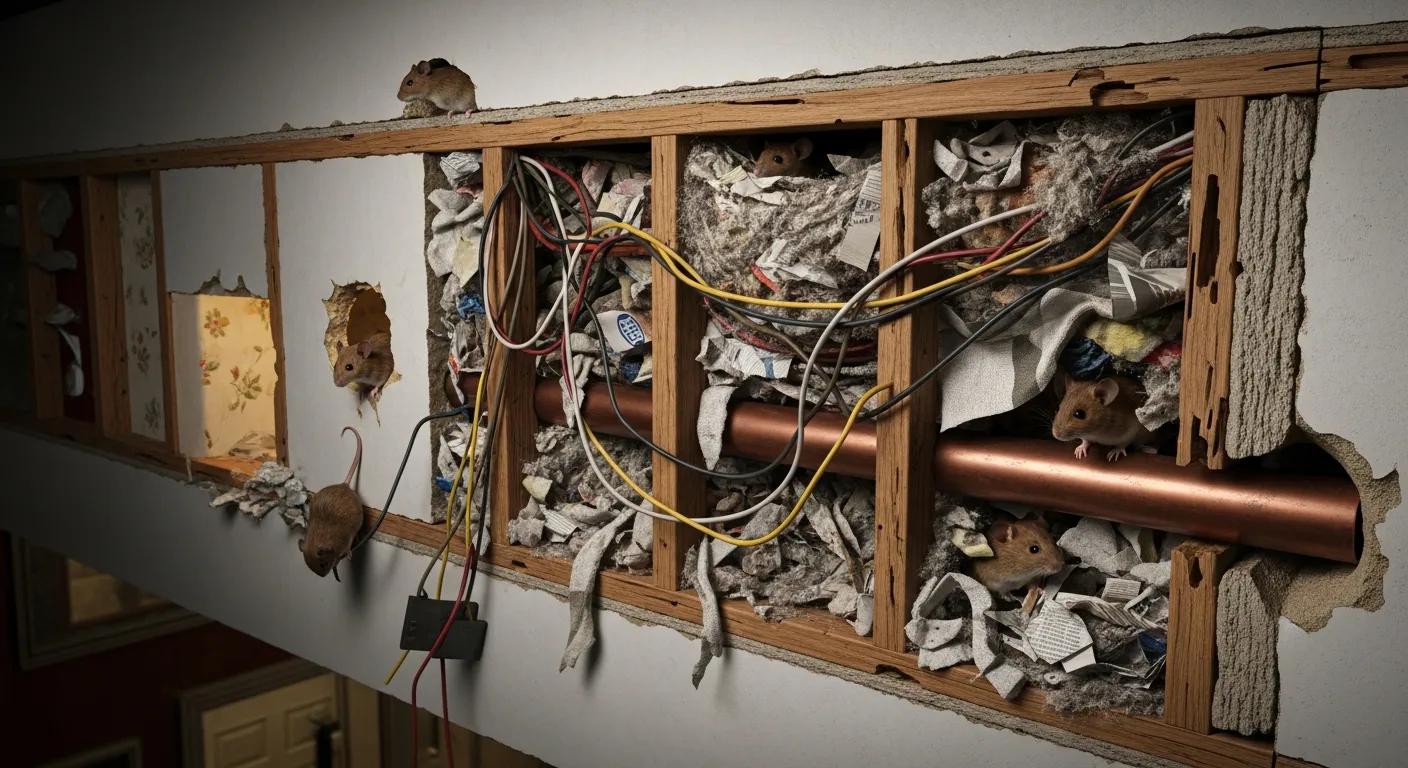
Regular DIY inspections catch signs before infestations cause major damage or safety risks. Check at least once a year and after seasonal changes when rodents are most active. A good inspection combines listening for scratching, visual scanning for entry holes, droppings, and gnaw marks, and simple tools like a flashlight and moisture meter to confirm conditions that favor rodent nesting. Focus on exterior walls, vents, eaves, attics, crawlspaces, and areas where wood or siding shows damage. The numbered checklist that follows gives a clear sequence to follow, and the table maps inspection areas to what to look for and what to do next.
Follow this step-by-step inspection checklist:
- Listen carefully: Approach walls and attics quietly during nighttime or early morning and listen for scratching or scurrying sounds near vents, cracks, or holes.
- Inspect exterior walls and foundation: Look for small holes, cracks, or damaged siding where rodents may enter or exit.
- Check for droppings and gnaw marks: Look for rodent droppings, chewed wood, wiring, or insulation near wall bases, vents, or under suspected entry points.
- Observe rodent activity: Watch for rodents clustering or moving repeatedly near specific wall areas or around food sources.
- Document findings: Photograph evidence, record exact locations, and avoid sealing or disturbing holes before professional evaluation.
Intro to the inspection-area table: The table below pairs priority inspection zones with clear visual and auditory indicators and recommended homeowner actions — use it as a quick reference during patrols.
| Area to Inspect | What to Look For | Immediate Action |
|---|---|---|
| Exterior Walls / Foundation | Entry holes, cracks, damaged wood or siding | Photograph holes; avoid sealing; note locations for pro inspection |
| Vents and Eaves | Scratching sounds, rodent activity, droppings | Listen carefully; document activity; keep vents clear but do not block |
| Wall Bases and Storage Areas | Rodent droppings, gnaw marks, nesting materials | Collect photos; avoid cleaning debris; prepare for professional removal |
| Attics and Crawlspaces | Scratching, nesting materials, rodent sightings | Wear protective gear; photograph evidence; schedule inspection |
| Nearby Trees and Shrubs | Rodent travel paths, nesting near walls | Trim vegetation away from walls; reduce nesting habitat |
Essential Home Areas to Inspect for Rodent Infestations
Focus on these zones every time you inspect: exterior walls and foundation, vents and eaves, wall bases and storage areas, attics and crawlspaces, and nearby vegetation. These spots concentrate the access points and nesting habitats rodents exploit in Rosser Reserve. Exterior walls reveal entry holes and droppings; vents and eaves often amplify scratching sounds; wall bases collect droppings and gnaw marks; attics and crawlspaces may harbor hidden nests; and nearby trees or shrubs can provide nesting sites close to your home. Regular checks and good notes reduce the chance that hidden infestations grow unnoticed.
Consistently monitoring high-risk zones makes any follow-up by professionals faster and boosts the odds of catching infestations early, before major removal work is needed.
Tools and Safety Measures for Effective Rodent Detection
Basic homeowner tools — flashlight, magnifying glass, moisture meter, ladder, gloves, and safety glasses — let you inspect safely without specialist gear. Listen quietly near suspected areas and avoid disturbing rodents to reduce bite or disease risk. In attics and crawlspaces, wear a respirator or dust mask and protective clothing because insulation and rodent droppings can pose hazards; use a stable ladder and have someone nearby for safety. If you need thermal imaging or other advanced tools to find hidden nests, that’s a reliable cue to call a trained inspector with the right equipment and experience.
Using the right tools and precautions gets the most from DIY checks while minimizing risk and avoiding accidental damage or exposure.
Common Visual and Auditory Indicators of Rodent Infestations Within Walls
Rodent infestations often show up as scratching or scurrying sounds inside walls or attics, small entry holes, droppings, gnaw marks, and increased rodent activity near specific wall areas. Heavier infestations may produce musky or ammonia-like odors from urine and nesting materials. Entry holes are usually round or irregular and about the size of a quarter or smaller. Scratching generally intensifies during quiet nighttime hours. Observing these signs together helps you decide whether to probe further or call a professional.
Knowing how these signs work together helps homeowners prioritize checks and pick the right next step — noninvasive tests or a pro assessment.
When to Engage a Professional for Rodent Inspection and Removal
Call a professional when you find definitive signs — active scratching sounds, visible entry holes, droppings, or increased rodent activity — because trained inspectors confirm species, locate nests, and recommend targeted removal treatments. Pros use systematic visual surveys, safe removal techniques, and tools to find hidden activity DIY methods may miss, and they document findings so removal matches severity. In Rosser Reserve, where rodent species can multiply rapidly and cause damage or health risks, schedule a pro inspection after spotting multiple signs or when safety concerns arise. The table below summarizes common professional services, what they include, and when to choose each so you can pair severity with the right solution.
| Service | What It Includes | When to Choose |
|---|---|---|
| Full Inspection | Visual survey, sound detection, entry hole mapping | When any active signs (scratching, holes, droppings) are present |
| Rodent Removal and Exclusion | Safe extraction of rodents and sealing of nests | For active infestations inside walls or structures |
| Structural Repair | Repair of damaged wood, wiring, or siding after removal | When infestation has caused material damage |
| Preventive Sealing and Treatment | Sealing entry points and applying deterrents | After removal to prevent re-infestation |
If you’re considering professional help, Bugsy’s Pest Solutions follows a clear three-step process — inspection, customized strategy, and precision removal — with options tailored to local species and homeowner priorities. We offer family- and pet-friendly approaches, attic sanitation, and insulation work where needed, plus free estimates and guarantees backed by local Rosser Reserve experience and veteran-owned leadership. If inspection reveals active infestations or structural risk, requesting a free estimate gives you a documented plan and the next steps.
That local, assessment-based approach fits Rosser Reserve conditions and helps homeowners choose targeted solutions that minimize disruption while maximizing long-term protection.
Effective Strategies to Prevent Rodent Infestations in Rosser Reserve
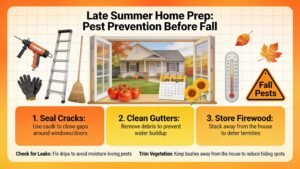
In Rosser Reserve, prevention focuses on sealing cracks and holes, reducing nearby nesting habitat, and maintaining proper ventilation to discourage rodents from nesting in walls and attics. Simple maintenance — sealing gaps in siding and trim, repairing damaged vents, trimming vegetation away from walls, and storing firewood away from the house — removes common attractants for rodents. Proper attic and crawlspace ventilation and insulation that won’t trap moisture also lower humidity levels that can attract rodents. The checklist below lists practical actions you can take now, and the short note after explains how attic sanitation and insulation fit into an integrated prevention plan.
Key prevention actions to implement now:
- Seal cracks, holes, and gaps in siding, trim, vents, and around utility penetrations with appropriate materials.
- Trim trees, shrubs, and vines away from walls to reduce rodent access and nesting sites.
- Maintain and repair vents to prevent rodent entry while allowing airflow.
- Store firewood and other potential nesting materials away from the house footprint.
- Improve attic and crawlspace ventilation and replace or correct insulation that traps moisture or hides activity.
Routine attention to these points reduces the conditions that attract rodents and complements regular inspections.
As part of prevention, attic sanitation and insulation replacement remove nesting materials and fix moisture traps that can undermine removal efforts. When insulation is contaminated or poorly installed, replacing it reduces rodent attraction and long-term risk. Including attic work in your rodent prevention plan closes gaps some treatments miss and supports a healthier, drier building envelope in Rosser Reserve’s environment.
Landscaping and Maintenance Tips to Minimize Rodent Threats
Aim landscaping and exterior maintenance at reducing nesting habitat near walls, limiting dense vegetation, and keeping shrubs or beds a safe distance from siding to avoid providing cover for rodents. Clean gutters, repair damaged siding, and avoid storing materials like firewood or debris near the foundation. Check the landscape after storms and trim plants to prevent contact with walls so rodents lose easy travel routes.
These landscaping and maintenance steps work with inspection routines and removal treatments by removing the environmental conditions rodents use to establish infestations.
Maintaining Proper Ventilation and Sealing Entry Points to Safeguard Your Home
Sealing foundation cracks, weather-stripping utility penetrations, and installing screened vents where needed reduces easy access to wall cavities. At the same time, proper attic and crawlspace ventilation lowers interior humidity and discourages nesting. Use caulk and correctly sized vent covers for small gaps, keep crawlspace vents clear to allow airflow, and add mechanical ventilation or a dehumidifier when passive ventilation won’t keep humidity in check. Install insulation so it prevents thermal bridging without trapping moisture against sheathing — if insulation is wet or contaminated, replace it and sanitize the attic. Together, sealing and ventilation create a drier, less inviting environment for rodents and other pests.
A coordinated sealing and ventilation program supports removal efforts and lowers the chance and severity of future infestations.
Get Your Complimentary Rodent Infestation Estimate Today
Worried About Rodents Inside Your Walls?
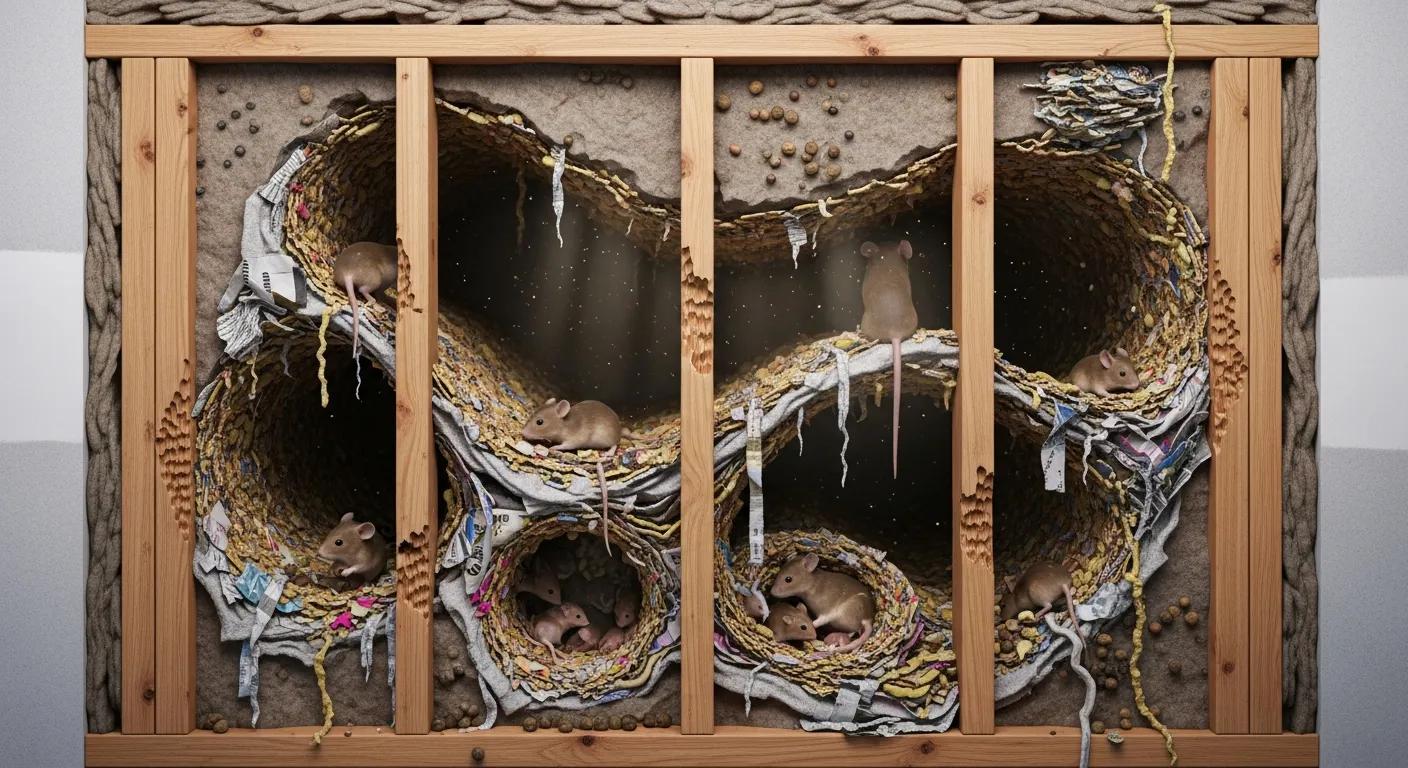
If you find scratching, entry holes, droppings, or anything that makes you uneasy after a DIY check, consider requesting a free estimate from a local provider that focuses on inspection-driven, customized plans and family- and pet-friendly options. Bugsy’s Pest Solutions — veteran-owned and led by Zachary Bernstein with pest-management training — offers inspection, tailored strategy, precision removal, and attic/insulation options when needed. Request a free estimate to document findings, review professional protection, and get local Rosser Reserve expertise on your side. Scheduling an inspection after you document signs ensures removal choices are based on an accurate diagnosis and helps protect your home before damage grows.
Frequently Asked Questions
What are the most effective methods for preventing rodent infestations in Rosser Reserve?
Preventing rodent infestations in Rosser Reserve centers on sealing entry points, reducing nearby nesting habitat, and maintaining proper ventilation. Seal cracks and holes, repair vents, trim vegetation away from walls, and store firewood away from the house. These steps make your home less attractive to rodents and significantly reduce infestation risk.
How often should homeowners conduct rodent inspections?
Do a full rodent inspection at least once a year, and add inspections during seasonal changes when rodents are most active. Rosser Reserve’s environment makes regular checks essential. If you spot scratching, entry holes, or droppings, schedule an inspection right away to limit damage and safety risks.
What should I do if I find signs of rodent infestations?
If you find scratching, entry holes, or droppings, act quickly. Photograph the evidence, note exact locations, and don’t disturb the signs. Contact a professional pest control service for a thorough inspection and assessment — they’ll confirm species and recommend a removal plan tailored to your home. Early action minimizes damage and safety hazards.
Are there any DIY methods for treating rodent infestations?
DIY options for rodent removal are limited and often unsafe due to bite risks and hidden nests. While some traps or repellents exist, they rarely provide complete removal. For serious infestations, it’s best to combine DIY vigilance with a professional inspection and removal to ensure a complete, long-lasting solution.
How can I differentiate between rodent infestations and other pest or wood issues?
Rodent infestations usually produce scratching sounds, entry holes, droppings, and gnaw marks, while carpenter ants leave irregular wood shavings and hollow galleries without scratching. Wood rot causes soft, discolored wood and mold but no scratching or droppings. A moisture meter helps map wet areas, and probing can reveal galleries. When multiple issues appear, get professionals to coordinate pest control and moisture remediation.
What are the long-term risks of ignoring rodent infestations?
Ignoring rodents can lead to structural damage, contamination from urine and droppings, and safety risks from bites or disease transmission. Insurance often won’t cover pest damage, leaving homeowners to pay out of pocket. Early detection and removal preserve property value and safety.
What role does professional pest control play in rodent management?
Professional pest control brings expertise, specialized tools, and tailored plans. Trained inspectors identify species, find hidden nests safely, and recommend removal methods that match the problem. Regular professional inspections and targeted removal provide long-term protection and reduce the risk of expensive future damage.
Take Action Now to Protect Your Home
Ready to safeguard your property? Request a free estimate to get expert advice and a customized rodent control plan.
Learn more about our rodent control services and how we can help you maintain a rodent-free home.
Explore attic sanitation and insulation replacement options to prevent future infestations and protect your home environment.