

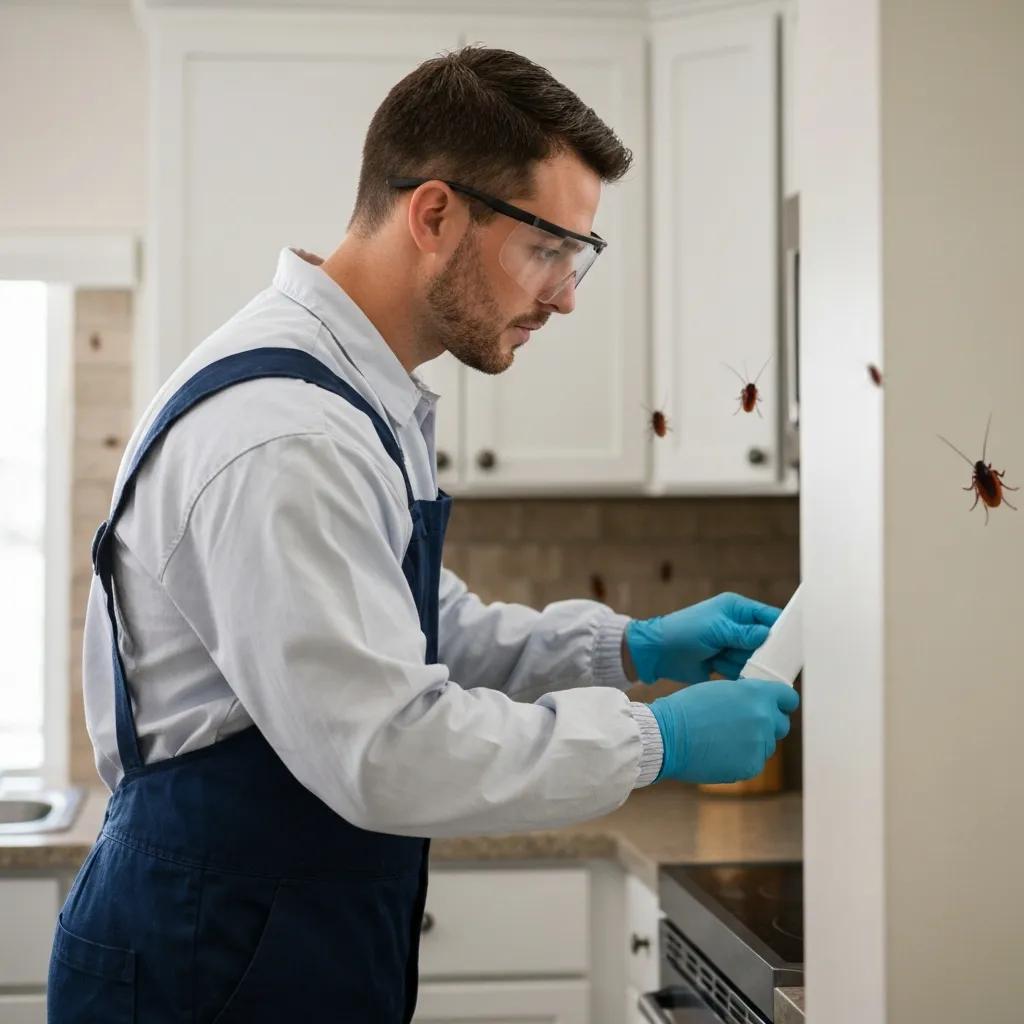
Cockroaches are common in Boca Raton. The year‑round warmth and high humidity make it easy for roaches to breed and survive. This guide walks you through how to identify the species you’re likely to find at home, spot early infestation signs, understand health concerns, and take practical prevention and treatment steps that actually work in South Florida. You’ll get species‑specific traits for German, American (Palmetto bug), brown‑banded and smokybrown roaches, clear inspection and exclusion checklists, and realistic cost expectations for professional work. At the end, we explain how Bugsy’s Pest Solutions handles cockroach control locally — including free estimates and family‑safe, eco‑minded options for homeowners across Palm Beach, Broward, and St. Lucie Counties. If you’d rather have us handle it, Bugsy’s offers free estimates and scheduling with a veteran‑owned, family‑run team focused on safe, effective roach control for Boca Raton homes.
Why Do Cockroaches Thrive in Boca Raton’s Climate?
Cockroaches do well in Boca Raton because persistent warmth, high humidity, and common urban landscaping give them steady food, moisture, and shelter. Warm weather speeds up development from egg to adult, while humidity protects eggs and nymphs from drying out. Older plumbing, dense plantings, and plentiful food waste around properties create nearby harborage and foraging areas, so infestations can stay active year‑round. Knowing these drivers helps homeowners focus on moisture control and exclusion as primary prevention tactics to lower reproduction and long‑term infestation risk.
How Does South Florida’s Humidity Affect Cockroach Infestations?
High humidity in South Florida shortens cockroach development times and raises egg and nymph survival, so populations can grow fast without a cold season to slow them down. Damp spots — under sinks, near HVAC units, attics with roof leaks, and irrigated landscape beds — create tiny habitats where roaches feed and breed. For homeowners, that means fixing leaks, using dehumidifiers in tight spaces, and improving attic ventilation can significantly reduce breeding success. Lowering humidity is a practical, non‑chemical layer of control that pairs well with baiting and exclusion.
Which Cockroach Species Are Most Common in Boca Raton?

Several species dominate in Boca Raton, and each has different habits and control challenges that shape treatment choices.
German cockroaches prefer kitchens and bathrooms indoors, reproduce rapidly, and usually need bait‑focused, targeted programs. American cockroaches (Palmetto bugs) like moist outdoor harborage and can enter homes from sewers or landscaping — perimeter work and exclusion are important. Smokybrown roaches live in warm, vegetated exteriors and are drawn to lights, while brown‑banded roaches hide in furniture and electronics. Identifying the species helps set treatment priorities and bait or residual placement.
Below is a quick comparison of the most common species and what they mean for treatment.
| Species | Typical Size & Appearance | Habitat & Behavior |
|---|---|---|
| German cockroach | Small (1/2–5/8″), light brown with two dark parallel stripes | Indoor kitchens and bathrooms; fast breeder; often hardest to control |
| American cockroach (Palmetto bug) | Large (1.5–2″), reddish‑brown with yellowish figure‑8 on pronotum | Outdoors near drains and landscaping; enters homes; moderate control difficulty |
| Smokybrown cockroach | 1–1.25″, uniformly dark brown | Favours warm, vegetated exterior harborage; attracted to lights; moderate difficulty |
| Brown-banded cockroach | 1/2″, banded markings | Hides in ceilings, furniture, and appliances; often hard to detect early |
What Are the Signs of a Cockroach Infestation in Boca Raton Homes?
Cockroach infestations leave clear signs homeowners can use to catch problems early and get targeted help. Live roach sightings — especially in daytime — usually mean a heavy infestation. Droppings and egg cases help identify species and how long the problem’s been active. A musty, oily odor can point to a large population in wall voids or attics, and smear marks along baseboards often mark regular travel paths. Spotting these signs early makes DIY steps and professional treatments more effective.
How to Recognize Visual Sightings and Live Roaches?
Seeing live roaches during the day is often a red flag: most species are nocturnal and hide during daylight. Common sighting spots include behind refrigerators, under stoves, inside cabinets, around drains, and in crawlspaces or attics with moisture. If you see one, photograph it for ID, don’t crush it (that can spread allergens), and temporarily secure food and garbage to reduce attractants while you arrange an inspection. Quick documentation and basic sanitation speed up professional diagnosis and targeted treatment.
What Do Cockroach Droppings and Egg Cases Look Like?
Droppings vary by species: German roach droppings look like tiny pepper flakes, while larger American roaches leave cylindrical pellets similar to coffee grounds. Egg cases (oothecae) are capsule‑shaped, brown or tan, and may hide behind appliances, inside furniture, or in wall voids; their presence shows ongoing reproduction. Photograph samples and, if safe, seal them in a container to share with pest professionals for accurate ID and bait strategy. For cleanup, wear gloves, use a HEPA vacuum, and seal waste in bags to reduce allergen exposure.
How Can Unpleasant Odors Signal a Roach Problem?
A persistent musty or oily smell often comes from built‑up roach pheromones, body oils, and waste and usually signals a large, established infestation. The odor’s strength tends to match infestation size because these chemicals accumulate in voids and harborages. If you smell this, treat it as a high‑priority cue to schedule an inspection. Odors can linger after treatment and may require repeat sanitation and professional follow‑up to remove the chemical cues that attract roaches back. A thorough inspection will help locate dense harborages.
What Are the Health Risks of Cockroaches for Boca Raton Families?
Cockroaches are more than a nuisance — they increase indoor allergen levels and can contaminate food and surfaces with bacteria, posing real risks to families, especially children and people with asthma. Allergens from droppings, shed skins, and saliva can worsen asthma and trigger allergic reactions; heavy infestations raise indoor exposure considerably. Roaches can also mechanically transfer pathogens like Salmonella from sewers or trash to kitchen surfaces. These risks make prompt sanitation, exclusion, and professional control important for household health.
How Do Cockroaches Trigger Allergies and Asthma?
Cockroach allergens live in feces, saliva, and shed skins and can become airborne or settle on surfaces where people breathe or eat, worsening respiratory symptoms in sensitized individuals. Research links cockroach exposure to increased asthma problems in children who live in infested homes, so lowering indoor allergen sources matters. Practical steps include HEPA vacuuming, washing bedding, sealing food, and hiring professional pest control to cut populations and allergen deposits. Combining sanitation with targeted treatment reduces exposure and often leads to health improvements over time.
Which Diseases Can Cockroaches Spread in South Florida?
Cockroaches can carry bacteria, protozoa, and parasite eggs on their bodies and through fecal contamination of food prep surfaces, raising the risk of gastrointestinal illnesses like salmonellosis and gastroenteritis. Transmission usually happens when roaches contaminate utensils, countertops, or stored food after contacting sewers, trash, or animal feces. The risk grows with infestation severity and poor sanitation, so cleaning, better food storage, and professional control together lower contamination events. Cutting off access to food and water is the key way to interrupt transmission.
How Does Bugsy’s Pest Solutions Exterminate Cockroaches in Boca Raton?
Bugsy’s Pest Solutions follows an inspection‑driven, customized approach to cockroach control that emphasizes eco‑friendly, pet‑ and family‑safe methods and provides free estimates to Boca Raton homeowners. We organize work into three clear stages — thorough inspection, a tailored treatment plan, and precise exclusion plus monitoring — each built around species behavior and local climate drivers. As a veteran‑owned, family‑operated team serving Palm Beach, Broward, and St. Lucie Counties, Bugsy’s chooses safe products, documents findings, and offers follow‑up guarantees. You get a written plan, clear recommendations, and follow‑up schedules based on integrated pest management (IPM) principles.
Here’s what clients can expect from Bugsy’s process.
- Comprehensive Inspection: We document evidence, identify species, and locate moisture and harborage.
- Customized Strategy: We pick baits, monitors, and exclusion tactics tailored to the findings.
- Precision Treatment & Follow-up: We apply targeted treatments, seal entry points, and monitor results.
| Process Step | Actions | Benefit |
|---|---|---|
| Inspection | Species ID, harborage mapping, moisture and entry point assessment | Targets treatment and informs materials and placement |
| Customized Strategy | Bait selection, residual placement, exclusion plan | Limits chemical use while improving effectiveness |
| Precision Treatment | Targeted baits, crack‑and‑crevice work, exterior perimeter treatment | Quick population reduction with minimal exposure |
| Monitoring & Follow-up | Trap placement, scheduled check‑ins, re‑treatments as needed | Ensures long‑term control and confirms success |
This workflow shows how a documented, inspection‑led approach delivers safer, longer‑lasting control than one‑size‑fits‑all treatments.
What Happens During Bugsy’s Thorough Cockroach Inspection?
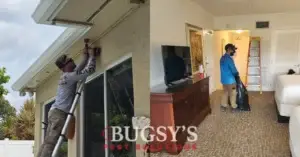
During a full inspection, our technicians check kitchens, bathrooms, attics, crawlspaces, and exterior perimeters for live roaches, droppings, egg cases, and likely entry points, while also noting moisture and sanitation issues that keep populations going. The inspection includes species identification, photos, and a written report with recommended interventions and timelines. We ask homeowners to clear under‑sink areas and note sighting locations to speed diagnosis. The inspection becomes the roadmap for a tailored treatment plan and sets realistic expectations for follow‑ups and costs.
How Is a Customized Treatment Strategy Developed?
We build a customized strategy by matching species behavior and infestation level to the right tactics — German roaches typically need concentrated gel baits and interior monitors, while American roaches often require perimeter barriers and outdoor sanitation. Factors like species ID, harborage location, household occupants (kids, pets), and structural access guide product choice and placement. Following IPM, Bugsy’s prioritizes exclusion and targeted baits before broader residual sprays. That targeted approach improves outcomes and avoids unnecessary treatments.
What Is Included in the Precision Treatment and Exclusion Process?
Precision treatment involves placing bait stations in kitchens and bathrooms, doing crack‑and‑crevice work in structural voids, and applying targeted residuals around likely entry points. We pair treatments with physical exclusion: sealing gaps around pipes, vents, and doors using long‑lasting materials like silicone caulk, door sweeps, and mesh. If we find harborages near attic insulation or vents, we combine sanitation and repairs to remove those shelters. Together, these tactics reduce reservoirs and block recolonization routes.
How Does Ongoing Protection and Monitoring Work?
Ongoing protection relies on routine monitoring with traps and visual inspections, scheduled follow‑ups based on infestation severity (initial checks then quarterly or as needed), and homeowner communication to report sightings or damaged exclusions. Monitoring traps track population trends and species presence so we can re‑treat only where needed instead of spraying everywhere. Bugsy’s includes documented follow‑ups and re‑treatment guarantees when infestations persist, helping homeowners keep control long term. Your role — sanitation, sealing, and quick reporting — complements our work and helps sustain results.
How Can Boca Raton Homeowners Prevent Cockroach Infestations?
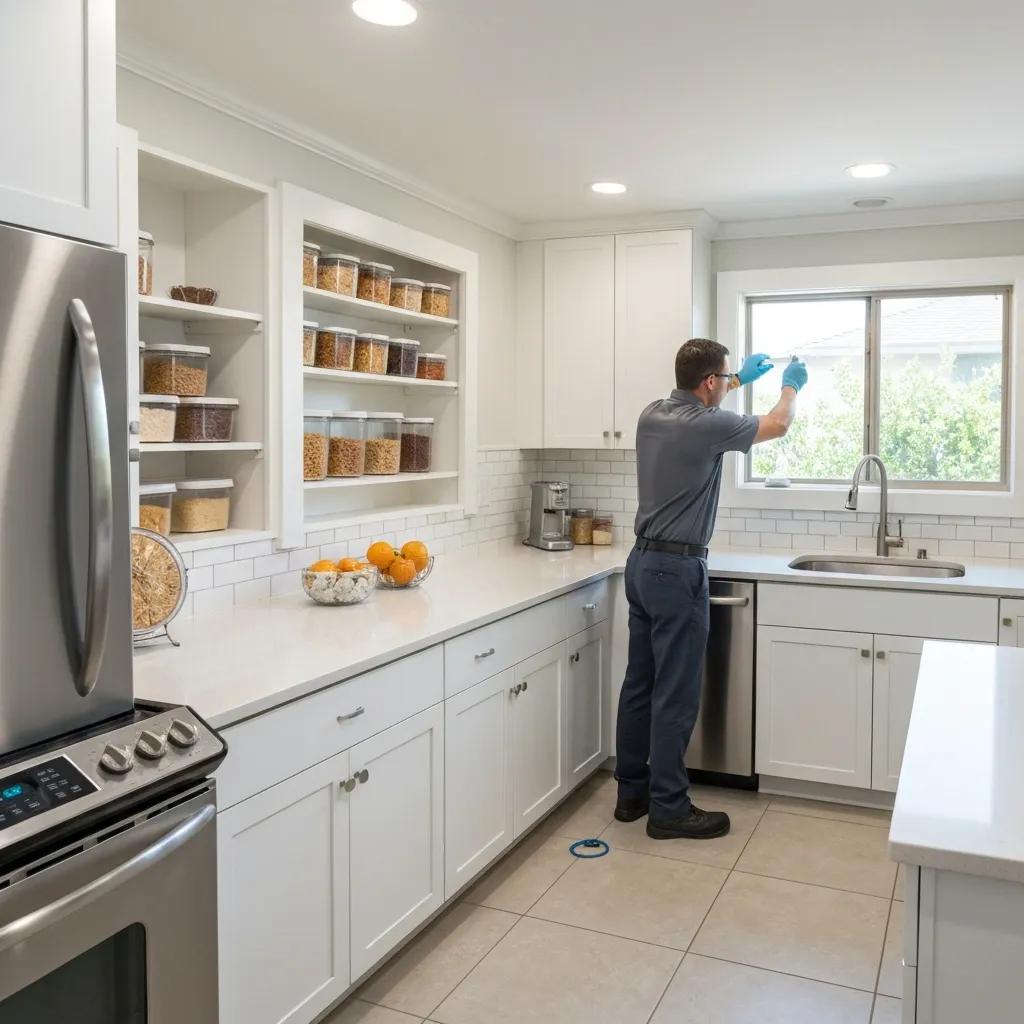
Preventing roaches combines exclusion, sanitation, moisture control, and landscape management to make your home unattractive and inaccessible — especially important in Boca Raton’s climate. Strong prevention reduces the need for chemicals and lowers long‑term costs by breaking breeding cycles and removing food and water sources. Homeowners who follow a regular checklist and seasonal checks can sharply reduce infestation risk and get better results from any professional service they hire.
Key prevention priorities for homeowners include:
- Seal common entry points and maintain the building envelope.
- Eliminate accessible food and water by improving storage and making repairs.
- Reduce clutter and outdoor attractants that give roaches shelter and migration paths.
What Are the Best Ways to Seal Entry Points Against Roaches?
Start by inspecting and prioritizing gaps around pipes, utility penetrations, vents, doors, and windows, then use durable fixes like silicone caulk, door sweeps, and fine mesh screening. Check foundations, weatherstripping, and attic penetrations seasonally and after renovations to keep the envelope tight. For larger gaps use backer rod plus caulk or foam sealants; for vents, insect‑proof screens maintain airflow while blocking pests. When defects are extensive or in high‑risk areas, a professional exclusion service ensures a thorough, lasting job.
- Target gaps around plumbing penetrations, HVAC lines, and exterior vents.
- Install door sweeps and replace damaged weatherstripping.
- Use mesh screening on foundation vents and attic openings.
How to Eliminate Food and Water Sources That Attract Cockroaches?
Good food and waste management cuts roach attractants: store pantry staples in airtight containers, wipe up crumbs and grease right away, and keep pet food sealed and removed overnight. Fix leaky faucets, insulate cold‑water lines to prevent condensation, and ensure proper drainage around your foundation to remove standing water. Secure trash lids, take out garbage frequently, and clean bins to remove daytime food sources. These simple sanitation steps directly reduce the resources roaches need to survive and reproduce.
Why Is Reducing Clutter and Outdoor Attractants Important?
Clutter gives roaches shelter and makes detection and treatment harder because it creates undisturbed hiding spots near food and moisture. Outdoor attractants like wood piles, heavy mulch, and bright exterior lights near entryways draw nocturnal roaches close to the house and increase migration pressure. Remove cardboard, organize storage, and keep vegetation trimmed away from the foundation to reduce shelter and pathways. Combined with targeted professional exterior treatments, these landscape steps lower the chance of reinfestation.
What Is the Cost of Cockroach Extermination Services in Boca Raton?
Cockroach control costs in Boca Raton vary by service type, infestation severity, species, and property access. Transparent price ranges help homeowners budget and compare proposals. Initial inspections with treatment typically fall into a local range and include species ID, a written report, and the first targeted application; follow‑ups and quarterly maintenance have different per‑visit rates and scopes. Price drivers include infestation size, need for exclusion repairs, attic or insulation access, and follow‑up frequency. Homeowners should request a free on‑site estimate for an accurate quote — Bugsy’s Pest Solutions offers free estimates and explains cost drivers clearly.
| Service Type | Typical Cost Range | What’s Included |
|---|---|---|
| Initial inspection & treatment | $150–$250 | Full inspection, species ID, initial targeted baiting/treatment |
| Follow-up / targeted re-treatment | $60–$150 per visit | Monitoring traps, targeted bait refresh, light crack‑and‑crevice work |
| Quarterly maintenance | $100–$300 per visit | Scheduled monitoring, perimeter treatments, preventative exclusion checks |
These figures are ballpark estimates; exact quotes require an on‑site assessment because factors like severity, access, and structural repairs vary.
How Much Does an Initial Cockroach Inspection and Treatment Cost?
An initial inspection and treatment generally falls within the range shown above and includes a full property assessment, species identification, documentation of findings, and an initial targeted treatment such as bait placement and localized residuals. Final price depends on infestation extent, whether multiple interior treatments or exterior perimeter work are needed, and any recommended exclusion repairs. Expect a clear written estimate that itemizes activities and follow‑up recommendations. For a no‑obligation, site‑specific quote for your Boca Raton home, contact Bugsy’s Pest Solutions.
What Are the Costs for Quarterly or Follow-Up Services?
Quarterly maintenance reflects scheduled prevention work that lowers long‑term reinfestation risk and typically includes monitoring trap checks, targeted bait refreshes, perimeter treatments, and minor exclusion touches as needed. These visits usually cost less per visit than emergency call‑outs because they prevent population rebuilds. Investing in recurring service can reduce lifetime expense by avoiding repeated intense treatments and cutting allergen buildup. Bugsy’s provides personalized estimates and guarantees for follow‑up cadence based on inspection findings and homeowner needs; to schedule a free, site-specific estimate, use the company contact details to book.
This cost guidance should help homeowners compare one‑time treatments with ongoing maintenance and decide when professional intervention makes sense.
Frequently Asked Questions
What are the most effective DIY methods for cockroach control?
Effective DIY steps include keeping things clean, sealing entry points, and using traps. Regularly clean kitchens and dining areas to remove crumbs and grease, store food in airtight containers, and seal cracks and gaps around doors, windows, and pipes. Simple traps — or bait mixes like sugar and baking soda — can reduce numbers, and diatomaceous earth placed where roaches travel will dehydrate and kill them on contact. These methods can help with small problems but may not be enough for heavy infestations.
How long does it take to eliminate a cockroach infestation?
Time to eliminate roaches varies with severity and species. With professional treatment you’ll often see noticeable results in a few days to a week, but full eradication can take several weeks — especially for fast‑breeding species like German cockroaches. Consistent follow‑ups and monitoring are essential to make sure eggs and hidden populations are dealt with.
Are there any natural remedies for repelling cockroaches?
Some natural remedies can help deter roaches. Essential oils like peppermint, tea tree, and eucalyptus have repellent properties; mix with water and spray entry points and baseboards. Vinegar and water can clean surfaces and remove scent trails. These steps may reduce activity but are usually not enough for serious infestations — professional methods are more reliable for heavy or persistent problems.
What should I do if I see a cockroach during the day?
Daytime sightings often point to a significant infestation since most roaches are nocturnal. Document where and when you saw it, photograph the specimen if possible, and don’t crush it to avoid spreading allergens. Capture it safely if you can, then call a pest professional for inspection and a treatment plan. Quick action helps prevent the problem from growing.
How can I tell if my home is at risk for a cockroach infestation?
Risk factors include easy access to food, moisture, and shelter. Look for crumbs, open food containers, standing water, and cluttered storage — all attract roaches. Regularly check for droppings, egg cases, and musty odors. Taking preventive steps like sealing entry points and keeping up with cleanliness will significantly lower your risk.
What are the benefits of hiring a professional pest control service?
Hiring a professional brings species expertise and proven strategies that improve outcomes. Pros identify the species and behavior, use targeted methods and EPA‑approved products that are safe for families and pets, and provide monitoring and follow‑up to keep control long term. Professionals also save you time and handle the full process from inspection to exclusion and treatment, giving a more thorough and efficient solution.