Even in winter, Boca Raton can experience an unwelcome nuisance: fleas. Because our temperatures and humidity remain mild, fleas can stay active year-round. This means effective flea control is crucial to maintain a comfortable home and healthy pets. This article delves into why fleas persist in winter, outlines essential prevention steps, discusses treatment choices, and offers longer-term strategies specifically for South Florida homes. Understanding the factors driving winter flea activity empowers you to act swiftly and protect your living spaces and beloved pets.
We’ll guide you through the causes of winter flea activity, provide practical prevention tips for homeowners, explore the most effective treatment options, explain how to identify and manage seasonal flare-ups, and share additional advice for lasting control. With clear steps and the right approach, you can keep your home free from fleas with the help of Bugsy Pest Control.
What Causes Winter Flea Activity in Boca Raton Homes?
How Does South Florida’s Climate Affect Flea Behavior in Winter?
South Florida’s warm, humid weather provides an ideal environment for fleas to thrive throughout the year, even during the cooler months. Fleas are highly sensitive to temperature and humidity, which significantly influence their life cycle and reproductive rates. In Boca Raton, winter temperatures rarely drop low enough to halt flea activity, and the consistent moisture in the air supports the survival of eggs and larvae. These conditions collectively make it easier for fleas to persist through what other regions consider their “off-season.”
Which Flea Species Are Most Common in Boca Raton During Winter?
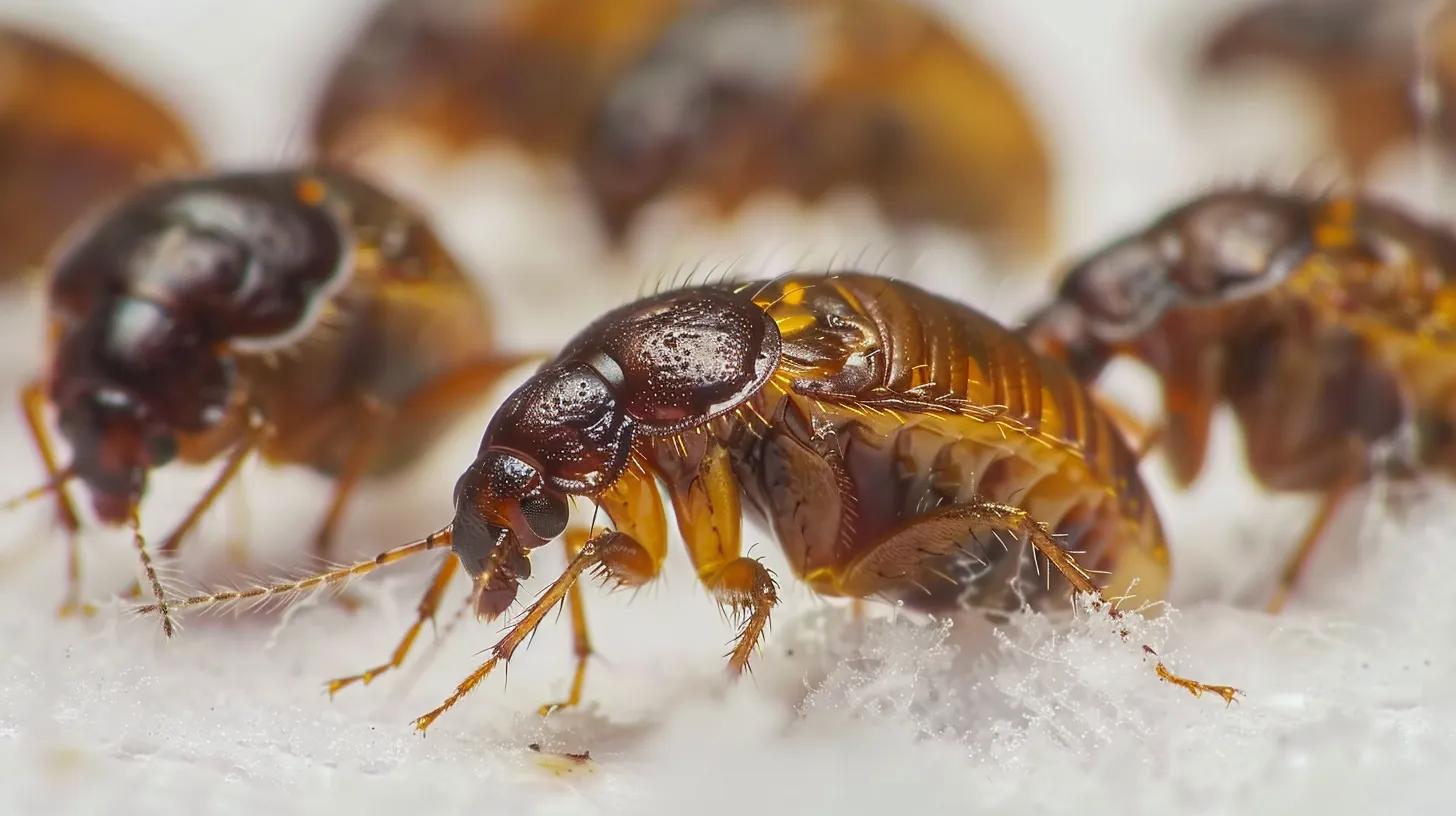
The two most frequently encountered flea species in Boca Raton are the cat flea (Ctenocephalides felis) and, less commonly, the dog flea (Ctenocephalides canis). Both species readily infest homes and can bother both pets and people. Cat fleas are particularly prevalent due to their ability to easily jump between various hosts and their rapid reproduction under favorable conditions. Early detection of signs like flea bites or “flea dirt” is key to managing an infestation effectively.
How Can Homeowners Prevent Flea Infestations in South Florida Winters?
What Are Effective Flea Prevention Strategies for Boca Raton Homes?
- Regular Cleaning: Consistently vacuum carpets, rugs, and upholstery to remove flea eggs and larvae before they can hatch and develop.
- Yard Maintenance: Keep your lawn mowed and shrubs trimmed to minimize shady, humid areas that serve as ideal breeding grounds for fleas.
- Pet Treatments: Administer veterinarian-recommended flea preventives consistently to stop fleas from hitching a ride into your home on your pets.
By combining these proactive steps, you can make your home significantly less appealing to fleas. For enhanced protection, our residential pest control services can further strengthen your defenses against these persistent pests.
How Does Regular Pet Care Reduce Flea Risks in Winter?
Diligent pet care stands as one of the simplest yet most effective ways to mitigate flea risks. Regular grooming helps remove fleas and their eggs from your pet’s fur, while veterinarian-approved topical or oral preventives offer ongoing protection between treatments. Healthy, flea-free pets are your best first line of defense against an indoor infestation.
What Are the Best Flea Treatment Options for South Florida Homes?
When Should You Contact a Boca Raton Flea Exterminator?
It’s time to call a professional when you observe clear signs of an infestation—such as multiple bites on people or pets, visible flea dirt, or when over-the-counter solutions prove ineffective. Professional flea exterminators deliver targeted treatments that reach hidden stages of the flea lifecycle and are designed to prevent re-infestation. Visit our contact page to get prompt assistance.
Which Home Flea Treatments Are Safe and Effective in Winter?
- Flea Sprays: Indoor sprays containing insect growth regulators (IGRs) are effective at killing adult fleas and preventing eggs from developing. These are ideal for treating carpets and furniture.
- Flea Traps: Traps can help monitor flea activity and reduce adult flea populations in specific, confined areas.
- Diatomaceous Earth: A natural option, this fine powder can be dusted in likely hiding places. When used correctly in dry areas, it dehydrates fleas on contact.
For optimal results, these treatments should be used in conjunction with preventive measures, as no single step is typically sufficient on its own to eliminate an infestation.
How to Identify and Manage Seasonal Flea Activity in Boca Raton?
What Signs Indicate a Flea Infestation During South Florida Winters?
- Flea Bites: Look for small, itchy red bumps on people or pets, often concentrated around the ankles and lower legs on humans.
- Flea Dirt: These are tiny black specks (flea feces) found in pet bedding, carpets, or on your pet’s skin. To confirm, dampen a speck on a white paper towel; if it turns reddish, it’s flea dirt.
- Behavioral Changes: Pets that exhibit excessive scratching, biting, or grooming more than usual may be suffering from fleas and require a thorough check.
Catching these signs early allows for rapid intervention, helping you avoid a more widespread and challenging infestation.
How Does Seasonal Flea Activity Impact Home Flea Control Plans?
Flea activity fluctuates throughout the year, and your flea control plan should adapt accordingly. In South Florida, winter can still be a period of significant flea activity. Therefore, it’s wise to increase cleaning efforts and remain diligent with pet preventives before populations have a chance to escalate. Staying proactive, rather than reacting after an infestation has taken hold, makes treatment simpler and far more effective.
Winter Flea Management Strategies for Boca Raton Homes
How Can Landscaping and Yard Maintenance Reduce Flea Populations?
- Plant Selection: Incorporate plants like lavender and rosemary, which can help deter fleas around entry points and patio areas.
- Yard Cleanliness: Regularly remove leaf litter, tall grass, and other debris where fleas and their host animals tend to hide.
- Pest Barriers: Utilize gravel or mulch borders and keep lawn edges meticulously tidy to limit flea movement from your yard into your home.
A well-maintained yard serves as a critical layer of defense against fleas finding their way indoors.
What Role Does Regular Cleaning Play in Preventing Winter Fleas?
- Vacuuming: Vacuum frequently, paying special attention to areas where pets rest, to effectively remove eggs and larvae before they can mature.
- Washing Pet Bedding: Wash pet bedding in hot water on a regular schedule to kill any fleas and eggs present.
- Deep Cleaning: Periodic deep cleaning, including steam cleaning carpets, is highly beneficial for eliminating hidden flea stages that regular vacuuming might miss.
By integrating these cleaning steps into your routine, you can dramatically reduce the likelihood of flea infestations returning.
| Treatment Option | Description | Effectiveness |
|---|---|---|
| Flea Sprays | Indoor insecticides formulated to kill adult fleas and interrupt egg development. | High |
| Flea Traps | Tools that capture adult fleas to help monitor and lower populations. | Moderate |
| Diatomaceous Earth | Natural powder that dehydrates fleas on contact when applied safely in dry areas. | Moderate |
This table summarizes common flea treatment options and their typical performance, helping you select the right combination for your specific situation.
Understanding why winter fleas persist and consistently applying targeted prevention and treatment steps will empower Boca Raton homeowners to protect their homes and pets. With consistent care and the right approach, a flea-free home is well within reach.
Frequently Asked Questions
What are the health risks associated with winter fleas for pets and humans?
Fleas can cause intensely itchy bites and skin irritation in both people and pets. For pets, repeated bites can trigger allergic reactions, lead to skin infections, or—in severe cases—cause anemia. Fleas can also transmit tapeworms and other parasites that affect pets and, less commonly, humans. This underscores why prompt treatment and prevention are so important.
How can I tell if my pet has fleas during winter?
Look for tell-tale signs such as persistent scratching, licking, or grooming, as well as small black specks (flea dirt) in their fur or bedding. You might also discover tiny red bites on your pet’s skin. If you suspect fleas, consult your veterinarian for an accurate diagnosis and a tailored treatment plan.
Are there natural remedies for flea control in winter?
Several natural options can assist in flea control: diluted essential oils like lavender, peppermint, or cedar can act as repellents when used appropriately (never apply undiluted oils directly to pets). Diatomaceous earth can be applied in dry areas to dehydrate fleas. Regular washing of pet bedding and consistent vacuuming are simple, effective natural steps, though severe infestations typically require additional measures.
How often should I treat my pets for fleas in winter?
The frequency of treatment depends on the specific product and the local flea pressure. Many veterinarian-recommended topical or oral preventives are administered monthly, but high-risk situations may necessitate more frequent or year-round protection. Always follow your veterinarian’s advice for the optimal schedule for your pet.
What should I do if I find fleas in my home despite preventive measures?
If fleas appear despite your preventive efforts, act quickly: thoroughly vacuum all floors, rugs, and furniture; wash all pet bedding in hot water; and consider using targeted flea sprays or traps. If the infestation persists, contact a professional pest control service to address all life stages of the fleas and prevent recurrence.
Can fleas survive in cold indoor environments?
Yes, fleas can absolutely survive indoors even when outdoor temperatures drop, particularly in South Florida where indoor conditions remain mild and humid. Because homes provide stable warmth and readily available hosts, fleas can continue to reproduce, making ongoing prevention crucial year-round.