Cockroaches coming back after a treatment is one of the most frustrating things homeowners face in South Florida. The first step to lasting control is understanding why reinfestation happens: either surviving life stages, open entry points, or environmental attractants weren’t fully handled. This article walks through the species you’ll see locally, the biological and structural reasons roaches return, and practical prevention steps you can use today. You’ll learn how German and American (palmetto) cockroaches behave differently, why one-off sprays often fail, and which sanitation and exclusion tactics work best. We also cover professional, eco-conscious methods that target hidden nests and immature stages, plus how attic cleaning and proper insulation cut moisture and hiding places. Keep reading for checklists, easy comparisons, and a clear plan for long-term roach prevention in South Florida.

What Are the Common Cockroach Species Causing Persistent Infestations in South Florida?
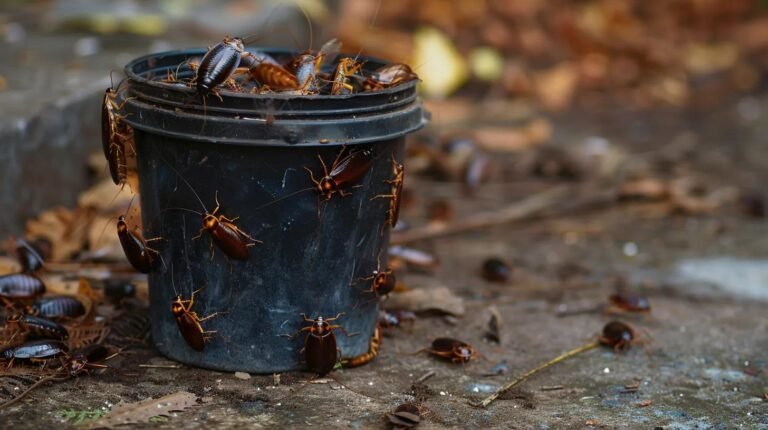
In South Florida, two species cause most persistent problems: the German cockroach and the American cockroach (often called the palmetto bug). German cockroaches are small and breed indoors in kitchens and bathrooms. American cockroaches are larger, usually come from outside, and look for moist harborage. Identifying which species you’re dealing with helps prioritize cockroach control—baits and insect growth regulators (IGRs) for Germans, and perimeter exclusion plus moisture fixes for Americans. Below is a quick, scannable comparison to help you spot the likely culprit and understand why each species leads to repeat problems.
This table compares the two most common species and explains their persistence in homes.
| Species | Key Traits | Why they cause reinfestation |
|---|---|---|
| German cockroach | Small (¼–½ inch), prefers indoor kitchens/bathrooms, rapid reproduction | Reproduces quickly, hides in wall voids and appliances; egg sacs shield young from short-term sprays |
| American cockroach (palmetto bug) | Large (1.5–2 inches), often outdoors-to-indoor movement, attracted to drains | Regularly reinvades from yards, sewers, and mulch; exploits moisture and structural gaps |
| Oriental/other house roaches | Medium size, opportunistic indoors/outdoors | Less common but able to persist in basements, attics, and cluttered storage areas when conditions allow |
This quick comparison shows why treatments must match species biology and habitat. Next, we’ll dig into German cockroach behavior to explain how they outlast incomplete control efforts.
How Do German Cockroach Habits Contribute to Reinfestation?
German cockroaches drive many indoor reinfestations because of their life cycle and habits. They favor warm, humid microhabitats close to food and water—under sinks, behind refrigerators, and inside appliance voids. A single female can carry multiple oothecae (egg cases) that hatch later, and rapid generations mean populations rebound fast. Surface sprays usually miss eggs and sheltered nymphs, so a combination of baits and IGRs is needed to break the life cycle. Knowing these habits helps homeowners and technicians target inspections and select treatments that reach every life stage.
What Are the Characteristics of American Cockroaches in Local Homes?
American cockroaches, or palmetto bugs in South Florida, are big and capable of short flights. They typically breed outdoors in damp spots like mulch beds, sewers, and landscape debris, then move indoors through plumbing chases, vents, and gaps when attracted by moisture or food residues. Because they’re often coming from outside, effective control focuses on perimeter treatments, sealing entry points, and reducing outdoor harborage as much as indoor knockdown. Understanding these structural drivers explains why ignoring entry routes and hidden nests leads to repeat infestations.
Why Do Cockroaches Keep Returning After Treatment?
Cockroaches return after treatment when root causes aren’t fixed: missed egg sacs, untreated harborage areas, ongoing attractants, or reinvasion from outside or neighboring units. Too often, treatments mean spot-spraying visible adults without checking wall voids, appliance backs, or attics where nymphs and oothecae hide. Food crumbs, pet dishes, leaks, and nearby landscaping can keep drawing survivors or newcomers back in. The table below links common failure points to specific fixes homeowners and pros can apply.
This table shows common causes of return, how they help cockroaches survive, and practical fixes homeowners can implement or request from a professional.
| Cause | How it helps cockroaches survive | What to do about it |
|---|---|---|
| Missed harborage (voids, appliance backs) | Protects eggs and nymphs from surface treatments | Inspect and treat voids, move appliances, use targeted dusts and baits |
| Untreated egg sacs (oothecae) | Eggs hatch after adult removal, restarting population | Use IGRs and residual baits that prevent maturation |
| Entry points and neighboring infestations | New individuals continuously enter treated homes | Seal gaps, install vent screens, coordinate building-level treatments |
| Ongoing attractants (food, moisture) | Keeps survivors and newcomers nourished and reproducing | Follow rigorous sanitation and moisture control checklist |
The most common immediate failure is incomplete targeting of life stages, which explains why partial treatments rebound. The next sections unpack these mechanics and the role of hidden nests.
How Does Incomplete Treatment Lead to Cockroach Reinfestation?
Incomplete treatments leave biological reservoirs intact by missing life stages and hiding places. Surface sprays that don’t reach wall voids or cabinet backs won’t affect egg sacs or sheltered nymphs, and wrong product choice or placement reduces residual effect. True elimination starts with a full inspection-driven plan using baits to attract foraging nymphs, IGRs to stop development, and dusts in voids to reach sheltered cohorts. Ask for follow-up visits and clear guarantee terms so any missed pockets are rechecked and treated until activity stops.
What Role Do Hidden Nests and Egg Sacs Play in Persistent Cockroach Problems?
Hidden nests and oothecae are a central reason infestations persist: oothecae protect developing young from many quick sprays, and wall-void nests sustain small, unseen populations. An ootheca can contain dozens of nymphs, and hatching may happen weeks after you first see adult numbers drop—making a treatment look like it failed. Finding and treating nests often requires probing voids, applying desiccant or residual dusts, and deploying baits and IGRs for emerging nymphs. Expect staged control and follow-up inspections to catch delayed hatching and hidden reservoirs.
With the biology covered, the next section outlines environmental and structural attractants homeowners can control to reduce reinfestation risk.
Defeating the Cockroaches Infesting South Florida Homes
Cockroaches thrive where food, water, and shelter are easy to find; structural gaps and landscaping can also create easy corridors back into your home. Kitchens, bathrooms, laundry rooms, and attics with crumbs, clutter, or leaks supply what roaches need to survive and reproduce. Outside, dense mulch, poor irrigation, and debris near foundations concentrate populations that can reinvade through gaps and vents. The sanitation and exclusion lists below prioritize actions homeowners can take immediately to make their home far less welcoming to roaches.
Common household attractants and environment fixes to reduce cockroach survival.
- Untended food sources: Store food in sealed containers and clean up crumbs promptly.
- Standing water and leaks: Repair leaky pipes and remove standing water to deny moisture.
- Outdoor harborage: Keep mulch and firewood away from foundations and trim dense plantings.
- Cluttered storage: Declutter garages and attics where roaches hide and breed.
Cutting these attractants makes other control measures far more effective and sets the stage for exclusion work described next.
How Do Food, Water, and Moisture Sources Encourage Cockroach Survival?
Food and moisture directly sustain cockroach populations. These insects thrive on small residues that busy households often miss—pet food left out overnight, garbage with food residue, unsealed pantry items, and organic buildup in drains. Leaky plumbing, condensation, and poorly ventilated bathrooms supply the water they need. Quick wins include daily cleaning, sealed food storage, drain maintenance, and repairing leaks—measures that reduce the home’s carrying capacity and make it harder for survivors to rebound. With attractants controlled, exclusion and targeted treatments work much better.
Which Entry Points and Harborage Areas Allow Cockroach Access to Homes?
Cockroaches enter through foundation cracks, unsealed utility penetrations, dryer vents, and attic accesses—allowing constant reintroduction after treatment. In South Florida, common trouble spots include plumbing chases, door thresholds, damaged window screens, and poorly sealed attic or crawlspace vents; landscaping touching siding and debris near foundations also helps them gain entry. Exclusion ranges from simple silicone caulk and door sweeps to professional-grade sealing of utility penetrations and vent screening, prioritized based on a thorough inspection. Proper exclusion cuts down immigration and complements sanitation and targeted chemical measures.
How Can Homeowners Prevent Cockroaches From Returning Long-Term?
Long-term prevention pairs consistent sanitation, systematic exclusion, moisture management, and sensible monitoring. A layered approach reduces the need for repeated chemicals. Adopt daily, weekly, and monthly habits that remove food and shelter, and schedule inspections to fix structural issues promptly. The checklist below organizes actions by frequency and impact so you can get immediate wins and maintain a pest-resistant home.
A practical, prioritized prevention checklist homeowners can follow.
- Daily: Wipe counters, secure pet food, and keep sinks clear to remove immediate attractants.
- Weekly: Vacuum under appliances, empty trash and compost bins, and check common harborage spots.
- Monthly: Inspect for leaks, clean drains with enzymatic cleaners, and check attic/crawlspace for activity.
- Quarterly/Yearly: Re-caulk gaps, service screens and door sweeps, and inspect perimeter landscaping.
These routines cut a home’s ability to support roaches and make professional treatments, when needed, far more durable.
What Are Effective DIY Sanitation and Exclusion Techniques?
Effective DIY work focuses on steady routines and targeted fixes using simple materials. Sanitation steps include keeping pantry items in airtight containers, washing food-soiled dishes promptly, and using sealed trash bins. Exclusion involves sealing gaps with silicone caulk, installing door sweeps, and screening vents and dryer outlets. A basic materials list—caulk, door sweeps, mesh screens, and a shop vacuum—covers most homeowner needs for immediate exclusion. Combining sanitation with exclusion cuts the number of bugs that need chemical control and improves long-term results.
How Does Moisture Control Reduce Cockroach Attractants?
Moisture control is critical because cockroaches need water more often than food and will concentrate around leaks, condensation, and poor ventilation. Fix plumbing promptly, improve ventilation in bathrooms and attics, use dehumidifiers where needed, and make sure gutters and downspouts move water away from the foundation. Insulation and attic cleaning also help by stabilizing temperature and humidity patterns roaches exploit; attic insulation is covered in detail later. Reducing moisture removes a key resource and also prevents mold and other issues that harm the home.
What Professional Cockroach Control Methods Does Bugsy’s Pest Solutions Use for Lasting Results?
Professional control centers on inspection-led, targeted strategies that address species biology, hidden nests, exclusion needs, and ongoing attractants to stop reinfestation. Bugsy’s Pest Solutions, a veteran-owned, family-operated company serving Palm Beach, Broward, and St. Lucie Counties, focuses on eco-friendly, pet- and family-safe pest control and insulation solutions and offers free estimates. Their approach pairs a careful inspection with tailored treatments—baits, IGRs, and targeted dusts—and includes a follow-up guarantee to confirm activity has stopped. Below is a clear breakdown of their three-step process and how each step addresses common causes of return.
Intro paragraph for table explaining the 3-step process and its goals.
| Step | Focus | Expected Outcome |
|---|---|---|
| 1. Inspect & Diagnose | Locate species, nests, egg sacs, entry points, and attractants | Clear map of problem areas to guide precise treatment |
| 2. Targeted Treatment & Exclusion | Apply baits, IGRs, dusts, and seal entry points with eco-friendly products | Cut breeding cohorts and block re-entry routes |
| 3. Follow-up & Guarantee | Post-treatment monitoring and corrective visits under guarantee | Confirmed elimination and long-term prevention with homeowner guidance |
This table shows how each step maps to reinfestation causes, ensuring treatments address root problems rather than just visible bugs.
Professional treatments work best when combined with homeowner sanitation and exclusion. The next subsection explains the three-step process in plain language and highlights safety-first choices.
How Does Bugsy’s 3-Step Process Address Reinfestation Causes?
Bugsy’s process starts with a detailed inspection to identify species, hidden nests, and structural weaknesses—directly targeting the usual sources of reinfestation. The second step applies customized tools: precision baits for foraging nymphs, insect growth regulators to interrupt development, and targeted dusts for voids, paired with exclusion to block entry. The third step provides scheduled follow-ups and a guarantee so delayed hatches or missed pockets are handled until activity stops. This integrated approach—matching methods to biology and structure—explains why professional IPM usually beats one-off DIY sprays.
Why Are Eco-Friendly Treatments Important for Safe Cockroach Extermination?
Eco-friendly treatments matter because they lower risks to children, pets, and the environment while fitting within an Integrated Pest Management (IPM) framework that favors nonchemical controls first. Modern eco-conscious options—baits, IGRs, and targeted residuals—are chosen for low non-target toxicity and are applied precisely to minimize exposure. Homeowners can get durable control without broad broadcast spraying, and pros using these products still achieve strong results when they match treatments to species and site conditions. Choosing safe, science-backed options protects family health and supports lasting cockroach extermination.
Research supports Integrated Pest Management as an effective way to reduce health risks tied to heavy pesticide use.
Integrated Pest Management for Cockroach Prevention
Pesticides, when applied in large quantities in urban neighborhoods to control cockroaches, can pose health risks—especially for children, who face proportionally greater exposures and unique developmental vulnerabilities. Integrated Pest Management (IPM) emphasizes nonchemical tools—cleaning food residues, removing potential nutrients, and sealing cracks and crevices—using least-toxic pesticides only when necessary. To evaluate IPM’s effectiveness, the Mount Sinai Children’s Environmental Health and Disease Prevention Research Center partnered with two community health centers in East Harlem, NYC, on a prospective intervention trial. Families (n = 131) enrolled during prenatal care; household cockroach infestation was measured with glue traps at baseline and again six months later. The intervention group received tailored IPM education, repairs, and least-toxic pest control applications.
After the professional methods overview, the final section explains how attic insulation ties into pest prevention and how Bugsy’s connects pest control with insulation services and free estimates.
How Does Attic Insulation Help Prevent Cockroach Infestations in South Florida Homes?
Attic insulation and sanitation cut cockroach harborage by stabilizing humidity and temperature, reducing condensation, and removing debris that serves as shelter or food. Degraded insulation or insulation full of organic material can create micro-environments that favor cockroaches, while clean, properly installed insulation combined with attic cleaning limits available niche habitats. Attic work should include sealing penetrations, removing nests or debris, and installing insulation that reduces thermal bridging and condensation—part of a comprehensive pest-prevention plan. Below is an attic-specific checklist homeowners and pros can use during inspection to spot and fix attic-related risks.
An attic inspection checklist for reducing pest harborage and moisture problems.
- Inspect insulation condition: Replace or clean insulation showing contamination or compression.
- Seal penetrations: Close gaps around chimneys, ducts, and plumbing chases to stop insect entry.
- Remove organic debris: Clear nesting material, rodent droppings, and food sources that attract pests.
- Improve ventilation: Ensure vents are unobstructed and working to keep attic humidity balanced.
Doing these attic improvements reduces moisture-driven attraction and closes a common pathway cockroaches use to enter living spaces—work that integrates directly with combined pest and insulation services professionals offer.
What Is the Role of Attic Sanitation and Insulation in Blocking Cockroach Entry?
Attic sanitation removes nesting materials and food sources, while insulation repairs and sealing reduce both access routes and microclimates that cockroaches exploit. Cleaning eliminates debris that harbors insects, and properly installed insulation helps prevent condensation that creates moist refuges; sealing penetrations also blocks movement between attic and living areas. During an attic service, technicians look for signs like fecal spotting or shed skins and then remediate with focused exclusion and insulation repairs. These measures complete the structural side of an IPM plan and support the chemical and behavioral controls described earlier.
How Does Insulation Reduce Moisture and Harborage for Cockroaches?
Insulation stabilizes attic temperature and reduces cyclical condensation that forms when warm, humid air meets cooler surfaces—removing a hidden moisture source cockroaches use for hydration. Degraded insulation that’s compacted, moldy, or contaminated holds moisture and provides shelter; clean, correctly installed insulation reduces humidity and eliminates the microhabitats these pests prefer. Watch for damp insulation, musty smells, or visible pest signs as indicators attic work is needed. Combined insulation replacement and exclusion create a less hospitable attic ecosystem and lower the long-term chance of reinfestation.
Bugsy’s Pest Solutions includes attic sanitation and insulation in comprehensive pest plans and offers free estimates to assess attic and pest vulnerabilities—making it easier for homeowners to coordinate preventive work with professional pest control.
Frequently Asked Questions
What are the signs of a cockroach infestation in my home?
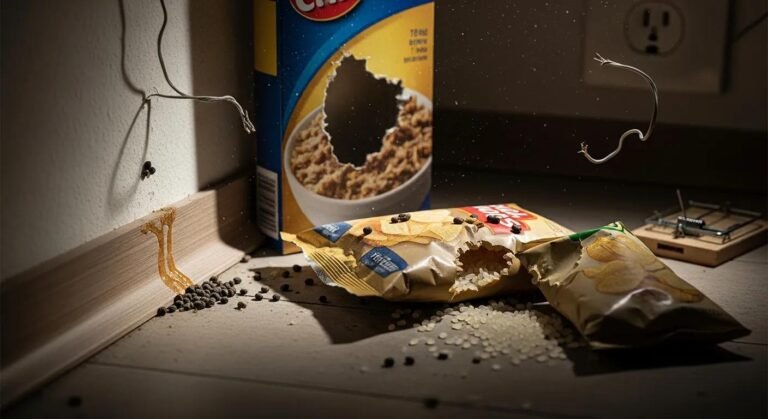
Look for droppings that look like tiny black pepper grains, shed skins, or egg cases (oothecae). A persistent musty odor in kitchens or bathrooms can also be a clue. Seeing live cockroaches—especially during the day—usually means the infestation is significant. If you spot these signs, act quickly to limit spread and reinfestation.
How can I identify the type of cockroach in my home?
Size, color, and behavior are the easiest identifiers. German cockroaches are small (about ½ inch), light brown, and prefer indoor spots like kitchens and bathrooms. American cockroaches are larger (1.5–2 inches), reddish-brown, and are often linked to damp outdoor areas. Noting where you see them helps choose the right control method.
What should I do if I see a cockroach during the day?
Daytime sightings can signal a heavy infestation since roaches are normally nocturnal. If you see one, try to capture it for ID, inspect likely hiding spots (under sinks, behind appliances, in cabinets), and contact a pest professional to evaluate and recommend a comprehensive plan.
How often should I perform pest control treatments for cockroaches?
Frequency depends on infestation severity and the success of initial treatments. For prevention in problem areas, follow-up visits every 3 to 6 months are common. If signs return, increase treatment frequency and inspections until activity stops. Regular maintenance and sanitation greatly reduce the need for repeated pest control treatments for cockroaches.
Can I use home remedies to control cockroaches effectively?
Home remedies like boric acid, baking soda, and diatomaceous earth can help reduce numbers but often aren’t enough for serious infestations. They work best as part of an Integrated Pest Management plan alongside sanitation and exclusion. For large or persistent problems, professional services are recommended for thorough, long-lasting control.
What role does sanitation play in preventing cockroach infestations?
Sanitation is critical because it removes the food and water sources that attract roaches. Regular cleaning—wiping surfaces, storing food in airtight containers, and disposing of garbage promptly—cuts infestation risk. Fixing leaks and improving ventilation also makes your home less hospitable to cockroaches.
How can I seal my home to prevent cockroaches from entering?
Sealing your home means finding and closing entry points: caulk gaps around windows and doors, seal cracks in walls and foundations, and install door sweeps. Pay special attention to plumbing chases and vents, which are common routes. Regular inspections and maintenance of these seals help keep cockroaches and other pests out.