An ant infestation is more than a few stray insects on the counter — it means an active colony is foraging, nesting, or reproducing inside or right next to your living space. Spotting the earliest signs protects your food, prevents structural damage, and lowers health risks like stings or contamination. This guide walks through the five most noticeable warning signs, how to read pheromone trails and discarded wings, which South Florida species to watch for, and how to find hidden nests and structural issues. You’ll also get clear advice on when a DIY fix might work, when to call a professional, practical prevention tips for kitchens and living spaces, and what to expect during a professional inspection and free estimate. Throughout, we reference conditions common to Palm Beach, Broward, and Saint Lucie Counties and simple checks you can do today.
What Are the Most Common Signs of Ant Infestation in Your Home?
The clearest signs are visible ant trails, sudden increases in indoor ants, discarded wings after swarms, evidence of nesting or structural harm, and tiny droppings or frass that point to indoor colonies. These cues come from ants following pheromone routes to food, seasonal mating flights that leave wings behind, and species-specific behaviors like wood tunneling or soil excavation. Spotting these early limits spread and helps you pick the right response. Below is a short list of the top five warning signs with quick descriptions and immediate actions for homeowners.
Ant problems often reveal themselves in predictable ways:
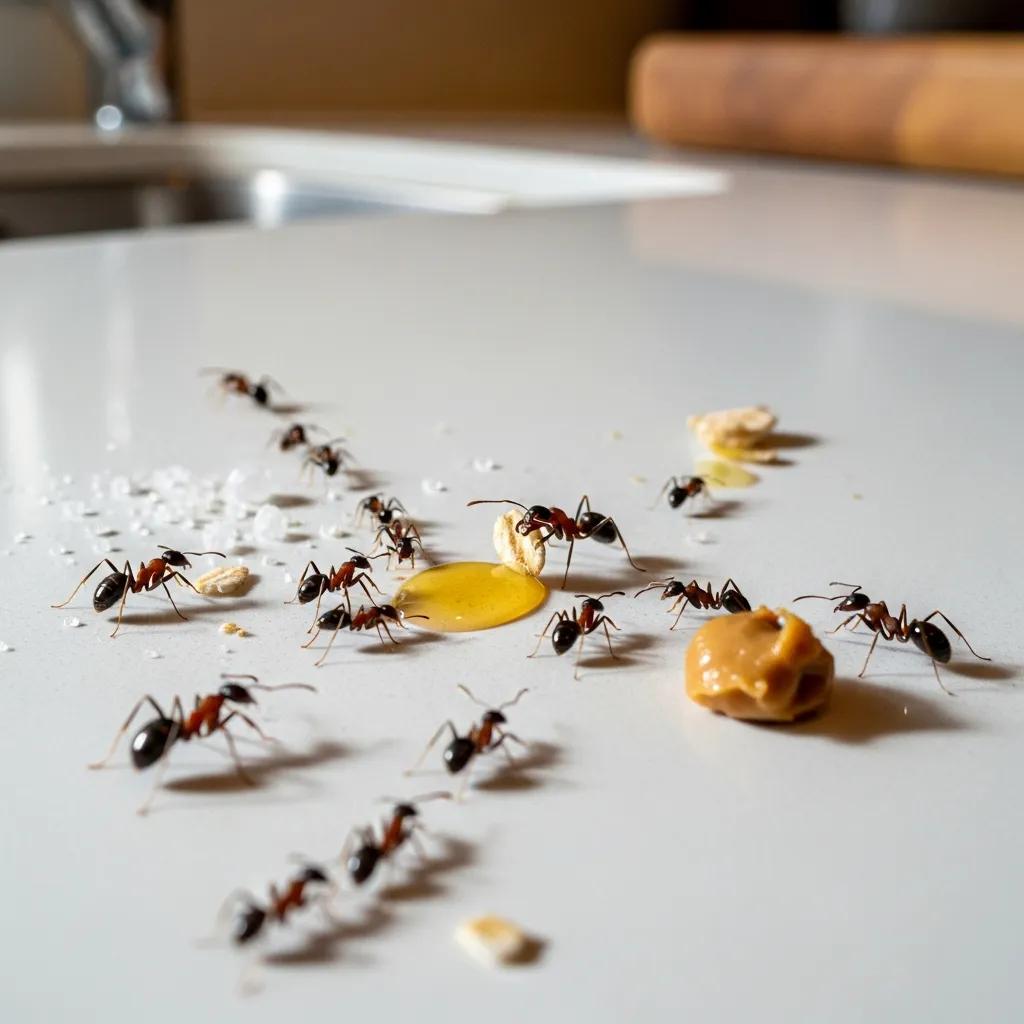
- Visible ant trails: Straight lines of workers along baseboards or counters heading to food. Avoid random sprays — they can scatter the trail and make control harder.
- Sudden indoor swarms or many ants: Ants appearing in multiple rooms usually mean a nearby colony; tighten sanitation and follow trails to find entry points.
- Discarded ant wings: Tiny translucent wings near windows or lights signal mating flights and possible new colonies nearby.
- Sawdust-like frass or wood damage: Fine, sawdust-looking material near wood is a red flag for carpenter ants and potential structural risk.
- Ant droppings and small mounds: Granular specks or indoor soil deposits suggest nests in walls, under floors, or in insulation.
Each sign carries a different urgency. Identifying what you see helps decide whether a targeted DIY approach is reasonable or whether a professional inspection is the safer step. Next, learn how to read ant trails so you can follow the evidence without making the problem worse.
How to Recognize Ant Trails and What They Tell You
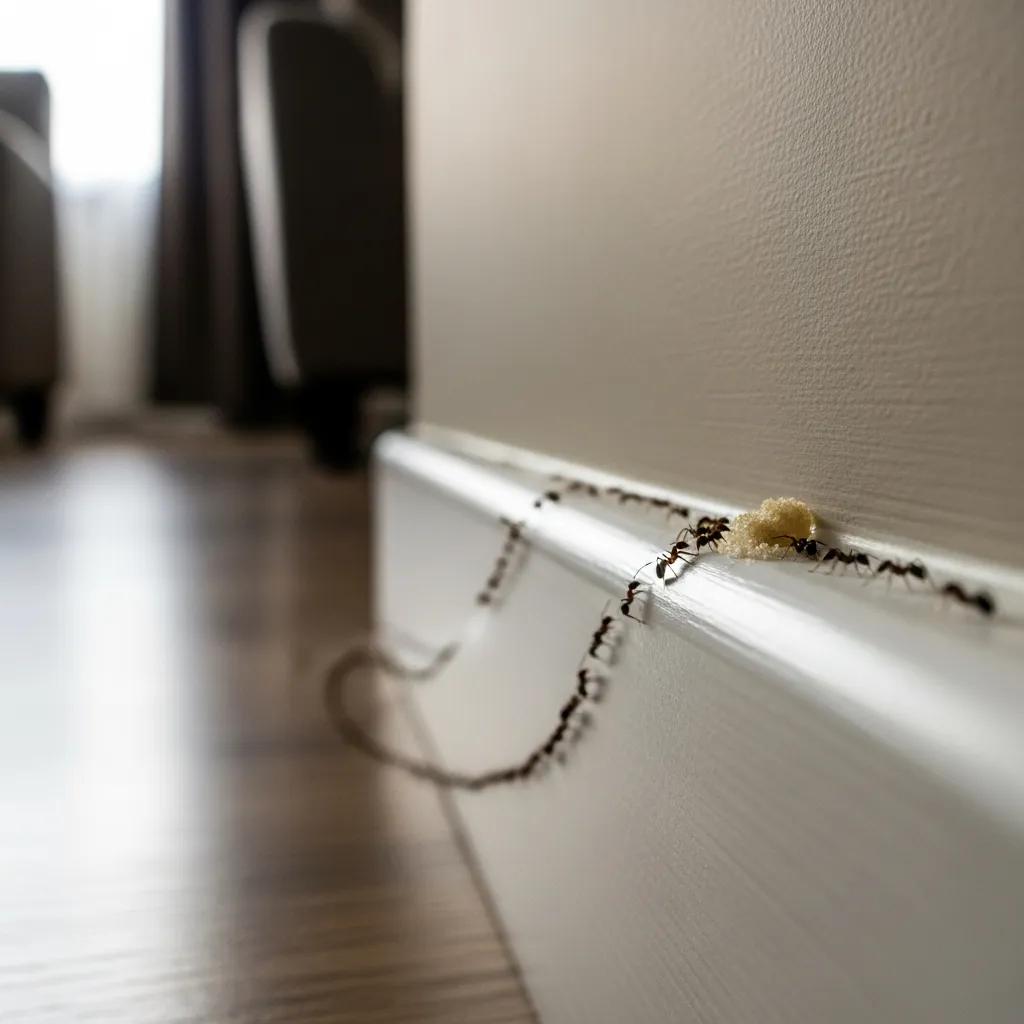
Ant trails are lines of workers moving between nest and food, laid down with pheromones that guide other ants. You’ll commonly see them along baseboards, on countertops, near sinks, and coming from exterior gaps toward kitchens or pet feeding spots. A heavy stream of workers usually means the nest is close and active. If you need to investigate, follow a trail gently without disturbing it — that can point you to an entry or nearby nest near foundations, utility lines, or wall voids. Don’t spray general insecticide on trails: that often scatters foragers and hides the colony, making baiting or targeted treatments less effective. Tracing a trail to a gap or crack helps you prioritize sealing and cleaning next.
What Do Discarded Ant Wings Mean?
Discarded wings mean reproductive swarming — winged males and females left a mature colony to mate. Finding wings, especially near windows, light fixtures, or doorways, suggests a recent swarm and a higher chance of new colonies nearby. In South Florida, these swarms happen seasonally and often around light sources. Take photos or save samples of wings, then check adjacent walls, window frames, and attics for fresh worker activity — newly founded colonies prefer warm, sheltered spots. Short-term steps: seal obvious gaps around windows and doors, improve sanitation to reduce attractants, and schedule an inspection if you spot active workers or multiple wing clusters. Early professional verification reduces the risk of a hidden, breeding colony becoming a long-term problem.
Which Ant Species Are Likely in Your South Florida Home?
Different species leave different clues and pose different risks. In South Florida, common culprits include fire ants, carpenter ants, ghost ants, Argentine ants, and pavement ants. Each has distinct size, color, behavior, and nesting preferences — soil mounds, wood galleries, or hidden indoor nests. Correct identification guides the right response: painful fire ant stings need quick intervention, while carpenter ant frass signals possible structural concern. The table below summarizes typical signs, risks, and homeowner actions for these local species.
The following table compares common South Florida ant species:
| Species | Typical Signs | Risk & Suggested Homeowner Action |
|---|---|---|
| Fire ants | Mounded soil near foundations, aggressive swarming, painful stings | High sting risk; avoid nests, treat yard perimeter, contact pros for safe control |
| Carpenter ants | Fine sawdust-like frass near wood, hollow-sounding timbers | Structural concern; document frass, inspect wood, arrange professional inspection |
| Ghost ants | Very small pale workers, indoor trails near food and moisture | Nuisance foragers; improve sanitation, remove sweets, try baits for minor problems |
| Argentine ants | Long foraging lines indoors, many small workers, nests hard to localize | Persistent presence; sealing entries and baiting usually required |
| Pavement ants | Small dark ants nesting under pavement and near foundation gaps | Moderate nuisance; clear debris, seal cracks, monitor for indoor activity |
This quick comparison helps match signs to likely species and prioritize next steps — from avoiding yard mounds to checking for carpenter ant frass inside. Knowing behaviors points you to the right detection and control methods.
How to Identify Fire Ants, Carpenter Ants and Other Common Species
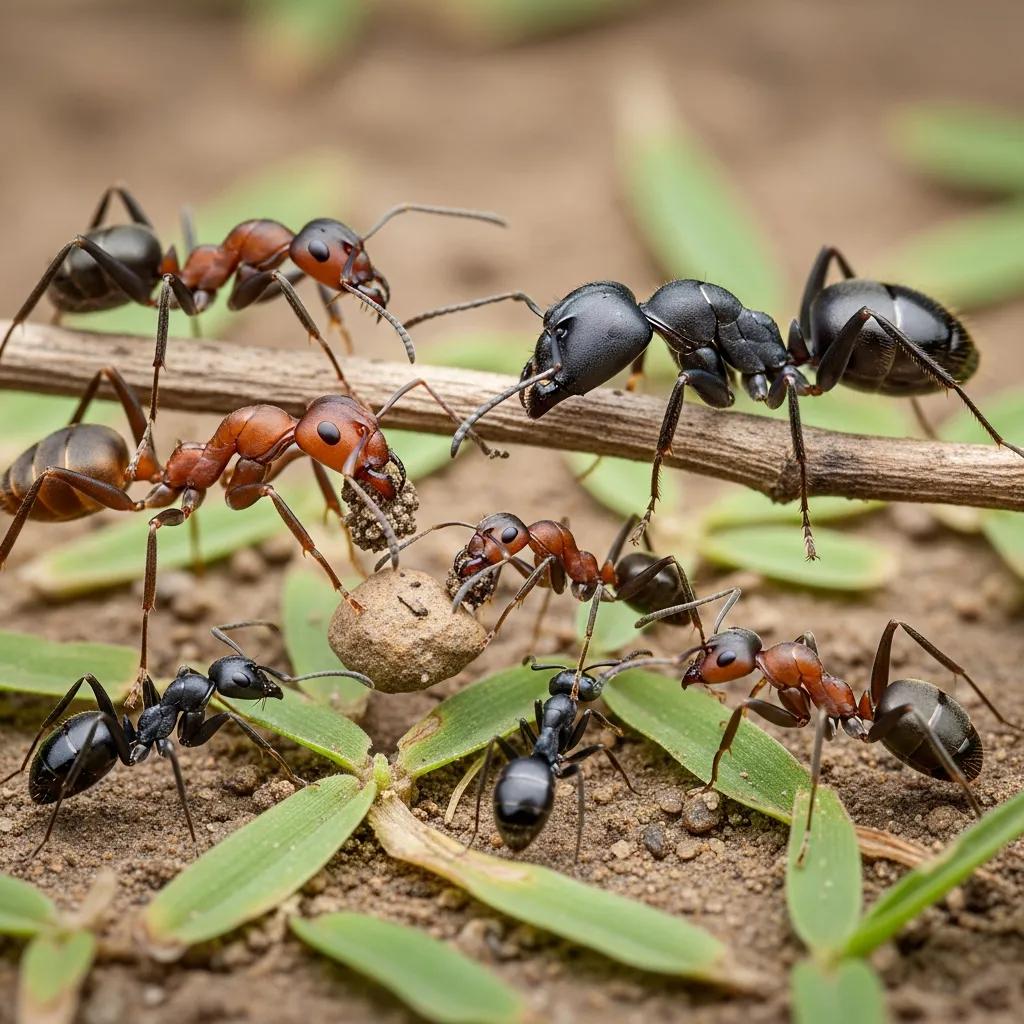
Fire ants are medium-sized and reddish, known for mounds and painful stings. Carpenter ants are larger, often dark, and leave coarse sawdust frass from wood galleries. Ghost ants are tiny and pale, attracted to sugary foods and moisture; Argentine ants form large cooperative colonies that send many workers indoors; pavement ants nest under concrete and may sneak inside occasionally. Visual ID depends on size, color, worker numbers, and debris type — photographing specimens against a white background helps for remote ID. If you suspect stinging species, avoid handling them, isolate food sources, and capture clear photos for an inspector: correct ID changes the treatment plan and urgency.
What Unique Warning Signs Do Different Ant Species Show?
Each species leaves signature clues: fire ants build soil mounds and respond aggressively when disturbed; carpenter ants leave sawdust-like frass and create hollow-sounding wood; ghost ants make tiny, hard-to-see trails near moisture and sweets. These behaviors — soil excavation, wood tunneling, or hidden indoor nesting — dictate urgency and treatment. For example, frass under a roofline suggests a higher structural concern than occasional pantry sightings of ghost ants. Matching the evidence to a species helps decide whether sanitation and baiting are enough or a professional is needed. It also prevents confusing ant signs with termite damage or rodent droppings, which require different responses.
How Can You Find Hidden Ant Nests and Colony Activity Indoors?
Hidden nests often sit in wall voids, insulation, under floors, or inside hollow timbers. Signs can be subtle: rustling in walls, concentrated foraging at certain times, warm patches from colony heat, or small piles of frass or droppings. Combine visual checks, behavior observation, and simple DIY tests — tap suspect wood, follow pheromone trails carefully, and inspect attics, crawlspaces, and the foundation line outside. Early detection reduces the risk of structural harm and makes treatments more effective. The table below helps interpret common hidden-colony signs and their urgency.
| Sign Observed | How It Looks | What It Means / Urgency |
|---|---|---|
| Rustling in walls | Soft, intermittent noises when it’s quiet | Possible nesting in wall voids; moderate to high urgency |
| Concentrated worker traffic | Many ants near a single entry or corner | Nearby nest or satellite colony; moderate urgency |
| Frass or sawdust piles | Fine wood particles near baseboards | Carpenter ant activity; high urgency — inspect structure |
| Heat or odor near insulation | Warm spots or musty smells | Large colony in insulation; professional inspection recommended |
| Fine droppings | Tiny granular specks in corners | Indoor nesting or heavy foraging; investigate promptly |
Reading these signs helps focus inspections and decide whether baiting and sealing will work or a professional assessment is needed. The next section explains specific signs of wall nesting and how to test for structural damage.
What Are the Signs of Ant Nesting in Walls and Structural Damage?
Wall nesting commonly shows as fine frass along baseboards or windowsills, hollow tones when you tap wood, and localized staining or moisture that attracts ants. Carpenter ants can leave galleries that weaken beams over time. Homeowner checks include gently tapping suspect wood to hear a hollow sound, looking for frass under small holes, and noting seasonal increases in ant traffic near those spots. If you see structural indicators — sagging trim, growing wood damage, or large frass piles — treat it as a higher-priority issue because repair costs can climb quickly. Take photos, note peak activity times, and share your observations with an inspector who can confirm nesting locations and recommend remediation.
How to Tell Ant Droppings from Sawdust and Other Debris
Ant droppings differ from sawdust in texture, color, and placement: droppings are tiny rounded granules near food or travel paths, while carpenter ant frass is finer, lighter, and accumulates under galleries or exit holes. Rodent droppings are larger pellets, and termite frass can be powdery or tube-like. Quick homeowner checks: moisten a small sample to see how it clumps, compare particle size to a match head, and note whether material sits near wood or food. When in doubt, photograph and save a sample for professional ID — correct identification prevents mixing up termite or rodent problems that need different treatment.
When Should Homeowners Call a Professional for Ant Control?
Call a pro if you see structural damage signs, encounters with stinging ants, repeated activity after DIY attempts, visible nests inside walls, or infestations across multiple rooms that keep coming back. Professionals provide full inspections, species ID, focused treatment plans, and follow-up guarantees that DIY methods often can’t match for persistent or hazardous problems. Waiting can let colonies spread, increase repair costs, and raise health risks; early escalation usually cuts long-term expense and recurrence. The table below outlines common problem scenarios, severity signs, and recommended actions to help you decide.
| Problem Scenario | Severity Indicators | Recommended Action |
|---|---|---|
| Visible wood frass or hollow-sounding beams | Large frass piles, structural weakness | Immediate professional inspection and targeted treatment |
| Repeated foraging after DIY attempts | Ants return within weeks | Professional treatment with follow-up guarantee |
| Stinging ants (fire ants) near living areas | Observed stings or aggressive behavior | Avoid contact; schedule professional control promptly |
| Multiple indoor nests or wall activity | Ants in several rooms, rustling sounds | Professional inspection and comprehensive plan |
| Large outdoor mounds near the foundation | Mounds close to doors or foundation | Yard treatment and exclusion work by pros |
Key triggers for calling an expert include carpenter-ant structural signs, fire ant stings near living spaces, and infestations that persist despite baiting. The following section explains the risks of delaying treatment and the advantages professionals provide.
Businesses and commercial properties often need specialized pest plans. For tailored solutions and compliance with health standards, consider professional services for commercial pest control.
What Are the Risks of Delaying Ant Treatment?
Delaying treatment lets colonies grow and spread, raising the risk of structural damage from wood tunneling, more frequent food contamination, higher chance of stings, and harder-to-eliminate satellite nests. A manageable nuisance can become a costly repair job — especially with carpenter ants that progressively undermine wood. Repeated DIY sprays can also scatter workers and hide pheromone trails, making baiting less effective. Early professional care stops colony expansion and addresses entry and nesting points, reducing long-term costs and health risks.
How Does Bugsy’s Pest Solutions Deliver Safe, Effective Ant Control?
Bugsy’s Pest Solutions is a veteran-owned, Lake Worth Beach company offering certified technicians who provide family- and pet-safe ant control with guaranteed results across Palm Beach, Broward, and Saint Lucie Counties. A typical service starts with a thorough inspection to identify species and nesting signs, followed by a treatment plan focused on safe, targeted methods and backed by a service guarantee. Free estimates and inspections let homeowners compare options without upfront cost. Choosing a local, veteran-owned provider means faster scheduling and knowledge of South Florida’s seasonal pest patterns. If you’re seeing structural signs, stinging ants, or persistent indoor activity, a professional evaluation from Bugsy’s offers a practical, safety-first path to resolution.
What Preventive Measures Help Keep Ants Out?
Prevention focuses on sanitation, moisture control, and sealing entry points to remove attractants and access. Simple, consistent steps — storing food in sealed containers, cleaning spills immediately, securing pet food, fixing leaks, and trimming vegetation away from the foundation — reduce indoor foraging and discourage colonies from setting up nearby. Regular checks of door sweeps, foundation cracks, and utility penetrations limit entry opportunities, and professional exclusion or insulation inspections can eliminate hidden nesting spots. The note below explains how pros can complement homeowner prevention.
Professionals can perform pest-proofing and insulation checks to find vulnerabilities you might miss. When sealing and sanitation don’t stop repeat activity, targeted exclusion work from a pro is the most reliable long-term strategy.
Try these practical measures to keep ants out:
- Sanitation and storage: Keep dry foods in airtight containers, wipe counters after use, and clear crumbs promptly.
- Moisture control: Repair leaky pipes, use dehumidifiers in damp areas, and ventilate crawlspaces and attics.
- Entry sealing: Caulk gaps around pipes, install door sweeps, and repair foundation cracks to block common entry points.
- Landscape management: Trim plants away from siding, remove wood debris near the house, and keep mulch and soil graded away from foundations.
These steps reduce attractants and access. Check them seasonally — especially during South Florida’s rainy months — since humidity and rain increase foraging and nesting pressure. Good prevention means faster detection and fewer professional visits.
Which Home Conditions Attract Ants Indoors?
Ants seek accessible food (sugars and proteins), moisture, warm cluttered hiding spots, and easy entry from the yard. Common attractors include pet food left out, unsealed containers, leaky pipes under sinks, damp insulation, and vegetation touching the house; South Florida’s warm, humid climate intensifies indoor moisture and can keep ants active year-round. Simple fixes — sealing food, running exhaust fans, keeping drainage away from foundations, and reducing clutter in closets and crawlspaces — remove attractants quickly. Addressing these conditions often stops small incursions before colonies establish, and it prepares your home for targeted treatments if activity continues.
Best Practices to Keep Ants Out of Kitchens and Living Areas
Kitchens and living areas need extra attention because food and moisture concentrate there. Best practices: clean spills immediately, store food sealed, remove trash regularly, and place baits safely out of reach of children and pets. Proper baits or professional bait stations target foragers and transfer the control back to the colony — while indiscriminate sprays typically only disperse workers. Routine maintenance — replacing door sweeps, caulking around plumbing penetrations, and checking behind appliances — reduces entry points and nesting spots. For stubborn problems, ask a professional about family- and pet-friendly treatment and exclusion work rather than relying only on consumer sprays.
How Professional Ant Inspections Help Uncover Infestations
Confirming an infestation takes a systematic inspection that maps trails, finds entry points, locates nests when possible, and identifies species — this diagnostic work produces a treatment scope and estimate that match the problem’s severity. Inspectors typically check interior and exterior entry points, follow trails to likely nest sites, inspect attics, crawlspaces, insulation, and the landscaping near your foundation, and document findings that guide treatment. A free estimate usually includes a diagnosis, recommended treatment options, timing expectations, and details on follow-up and guarantees so you can make an informed choice. The checklist below shows what to expect during an inspection.
- Interior walkthrough: Technician follows trails, checks kitchens, bathrooms, wall voids, and attic/crawlspaces to locate activity.
- Exterior assessment: Foundation line, landscaping, soil mounds, and utility penetrations are checked for nests and entry points.
- Species identification: Workers or samples are identified so the correct baiting or treatment approach is chosen.
- Treatment scope and estimate: Findings map to recommended services, expected visits, and any guarantees or follow-up included.
A transparent inspection reduces uncertainty and lets you compare DIY options against professional recommendations. A free estimate gives the cost-benefit context you need to act promptly.
What to Expect During a Professional Ant Inspection
During an inspection, the technician performs an interior and exterior evaluation, traces visible trails, and inspects likely nesting sites like attics or crawlspaces for signs such as frass or discarded wings. The inspector will ask when and where you first saw ants, any recent DIY attempts, and activity patterns to help find satellite nests and probable entry points. Inspections are methodical and documented; technicians often provide photos or notes and explain immediate fixes, short-term treatments, and preventive steps tailored to the identified species and infestation level. Clear communication about findings leads to a written estimate you can review.
How Free Estimates Help You Choose an Ant Control Plan
A free estimate turns the inspection diagnosis into a recommended treatment plan with cost options, visit frequency, timelines, and any service guarantees — helping you compare professional options against DIY approaches. Estimates explain why a treatment was chosen based on species, infestation extent, and risk factors like structural involvement or stinging ants. Use the estimate to ask about safety, follow-up visits, and exclusion work so you pick the solution that fits your household’s priorities for safety and effectiveness.
Frequently Asked Questions
1. How can I prevent ants from entering my home?
Prevent ants with consistent sanitation, moisture control, and sealing entry points. Store food in airtight containers, clean spills right away, and fix leaks. Caulk gaps around windows, doors, and utility lines, and keep vegetation trimmed away from your foundation. These steps, done consistently, significantly lower the chance of an infestation.
2. What should I do if I find an ant nest in my home?
If you find an ant nest, don’t disturb it — that can make control harder. Document the location and the ant type if you can. For large infestations or stinging species like fire ants, call a pest professional for safe, effective removal. Pros use targeted treatments that remove the nest and reduce the chance of return.
3. Are there natural remedies for ant control?
Some natural methods can help deter ants: vinegar disrupts scent trails, diatomaceous earth can be sprinkled at entry points, and essential oils like peppermint can deter foragers when diluted and sprayed. These tactics may help small problems, but they’re often less reliable than professional treatments for larger or persistent infestations.
4. How do I know if my ant problem needs a professional?
Call a professional if you see structural signs like frass or hollow-sounding wood, if you encounter stinging ants, or if ants return after DIY attempts. Also seek help if ants appear in many rooms or you find nests in walls. Early professional action prevents more damage and higher repair costs.
5. What health risks come with ant infestations?
Ants can contaminate food and some species, like fire ants, can sting and trigger allergic reactions. Ants can also carry bacteria from unsanitary places. Keeping your home clean and addressing infestations promptly helps reduce these risks.
6. How often should I inspect my home for ants?
Check for ant activity at least monthly, and more often during warmer months. Focus on kitchens, bathrooms, and damp areas. Look for trails, droppings, or discarded wings — early detection keeps small issues from becoming big ones.
7. What should I expect during a professional ant service?
A professional service begins with a full inspection to find trails, entry points, and nesting sites. The technician will assess severity and recommend a tailored treatment plan, explain timing and follow-up, and provide any guarantees. Expect clear communication and documented recommendations so you know the next steps.