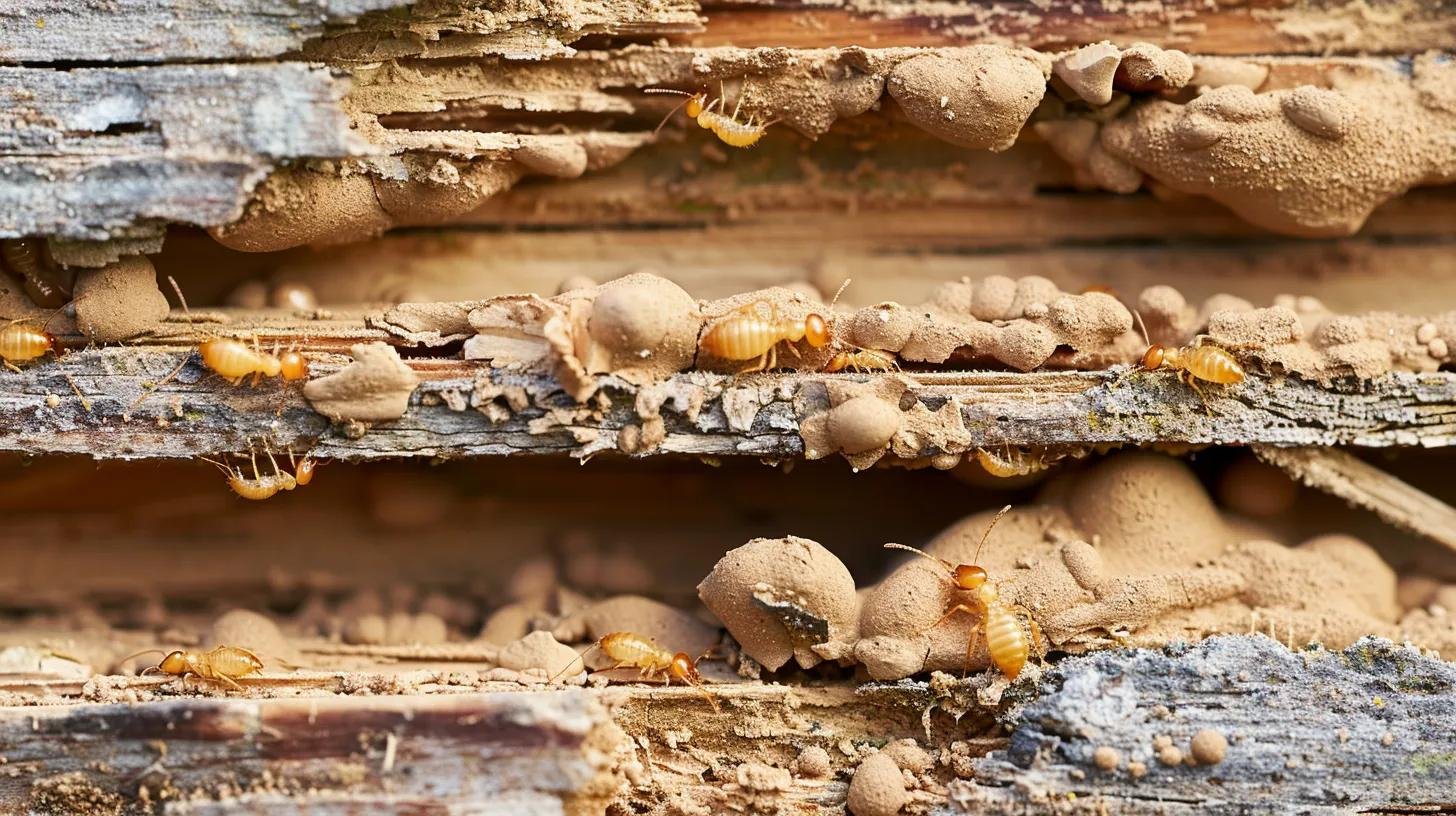
 Termites quietly eat away at a home until repairs become expensive and disruptive. South Florida’s heat and humidity make it ideal for species like subterranean, drywood, Formosan, and Asian termites, so spotting early warning signs — mud tubes, frass, discarded wings, or wood that sounds hollow — lets you act before damage spreads. This article lays out the most reliable indicators, a simple DIY inspection checklist tailored for South Florida houses, practical moisture- and ventilation-focused ways to prevent infestations, and clear guidance on when to call a pro. You’ll learn safe probing techniques, how sounds and smells can point to hidden colonies, and how to tell termite damage apart from water or mold problems. At the end, we summarize professional inspection and treatment options so you can decide whether to request a free estimate or schedule a full inspection.
If you’d rather have a pro handle it, Bugsy’s Pest Solutions — a veteran-owned, family-operated pest company led by Zachary Bernstein with formal pest-management training — offers inspection-first, customized termite control and ongoing protection. If your inspection turns up worrying signs, consider requesting a free estimate to get a documented plan and next steps. Early detection and the right response protect your home and your investment.
What Are the Early Signs of Termite Damage Every Homeowner Should Know?
Finding termite damage early depends on recognizing a handful of repeatable signs that point to active colonies. Mud tubes, piles of frass, discarded swarmer wings, bubbling paint, and small soft spots or holes in wood are the clearest visual clues for subterranean and drywood termites. Noting where you see each sign can also help identify which termite type you’re dealing with. Catching these early shrinks repair costs and makes treatments less invasive — read the short list below to lock the top visual cues into memory and understand why each matters.
Common early termite signs to watch for:
- Mud tubes running up foundation walls, piers, or slabs — signs that subterranean termites are traveling and seeking moisture.
- Frass (pellet-like droppings) piled near closets, joints, or eaves — a common signal of drywood termites.
- Discarded wings, usually by windowsills or light sources — evidence that swarmers have been active and colonies may be forming.
- Bubbling paint, hollow-sounding wood, or small holes in baseboards and trim — these point to internal galleries and active feeding.
Each sign reveals different termite behavior. Photograph and document what you find so you can prioritize inspection areas and decide whether to call a professional right away.
How to Identify Mud Tubes and What They Reveal About Termite Activity
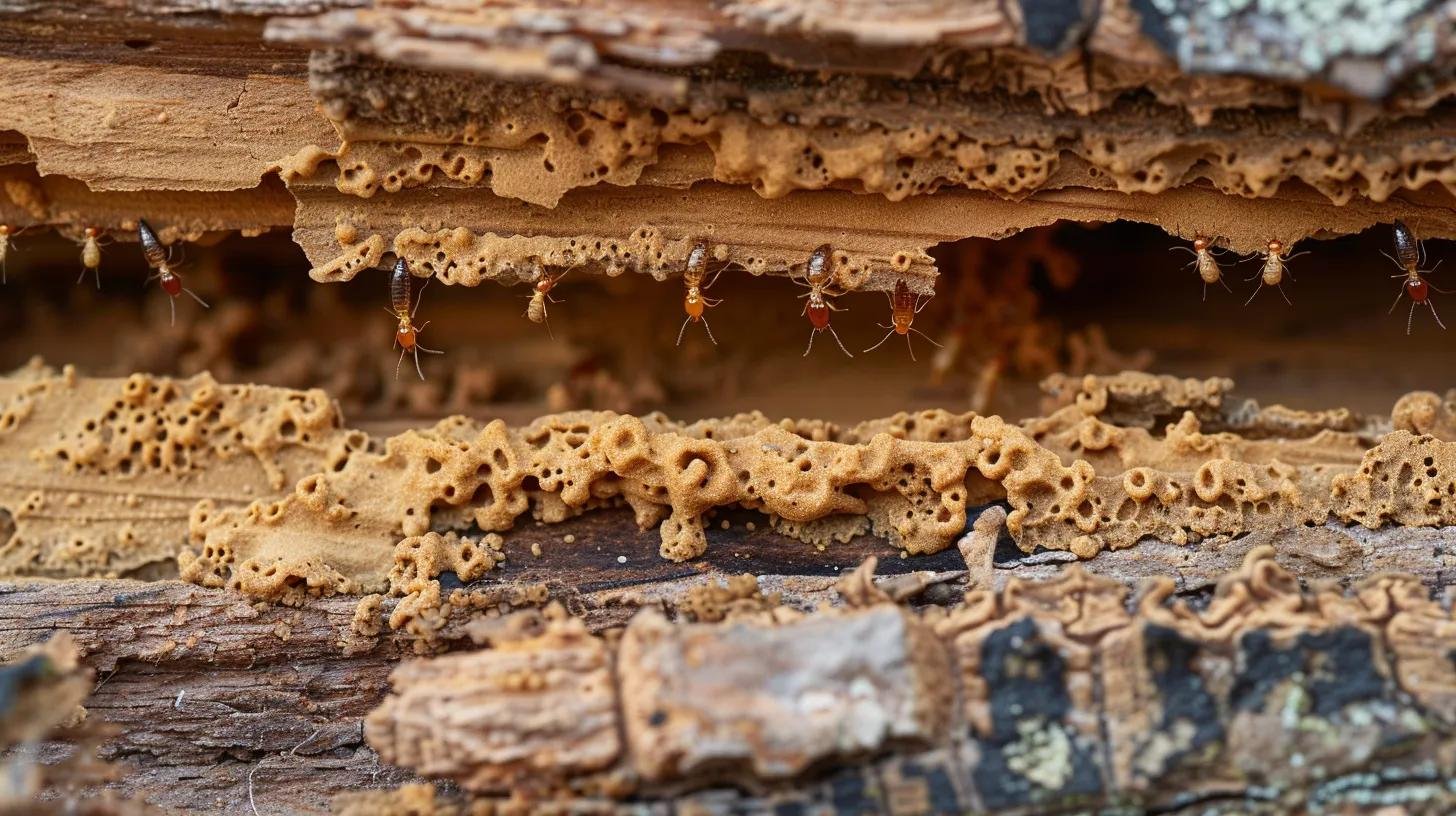
Treat mud tubes as diagnostic evidence, not something to destroy on the spot. Leaving them until a trained inspector documents and probes the area helps ensure a correct treatment plan.
What Does Termite Frass Look Like and How to Differentiate It from Sawdust?
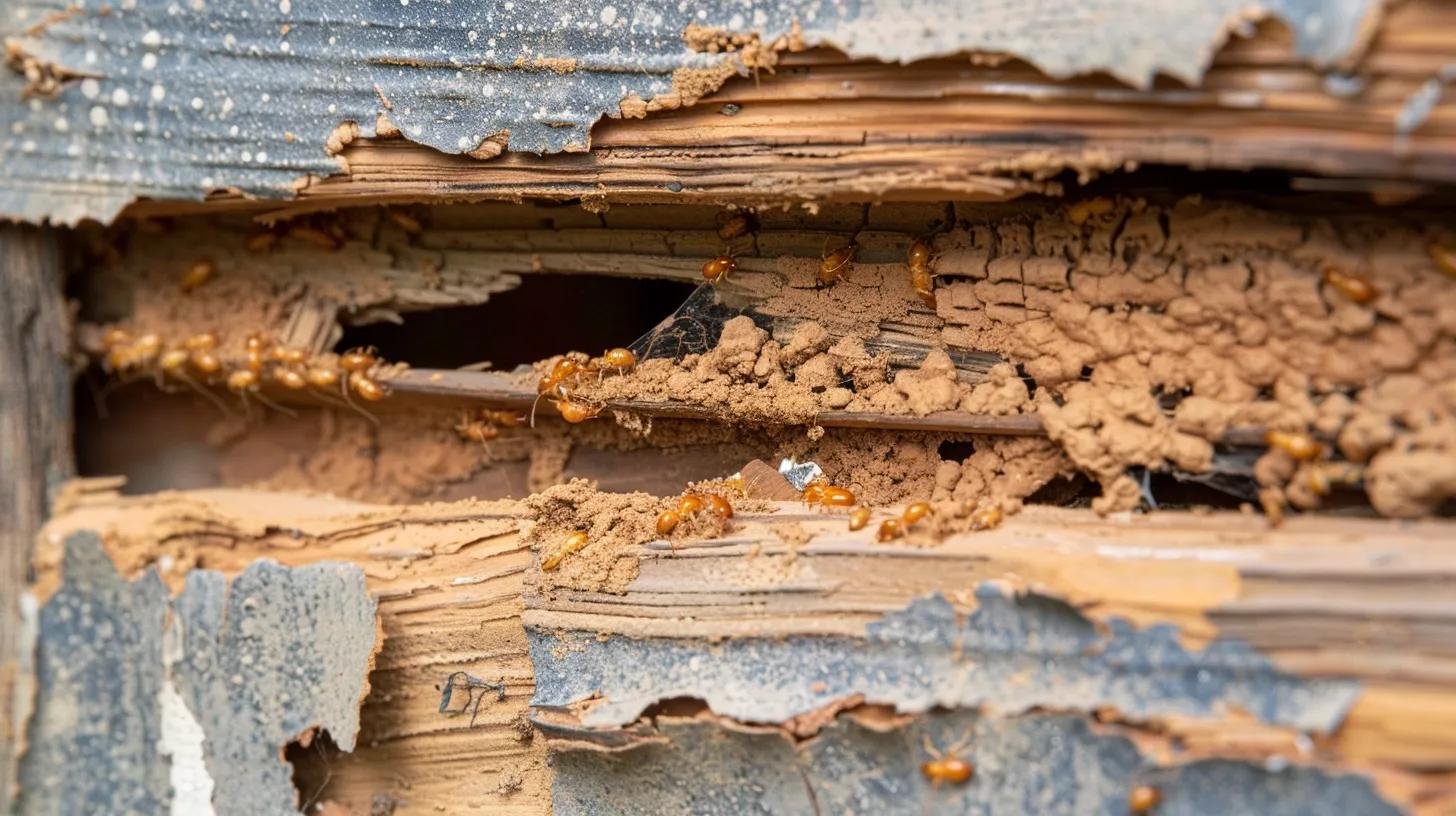
Drywood termite frass shows up as small, uniform pellets that are denser and darker than regular sawdust and often form tidy piles near feeding galleries. Sawdust from carpenter ants, carpenter bees, or carpentry work is usually fluffier, irregular, and mixed with larger wood shavings. Frass is pellet-shaped and may collect in voids, closets, or along baseboards. A quick field check: look at pellet shape under a magnifier and compare color and uniformity. Finding frass near tight crevices or voids raises the chance of a drywood infestation and should trigger a targeted inspection.
Photograph frass where you find it and don’t clean it up before inspection — preserving the evidence helps pros identify the pest and choose the right treatment.
How Can You Perform a DIY Termite Inspection Checklist for Your South Florida Home?

Regular DIY inspections catch signs before structural damage gets worse. Check at least once a year and after big storms or long wet spells common in South Florida. A good inspection combines visual scanning, gentle probing with a screwdriver or awl, and simple tools like a flashlight and moisture meter to confirm conditions that favor termites. Focus on foundation perimeters, crawlspaces, attics, exterior wood, and places where wood meets soil. The numbered checklist that follows gives a clear sequence to follow, and the table maps inspection areas to what to look for and what to do next.
Follow this step-by-step inspection checklist:
- Walk the perimeter: Check foundation walls, slab edges, and where landscaping meets the house for mud tubes and wood-to-soil contact.
- Probe suspicious wood: Gently test skirting, deck boards, and framing with a screwdriver for soft or hollow spots.
- Inspect attics and crawlspaces: Look for discarded wings, frass, and moisture around roof penetrations or plumbing.
- Check doors and windows: Look for bubbling paint, small exit holes, or spongy trim that suggest galleries.
- Document findings: Photograph evidence, record exact locations, and don’t disturb mud tubes before a professional documents them.
Intro to the inspection-area table: The table below pairs priority inspection zones with clear visual indicators and recommended homeowner actions — use it as a quick reference during patrols.
| Area to Inspect | What to Look For | Immediate Action |
|---|---|---|
| Foundation / Perimeter | Mud tubes, soil contact with wood, cracks | Photograph tubes; avoid destroying them; note exact locations |
| Crawlspace | Moisture, soft joists, mud tubes | Use moisture meter; dry out area; document and consider pro inspection |
| Attic | Discarded wings, frass near rafters, damaged sheathing | Wear PPE; photograph and remove insulation only if contaminated; request inspection |
| Exterior wood & decks | Wood-to-soil contact, blistered paint, hollow spots | Lift decking boards if safe; probe joists; record evidence for pros |
| Plumbing penetrations | Gaps, damp stains near pipes | Seal small gaps after inspection; track persistent dampness for remediation |
Which Key Areas Should You Inspect for Termite Damage in Your Home?
Focus on these zones every time you inspect: foundation perimeters, crawlspaces, attics, exterior decks, and utility penetrations. These spots concentrate the moisture and access points termites exploit in South Florida. Foundation checks reveal mud tubes and soil contact; crawlspaces often show high humidity and damaged joists; attics can collect discarded wings and frass near light sources. Decks and stairs commonly have wood-to-soil contact that invites termites, and plumbing or HVAC drip spots create local humidity that attracts subterranean termites. Regular checks and good notes reduce the chance that hidden colonies grow unnoticed.
Consistently monitoring high-risk zones makes any follow-up by professionals faster and boosts the odds of catching infestations early, before major repairs are needed.
What Tools and Safety Precautions Are Needed for Effective Termite Detection?
Basic homeowner tools — flashlight, screwdriver or awl, moisture meter, ladder, gloves, and safety glasses — let you inspect safely without specialist gear. Probe gently at edges and non-structural trim to find soft or hollow wood, and never aggressively probe unknown load-bearing members. In attics and crawlspaces, wear a respirator or dust mask and protective clothing because insulation and mold can irritate lungs; use a stable ladder and have someone nearby for safety. If you need thermal imaging, borescopes, or other advanced tools to find hidden galleries, that’s a reliable cue to call a trained inspector with the right equipment and experience.
Using the right tools and precautions gets the most from DIY checks while minimizing risk and avoiding accidental damage.
What Are the Common Visual and Auditory Signs of Termite Damage in Wood and Structures?
Termite damage often shows up as maze-like galleries inside wood, blistered surfaces, buckling floors, and hollow sounds when tapped. Heavier infestations may produce faint clicking or scraping noises and a musty odor. Galleries generally follow the wood grain and leave a thin veneer while interior support erodes, which can cause sagging floors or crumbling trim when probed. Listen for subtle sounds at dawn or dusk in quiet homes; pair those cues with visual signs like wings or frass to raise confidence. Together, these visual and sensory clues help you decide whether to probe further or call a professional.
Knowing how these signs work together helps homeowners prioritize checks and pick the right next step — noninvasive tests or a pro assessment.
How to Recognize Damaged Wood: Buckling, Blistering, and Hollow Sounds Explained
Damaged wood often shows bubbled paint, small surface holes, or sagging and buckling where internal galleries have eaten structural material. A simple tap-and-probe routine — tap suspect boards, then probe with a screwdriver — reveals hollow sounds and cavities that differ from rot, which usually leaves soft, stringy decay. For load-bearing members, document visual change and photograph instead of aggressive probing; for trim and non-structural pieces, probing helps estimate active feeding. When hollowing appears across multiple members or next to mud tubes or frass, act quickly — repairs and stabilization may be needed.
These tactile and visual checks give you a clearer picture of damage severity and help you communicate findings precisely to an inspector.
Can You Hear Termites? Understanding Clicking Sounds and Musty Odors
Some termite species generate faint clicking or rustling as workers and soldiers move inside galleries, most noticeable in quiet rooms near walls or paneling. Heavy infestations may produce a musty or slightly sweet odor from decaying galleries, but that can be confused with mold or water-damage smells. If you hear clicking and also see discarded wings or frass, the chance of active infestation is high and a professional inspection is justified. Use listening together with probing and moisture checks to avoid mistaking household noises or water-related smells for termites.
Combining auditory and olfactory clues with visual checks increases detection accuracy and reduces false alarms from unrelated issues.
When Should You Call a Professional for Termite Inspection and Treatment?
Call a professional when you find definitive signs — active mud tubes, repeated frass deposits, discarded swarmer wings near entry points, or hollowed structural members — because trained inspectors confirm species, locate colonies, and recommend targeted treatments. Pros use systematic visual surveys, probing, moisture mapping, and tools like thermal imaging to find hidden activity DIY methods may miss, and they document findings so treatments match severity. In South Florida, where Formosan and subterranean termites can cause rapid damage, schedule a pro inspection after storms, when sellers disclose prior activity, or whenever multiple signs appear. The table below summarizes common professional services, what they include, and when to choose each so you can pair severity with the right solution.
| Service | What It Includes | When to Choose |
|---|---|---|
| Full Inspection | Visual survey, probing, moisture reading, thermal scan when needed | When any active signs (mud tubes, frass, wings) are present |
| Baiting Systems | Monitors + targeted bait placement with colony suppression | For detected foraging activity without extensive structural damage |
| Liquid Barrier Treatments | Trench and inject liquid barrier around foundation | For established subterranean colonies with direct foundation access |
| Localized No-Tent Treatments | Spot treatments targeted to drywood galleries | For isolated drywood infestations in limited areas |
If you’re considering professional help, Bugsy’s Pest Solutions follows a clear three-step process — inspection, customized strategy, and precision treatment — with options tailored to local species and homeowner priorities. We offer family- and pet-friendly approaches, attic sanitation, and insulation work where needed, plus free estimates and guarantees backed by local South Florida experience and veteran-owned leadership. If inspection reveals active colonies or structural risk, requesting a free estimate gives you a documented plan and the next steps.
That local, assessment-based approach fits South Florida conditions and helps homeowners choose targeted solutions that minimize disruption while maximizing long-term protection.
How Can You Prevent Termite Infestations in South Florida’s Humid Climate?
In South Florida, prevention focuses on moisture control, eliminating wood-to-soil contact, keeping good ventilation, and using landscape practices that reduce termite habitat. Simple maintenance — clearing gutters, grading soil away from the foundation, keeping mulch away from siding, and storing firewood off the house footprint — removes common attractants for subterranean and drywood termites. Proper attic and crawlspace ventilation and insulation that won’t trap moisture also lower humidity levels that invite termites. The checklist below lists practical actions you can take now, and the short note after explains how attic sanitation and insulation fit into an integrated prevention plan.
Key prevention actions to implement now:
- Keep gutters, downspouts, and grading in good repair so water flows away from the foundation after every rain.
- Eliminate wood-to-soil contact by raising decks, moving mulch and firewood away from the house, and fixing siding gaps.
- Direct irrigation and AC drip lines away from foundation walls and check for leaks or pooling regularly.
- Improve attic and crawlspace ventilation and replace or correct insulation that traps moisture or hides activity.
Routine attention to these points reduces the conditions that attract termites and complements regular inspections.
As part of prevention, attic sanitation and insulation replacement remove nesting materials and fix moisture traps that can undermine chemical or baiting treatments. When insulation is contaminated or poorly installed, replacing it reduces termite attraction and long-term risk. Including attic work in your termite plan closes gaps some treatments miss and supports a healthier, drier building envelope in South Florida’s climate.
What Moisture Control and Landscaping Tips Reduce Termite Risks?
Aim landscaping and exterior maintenance at moving water away from the house, limiting mulch depth near foundations, and keeping shrubs or beds a safe distance from walls to avoid bridging that hides mud tubes. Clean gutters, add downspout extensions, correct grading so water runs away from the foundation, and avoid sprinklers that spray onto siding or foundation walls. HVAC condensation lines and low spots under units often create local moisture pockets — redirect or drain those to cut subterranean termite attraction. Check the landscape after storms and trim plants to prevent contact with walls so termites lose easy travel routes.
These moisture-control and landscaping steps work with inspection routines and treatments by removing the environmental conditions termites use to establish colonies.
How to Seal Entry Points and Maintain Proper Ventilation to Protect Your Home
Sealing foundation cracks, weather-stripping utility penetrations, and installing screened vents where needed reduces easy access to structural wood. At the same time, proper attic and crawlspace ventilation lowers interior humidity. Use caulk and correctly sized vent covers for small gaps, keep crawlspace vents clear to allow airflow, and add mechanical ventilation or a dehumidifier when passive ventilation won’t keep humidity in check. Install insulation so it prevents thermal bridging without trapping moisture against sheathing — if insulation is wet or contaminated, replace it and sanitize the attic. Together, sealing and ventilation create a drier, less inviting environment for subterranean and drywood termites.
A coordinated sealing and ventilation program supports chemical or baiting defenses and lowers the chance and severity of future infestations.
What Are the Differences Between Termite Damage and Other Common Home Issues?
Termite damage, water damage, and mold or rot all affect wood but show different patterns: termite galleries are maze-like and often leave a thin wood veneer, frass pellets may appear in piles, while water damage causes staining, soft spongy rot, and mold with fuzzy or slimy textures. Distinguish them with targeted checks — probe for hollow galleries, use a moisture meter to map damp areas, and inspect debris shape and texture — to determine whether pest control, moisture remediation, or both are needed. Early differentiation matters because termite repairs and pest treatments are different from mold remediation, and insurance often excludes termite damage. The comparison table below summarizes typical signs and tests to help identify root causes and prioritize fixes.
| Issue | Typical Signs | How to Test/Confirm |
|---|---|---|
| Termite Damage | Frass pellets, mud tubes, hollow-sounding wood | Probe wood, inspect for galleries, moisture readings near foundation |
| Water Damage / Rot | Discolored stains, soft or stringy wood, mold growth | Moisture meter, look for leaks, inspect surrounding materials |
| Mold | Fuzzy or slimy growth, musty odor, allergic reaction | Visual sampling, humidity checks, professional mold testing if needed |
How to Distinguish Termite Damage from Water Damage and Mold
Termite galleries usually follow the grain and leave thin wood layers, while water damage breaks down wood fibers into spongy, discolored areas that often host mold. Frass and mud tubes are specific to pests and rarely appear with pure water damage. Use a moisture meter to map wet areas — widespread high moisture points to water problems, whereas isolated galleries suggest termites — and probe suspect spots to reveal internal gallerying. When both issues appear, coordinate pest control and moisture remediation at the same time because damp conditions often enable termite colonization. If you’re unsure, preserve evidence and get a combined inspection for pests and building-envelope problems so you get a coordinated plan.
Getting the diagnosis right avoids unnecessary treatments and ensures the underlying cause — pests or moisture — is addressed correctly.
What Are the Costs and Risks of Ignoring Termite Damage in South Florida?
Ignoring termite activity increases repair size and cost because damage often spreads behind finished walls to framing and load-bearing components, and insurance commonly excludes termite-related repairs. Delays can lower resale value and create structural safety hazards. While exact costs depend on severity, expect restoration expenses to rise sharply the longer infestations continue; untreated termites can compromise floor joists, roof supports, and other critical members. Early detection and documented professional treatment plans with warranty options typically cut lifetime costs and improve results compared with reactive repairs. If you’re worried about budget, a free professional estimate and inspection are smart first steps to scope work and compare options before damage grows.
Acting early protects safety, limits repair complexity, and preserves long-term property value in South Florida’s termite-prone environment.
Request Your Free Termite Estimate Today
If you find mud tubes, frass, discarded wings, hollow-sounding wood, or anything that makes you uneasy after a DIY check, consider requesting a free estimate from a local provider that focuses on inspection-driven, customized plans and family- and pet-friendly options. Bugsy’s Pest Solutions — veteran-owned and led by Zachary Bernstein with pest-management training — offers inspection, tailored strategy, precision treatment, and attic/insulation options when needed. Request a free estimate to document findings, review professional protection, and get local South Florida expertise on your side. Scheduling an inspection after you document signs ensures treatment choices are based on an accurate diagnosis and helps protect your home before damage grows.
Frequently Asked Questions
What are the most effective methods for preventing termite infestations in South Florida?
Preventing termites in South Florida centers on moisture control, clear drainage away from foundations, and avoiding wood-to-soil contact. Keep gutters clean, inspect attics and crawlspaces for damp spots, and keep mulch and plants away from siding. These steps make your home less attractive to termites and significantly reduce infestation risk.
How often should homeowners conduct termite inspections?
Do a full termite check at least once a year, and add inspections after major storms or long rainy periods. South Florida’s humidity makes regular checks essential. If you spot mud tubes, frass, or other signs, schedule an inspection right away to limit damage.
What should I do if I find signs of termite damage?
If you find mud tubes, frass, or hollow-sounding wood, act quickly. Photograph the evidence, note exact locations, and don’t disturb the signs. Contact a professional pest control service for a thorough inspection and assessment — they’ll confirm species and recommend a treatment plan tailored to your home. Early action minimizes damage.
Are there any DIY methods for treating termite infestations?
There are DIY options like bait stations and homeowner-use termiticides, but they often can’t reach hidden colonies and are less reliable than professional treatments. Follow product directions if you try DIY measures, but for serious infestations it’s best to combine DIY steps with a professional inspection to ensure a complete, long-lasting solution.
How can I differentiate between termite damage and water damage?
Termite damage usually shows maze-like galleries and frass pellets, while water damage causes staining, soft or stringy wood, and mold. A moisture meter helps map wet areas, and probing can reveal hollow galleries typical of termites. When both appear, get professionals to coordinate pest control and moisture remediation.
What are the long-term risks of ignoring termite damage?
Ignoring termites can lead to serious structural problems, higher repair costs, and safety risks as key supports are weakened. Insurance often won’t cover termite repairs, leaving homeowners to pay out of pocket. Early detection and treatment preserve property value and safety.
What role does professional pest control play in termite management?
Professional pest control brings expertise, specialized tools, and tailored plans. Trained inspectors identify species, find hidden activity with thermal imaging or moisture mapping, and recommend treatments that match the problem. Regular professional inspections and targeted treatments provide long-term protection and reduce the risk of expensive future damage.