Rodent problems in Boca Raton are common and urgent — they threaten health, damage structures, and steal peace of mind. A clear, step-by-step approach — inspection, targeted treatment, and exclusion — restores a safe home while minimizing harsh chemicals. This guide explains why South Florida attracts rodents, how infestations spread disease and harm property, which exclusion and sanitation steps actually reduce risk, and when to call professional rodent control Boca Raton services. Homeowners will learn to spot early signs, identify the species most likely to use attics and foundations, and apply practical prevention measures that fit Florida landscaping and climate. We prioritize eco-friendly options Boca Raton families can trust, explain attic sanitation and insulation replacement after removal, and show how a free inspection plus a clear guarantee eases the remediation process. Read on for species ID, an exclusion checklist, health-risk comparisons, and what to expect during a professional inspection and estimate.
Why Do Boca Raton Homes Attract Rodents?
Boca Raton homes draw rodents because our local weather, yard habits, and common building weaknesses create easy access to food, water, and shelter year‑round. Warm temperatures and frequent rain keep food sources available and let rodents breed continuously, increasing local activity. Landscaping choices — dense hedges, fruit trees, and mulch beds placed against foundations — give cover and nesting spots that push animals toward attics, crawlspaces, and wall voids. Knowing these attractors makes it easier for homeowners to act: adjust landscaping, secure food and trash, and inspect the building envelope so exclusion and sanitation work can follow professional removal.
Urban Rodent Infestation: Risk Factors and Environmental Influences
This study analyzes data from the 2006 Urban Rodent Survey in São Paulo, covering 23,512 premises and using logistic regression to link environmental and socioeconomic factors to infestation probability. Overall infestation was 23.1% for all rodents, with roof rats at 12.7%, Norway rats at 9.4%, and house mice at 1.7%. Important drivers included socioeconomic status, premises type (commercial, residential, vacant), and environmental resources like access, harborage, and food. Structural access favored roof rats, sewage access favored Norway rats, ceiling cracks favored roof rats, wall cracks and dense bush favored Norway rats, and waste or stored building materials favored house mice. Animal food sources supported all three species, fruit trees favored Norway and roof rats, and human food was especially important for house mice. These results add practical insight into commensal rodent behaviour and local risk factors.
Common environmental and structural attractors that bring rodents into Boca Raton homes include:
- Thick landscaping and ground-level plants that give rodents cover and nearby nesting spots.
- Unsecured trash and outdoor pet food that provide easy, regular meals for local populations.
- Unsealed vents, gaps at the roofline, and foundation cracks that act as direct entry points to attics, walls, and living spaces.
- Standing water from irrigation or poor grading that supplies the moisture rodents need to breed year‑round.
These attractors point to prevention priorities: trim and reorganize landscaping, secure food and refuse, and inspect the building envelope for gaps that should be sealed before or after removal.
How Does South Florida’s Climate Encourage Rodent Infestations?
South Florida’s warm, humid climate shortens reproductive cycles and allows many rodent species to breed all year, so young disperse more often into neighborhoods. Storms and heavy rain also push rodents out of burrows and natural cover and into buildings seeking dry shelter, which explains spikes in sightings after bad weather. High humidity supports lots of insects and decomposing organic matter that indirectly feed rodents and keep local numbers up. Because of these climate drivers, homeowners need continuous exclusion and sanitation — seasonal fixes aren’t enough when infestations can re‑establish quickly.
What Are the Most Common Rodent Species in Boca Raton Homes?
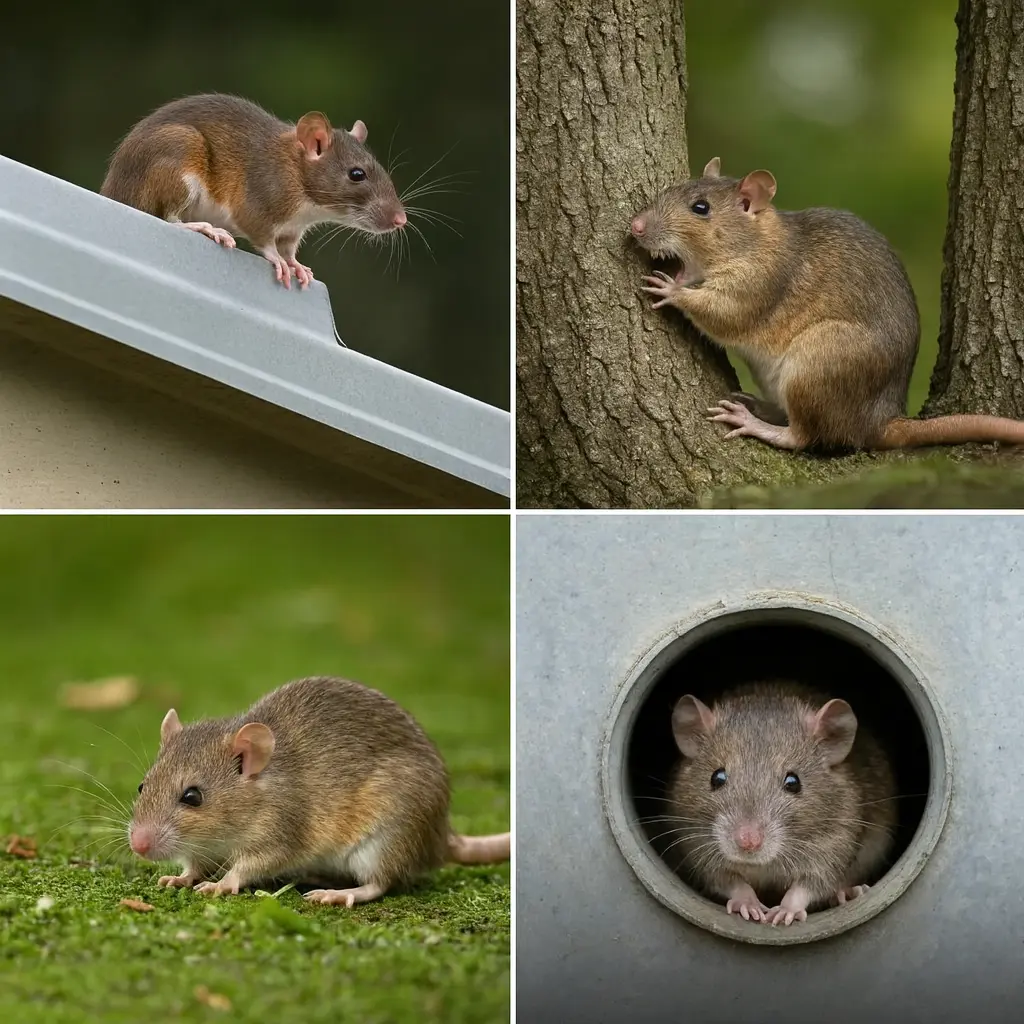
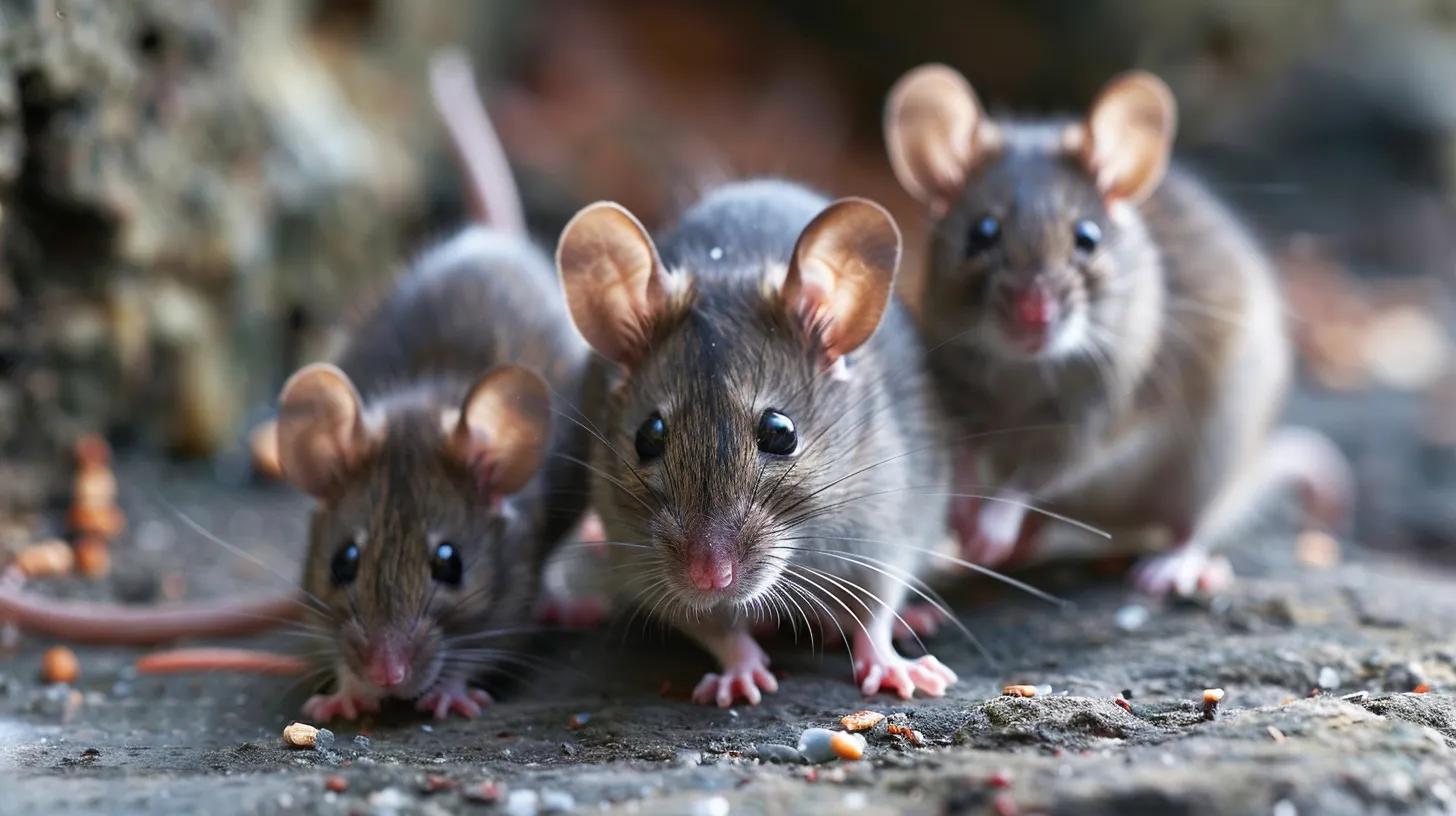
The rodent species you’re most likely to see in Boca Raton are roof rats, Norway rats, house mice, and rodents coming from sewer systems — each prefers different areas around a home. Roof rats favor trees, rooflines, and attics and leave droppings and greasy rub marks on rafters and cables. Norway rats stay at ground level, burrow near foundations, and gnaw on lower walls. House mice squeeze through tiny gaps to nest near food sources, leaving small pellet droppings and shredded nest material. Sewer‑associated rodents can enter through damaged drains or utility conduits. Knowing where each species likes to live helps homeowners and technicians focus inspections and exclusion with species‑appropriate methods.
What Are the Health Risks and Property Damages Caused by Rodents?
Rodents create direct health risks through contamination and disease transmission and cause property damage by gnawing, nesting, and soiling materials that keep a home safe and energy efficient. Urine and droppings can contaminate food and surfaces, and disturbing soiled insulation or droppings can release dust with respiratory irritants and pathogens. Gnawing on wiring, wood framing, and mechanical parts creates fire hazards and speeds structural wear, while contaminated insulation loses R‑value, raises energy costs, and creates persistent odors. Seeing these hazards together makes clear why timely removal, sanitation, and restoration are necessary to fully resolve an infestation.
Rodent Infestations: Health Risks and Control Strategies
Rodent problems have plagued homes and workplaces for as long as humans have lived in permanent structures. While some accept infestations as inevitable, outbreaks of diseases like Hantavirus in parts of the U.S. have renewed attention on the serious health risks rodents pose. This manual serves as a practical training reference to make rodent control in buildings an achievable, documented goal.
Below is a compact comparison of major rodent-borne health risks and common property damages for homeowner reference.
| Hazard | Transmission / Impact | Notes |
|---|---|---|
| Hantavirus and Leptospirosis | Contact with droppings, urine, or contaminated dust | Serious but variable risk; avoid disturbing contamination and use professional cleanup |
| Food contamination | Direct contamination of stored or prepared foods | Affected food should be discarded and areas sanitized |
| Gnawed wiring | Electrical shorts and increased fire risk | A common cause of residential fires linked to rodents |
| Contaminated insulation | Reduced R-value and airborne particulates | Often requires removal and replacement to restore efficiency |
This table shows how health and property risks overlap: contamination increases disease exposure and often means structural remediation is required, underscoring the need for a comprehensive plan that includes inspection, cleanup, and repair.
Which Diseases Can Rodents Transmit to Boca Raton Residents?
Rodents can carry bacteria, viruses, and parasites that reach people and pets through contact with droppings, urine, or by bringing fleas and ticks into the home. In Florida, common concerns include bacterial infections and leptospira exposure from contaminated water or soil, and respiratory risk when droppings are disturbed and inhaled as dust. Secondary risks come from flea‑ or tick‑borne illnesses when rodents introduce those vectors. Reducing exposure through good sanitation, sealed food storage, and professional removal with protected cleanup greatly lowers risk to household members.
How Do Rodents Cause Structural and Fire Hazards in Homes?
Rodents chew wood, insulation, ductwork, and wiring, which degrades building materials and can lead to moisture intrusion, loss of thermal protection, and fire hazards when electrical systems are exposed. Their nesting concentrates droppings and urine in attics and voids, creating odors, corrosion, and health risks that often require attic sanitation and insulation removal. Examples include damaged HVAC insulation that reduces system efficiency and exposed wiring that can spark; these outcomes are preventable when exclusion and targeted repairs follow removal. Proper remediation pairs cleanup with exclusion to stop recurrence.
How Does Bugsy’s Pest Solutions Provide Effective Rodent Control in Boca Raton?
Bugsy’s Pest Solutions follows a structured, research‑informed approach that combines a thorough inspection, targeted, eco‑minded treatments, and durable exclusion and monitoring to deliver lasting results and homeowner peace of mind. Our local, veteran‑owned team serves Boca Raton and nearby counties and emphasizes family‑ and pet‑safe practices, technician training under board‑certified entomologists and University of Florida coursework, and a No Pest Guarantee for re‑service when pests return during the guarantee period. We address the active infestation and the environmental and structural causes behind it. Homeowners get a single workflow that evaluates attic contamination and offers insulation removal and replacement when needed to fully restore a safe living space.
The table below breaks down Bugsy’s three-step rodent control process so homeowners understand what technicians do and why each phase matters.
| Phase | Purpose | What Technicians Look For |
|---|---|---|
| Inspection | Identify species, entry points, and contamination level | Droppings, nests, gnaw marks, entry gaps, attic soiling |
| Treatment | Remove active rodents using targeted, low‑impact methods | Trapping, baiting when needed, placements out of reach of children and pets |
| Exclusion & Monitoring | Seal entry points and prevent re‑entry with durable repairs | Steel mesh, sealants, door sweeps, follow‑up checks and monitoring |
This inspection → action → verification sequence explains how diagnosis guides treatment and why exclusion prevents re‑infestation; understanding these steps helps homeowners evaluate service quality and timelines.
What Is Bugsy’s 3-Step Rodent Control Process?
Bugsy’s three steps begin with a detailed inspection that maps activity, identifies the species, locates entry points, and assesses attic contamination to create a targeted plan. Treatment uses targeted trapping and baiting strategies with low‑impact placements to minimize exposure to children and pets while effectively removing active rodents. The exclusion and restoration phase seals gaps with long‑lasting materials (steel mesh, professional sealants), performs attic sanitation or insulation removal when needed, and schedules follow‑up monitoring under our No Pest Guarantee to confirm the infestation is resolved. The sequence — diagnosis, removal, and proofing — reduces recurrence and protects the home long term.
How Do Eco‑Friendly and Family‑Safe Treatments Protect Your Home?
Eco‑friendly and family‑safe treatments cut chemical exposure by prioritizing exclusion and mechanical removal and by placing any required baits or traps in tamper‑resistant stations away from living areas. Methods include targeted interior and exterior trapping, secured bait stations when appropriate, and exclusion‑first tactics that block nesting sites before using chemical controls. This preserves indoor air quality and protects children and pets. Our technicians explain temporary precautions and prefer attic sanitation over broad sprays that leave residues, making whole‑home restoration safer and less disruptive. These safeguards keep treatment effective while minimizing long‑term exposure risks.
How Can Rodent Exclusion and Proofing Prevent Future Infestations?
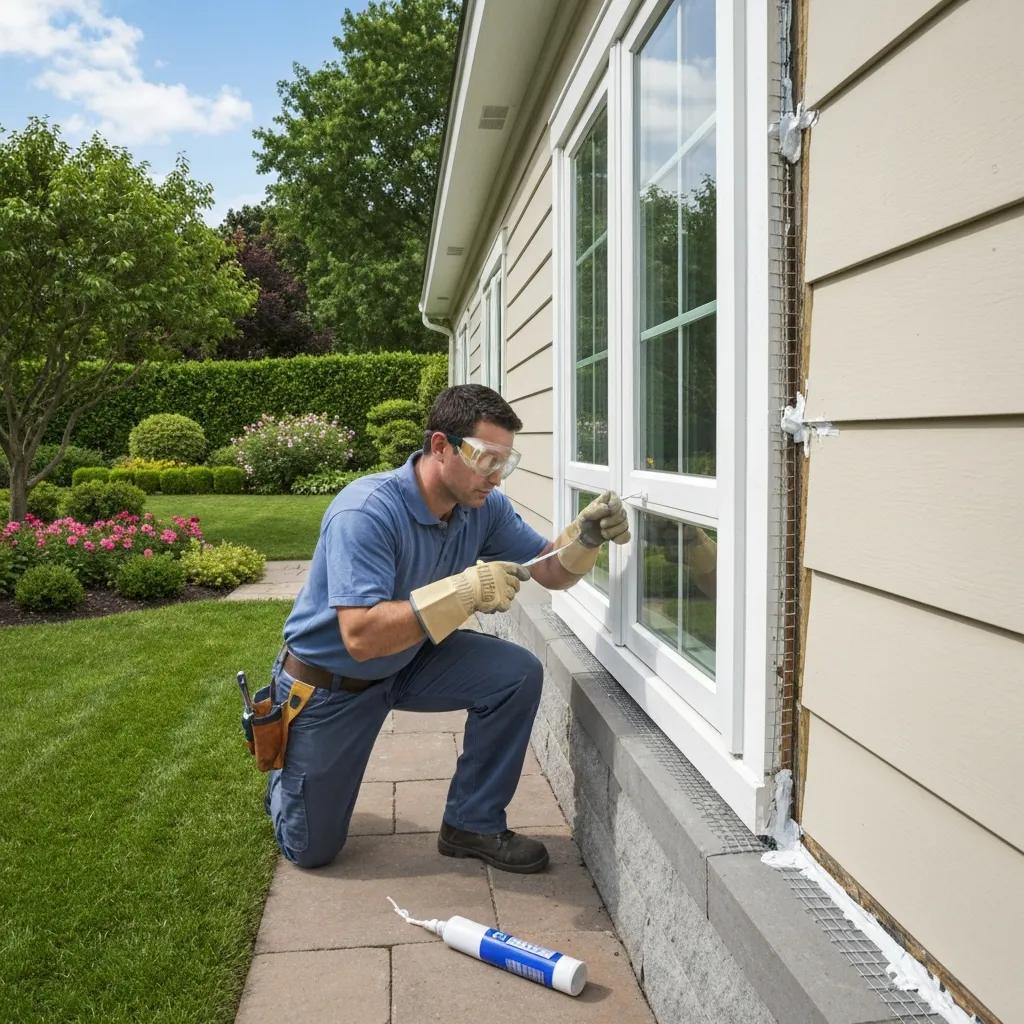
Exclusion and proofing block the access routes and remove the microhabitats rodents use for nesting, pairing durable materials with maintenance practices that sustain protection over time. Sealing gaps larger than a quarter inch, screening vents and chimneys, and installing door sweeps and flashing at rooflines reduce the number of entry points rodents can exploit. Professionals use species‑appropriate materials — steel mesh for attic vents, concrete patching for foundation breaches, and metal flashing at eaves — which last longer than typical DIY sealants and cut down on repeat repairs. Ongoing maintenance of exclusion measures alongside landscaping and sanitation changes completes a long‑term defense against reinfestation.
Rodent-Proof Construction: Preventing Entry and Damage
Rodent‑proof construction is the most effective way to limit rodent damage. New buildings should be designed to prevent entry, and it’s usually less expensive to build in prevention than to add it later. Poor maintenance — like leaving doors or unscreened windows open — can still allow rodents in, so the techniques discussed apply to both new construction and retrofit work on existing structures.
The checklist below lists the exclusion steps homeowners or technicians should prioritize to proof a home against rodents.
- Seal openings larger than 1/4 inch: Use durable materials such as steel mesh or hardware cloth around vents and utility penetrations.
- Install door sweeps and screen gaps: Repair torn screens and fit sweeps on exterior doors to block ground‑level access.
- Repair foundation and roofline breaches: Use concrete patching, metal flashing, or professional‑grade sealants where structural gaps exist.
This checklist highlights durable, high‑impact repairs that reduce re‑entry risk and work alongside inspections and landscape management.
What Are Common Rodent Entry Points in Boca Raton Homes?
Typical entry points include roofline gaps and attic vents used by roof rats, gaps around plumbing and HVAC penetrations that allow mice, foundation cracks and poorly sealed garage doors that let Norway rats in, and damaged drain lines or utility conduits used by sewer‑associated rodents. These vulnerabilities often hide along eaves, behind soffits, or where different materials meet; small gaps around cables or pipes are especially easy for mice to exploit. Regular perimeter checks can spot wear before rodents find those weaknesses, and identifying entry patterns during an inspection guides targeted exclusion work. Fixing these routes reduces reinfestation risk after treatment.
Which Materials and Techniques Are Used for Rodent Proofing?
Effective proofing uses materials and methods chosen for durability and the specific application: steel mesh and hardware cloth for vents and small gaps, concrete and metal flashing for foundation and roofline repairs, high‑grade sealants for movement joints, and properly installed door sweeps for thresholds. The short comparison below clarifies best uses and expected longevity to help homeowners choose the right repairs.
| Material | Best Use | Longevity / Effectiveness |
|---|---|---|
| Steel mesh / hardware cloth | Vents, attic openings, small gaps | High longevity; resists gnawing and weathering |
| Concrete / metal flashing | Foundation cracks, roofline repairs | Very durable; ideal for structural breaches |
| High-grade sealants | Small gaps and movement joints | Moderate longevity; best when combined with mesh or flashing |
Choosing the right combination improves exclusion effectiveness and reduces repeat interventions. Professional installation typically delivers longer‑lasting results than DIY fixes.
Why Is Attic Sanitation and Insulation Replacement Essential After Rodent Removal?
Attic sanitation and insulation replacement are essential because contaminated insulation and soiling trap pathogens, odors, and nesting materials that remain hazardous even after rodents are removed, undermining long‑term success. Soiled insulation loses thermal performance and can hide remaining pests, while accumulated droppings and urine can release particulates into the home when disturbed or when HVAC runs. Proper remediation requires containment, safe removal and disposal of contaminated materials, and replacement with fresh insulation to restore R‑value and remove biological reservoirs. Treating attic contamination as part of the rodent control workflow ensures remediation is complete rather than cosmetic.
Before the remediation table, this paragraph highlights the practical homeowner benefits of sanitation and insulation replacement after infestation.
| Remediation Step | Purpose | Outcome |
|---|---|---|
| Sanitation & decontamination | Remove droppings, nesting materials, and pathogens | Reduces health risks and odors |
| Insulation removal | Eliminate heavily soiled or compromised insulation | Restores R‑value and prevents re‑nesting |
| Insulation replacement | Install new thermal barrier (recommended attic insulation) | Improves energy efficiency and long‑term protection |
This table shows that sanitation plus insulation replacement restores both safety and building performance, closing the remediation loop after effective rodent removal.
What Health Hazards Does Attic Contamination Pose?
Attic contamination can create respiratory and infectious hazards when droppings, urine, and decomposed nesting material are disturbed and become airborne, entering living spaces through HVAC circulation. Contaminated insulation also causes persistent odors and worsens indoor air quality, which can affect sensitive occupants and aggravate respiratory conditions. Handling these materials without proper protection risks exposure for homeowners or untrained cleaners, and improper disposal can spread contaminants. These hazards make professional sanitation and insulation replacement the safer, more effective choice.
How Does Bugsy’s Restore Attic Insulation and Prevent Re‑Infestation?
Bugsy’s attic workflow pairs safe sanitation, careful removal of contaminated insulation, inspection for structural and wiring damage, and professional replacement with the right insulation materials followed by exclusion checks to prevent re‑entry. Our technicians use containment and PPE during removal to limit airborne exposure, document damage that needs repair, and coordinate exclusion work such as vent screening and mesh installation before installing new insulation. This integrated approach removes biological hazards and odors, restores thermal efficiency, and eliminates attractants that encourage re‑nesting. Homeowners receive estimates for these services and guidance on follow‑up monitoring to maintain protection.
How Can Boca Raton Homeowners Get a Free Rodent Inspection and Estimate?
Homeowners can request a free rodent inspection and estimate by giving basic property details and describing observed activity so our technicians can prepare for a focused visit. The inspection typically includes perimeter checks, attic and crawlspace evaluation, interior evidence documentation, and a written estimate that outlines recommended treatments and any restoration needs. Response times depend on availability, but a scheduled inspection documents species, entry routes, and contamination level and presents clear options, timelines, and follow‑up under any guarantee. When scheduling, mention attic access points and recent sightings to help technicians prioritize diagnostics. A transparent inspection leads to a written plan and estimate so families can make informed choices.
Steps below summarize what to expect during a professional inspection and how estimates are usually delivered.
- Technician conducts a complete walk of the exterior, interior, attic, and crawlspaces to document evidence and entry points.
- Findings are compiled into a written estimate outlining recommended treatments, exclusion repairs, and any attic remediation needed.
- The estimate explains follow‑up monitoring and guarantee terms so homeowners understand responsibilities and timeframes.
What Should You Expect During a Professional Rodent Inspection?
An inspection typically starts with an exterior perimeter survey to find burrows, roofline access, and landscaping attractors, then moves inside to check attics, basements, and voids for droppings, nests, and gnawing. Technicians document findings, photograph key issues, and map likely entry routes to create a prioritized list of treatments and repairs, delivering a written estimate that separates removal, exclusion, and restoration costs. Visits usually take 45–90 minutes depending on property size and evidence level; occupants are asked to point out recent sightings and provide safe attic access. This structured visit ensures the plan addresses both immediate control and long‑term prevention.
How Does Bugsy’s Guarantee Effective Rodent Control Results?
Bugsy’s No Pest Guarantee includes re‑service at no extra charge if pests return during the guarantee period, provided homeowners follow reasonable sanitation and exclusion recommendations that support long‑term success. The guarantee covers follow‑up visits and adjustments to treatment and monitoring schedules so technicians can address persistent or previously hidden entry points uncovered after the initial work. Homeowner responsibilities — such as removing outdoor attractants and securing food — are explained at the estimate to ensure conditions that support the guarantee. This commitment to re‑service focuses on lasting outcomes, not one‑time fixes.
What Are the Common Signs of Rodent Infestation in Boca Raton Homes?
Spotting the early signs of infestation helps homeowners act quickly and limit health and property damage. Look for visible droppings, fresh gnaw marks, scratching or scurrying sounds in walls or attics, nests made from shredded materials, and chewed food packaging. Early detection prevents large‑scale contamination and wiring damage and guides whether trapping, baiting, or a professional inspection is needed. The most urgent signs — live rodents in living areas, heavy attic droppings, or gnawed electrical wiring — should prompt an immediate professional response. Use the tips below to distinguish minor activity from situations needing prompt intervention.
Quick identification checklist for on‑site assessment.
- Droppings: Look for pellet‑shaped droppings near food sources, in drawers, or along baseboards to find active areas.
- Gnaw marks and chewed packaging: Fresh gnawing on food packaging or wires signals recent activity and higher urgency.
- Noises and nests: Scratching in walls and shredded nesting material in attics suggest breeding or a significant infestation.
How to Identify Rodent Droppings, Gnaw Marks, and Nests?
Mouse droppings are small, dark, and pellet‑like and usually appear near pantry items and behind appliances. Rat droppings are larger and often follow runways near nesting sites. Nests are typically made of shredded paper, fabric, or dried plant material and are found in quiet voids. Gnaw marks differ by species: mice leave small paired tooth marks, while rats create larger, irregular gouges in wood, plastic, and softer metal. Visually inspect without disturbing materials, and take photos for the technician to speed species ID and treatment planning. These cues guide targeted interventions and help decide if attic sanitation or insulation replacement is needed after removal.
When Should You Contact a Rodent Exterminator in Boca Raton?
Call a professional right away if you see live rodents inside your home, find large amounts of droppings in attics or food areas, notice chewed wiring, or hear persistent nocturnal noises that indicate breeding. These signs raise health and safety risks that DIY steps may not resolve. For earlier signs — a few droppings or isolated gnaw marks — schedule a professional inspection promptly to prevent escalation. An exterminator provides a full diagnosis, safe removal options, exclusion repairs, and guidance on whether attic sanitation or insulation replacement is needed to avoid repeat problems.
Frequently Asked Questions
What preventive measures can I take to avoid rodent infestations?
Start with three practical steps: secure garbage in tightly sealed containers and store pet food indoors; keep vegetation trimmed and away from the foundation to remove nesting sites; and seal any gaps larger than 1/4 inch around windows, doors, and utility lines. Regular checks and maintenance keep these measures effective and help you catch new vulnerabilities early.
How can I identify the type of rodent in my home?
Look at where you see activity and the signs left behind. Roof rats are usually in higher areas like attics and trees; Norway rats stay at ground level and burrow; house mice are small and leave droppings near food sources. Droppings, gnaw marks, and nests are the main clues. If you’re unsure, a pest professional can identify the species and recommend targeted treatments.
What should I do if I see a live rodent in my home?
Don’t touch it. Secure food sources and remove attractants, then call a professional for safe removal. Trying to catch a wild rodent yourself can be risky and may spread contamination. Early professional intervention prevents a small sighting from becoming a larger problem.
How often should I schedule professional inspections for rodent control?
At minimum, schedule an inspection once a year, or more often if you live in an area prone to infestations. Regular inspections help find entry points and early signs before problems grow. If you notice droppings, gnaw marks, or noises, book an inspection right away.
What are the benefits of attic sanitation after rodent removal?
Sanitation removes droppings, urine, and nesting materials that can carry pathogens and odors. Cleaning the attic improves indoor air quality, removes biological reservoirs, and — when combined with insulation replacement — restores thermal efficiency, which can lower energy costs. Thorough sanitation helps ensure your home is safe after an infestation.
Can I handle rodent control on my own, or should I hire a professional?
Some minor issues can be handled with DIY prevention, but professionals are usually safer and more effective for active or widespread infestations. Technicians have training, tools, and protocols for safe removal, exclusion, and remediation. For serious infestations or if you’re unsure how to proceed, hire a pest control expert.
How Much Does Rodent Control Cost in Boca Raton?
Costs depend on infestation severity, property size, and whether exclusion or attic remediation is needed. Initial inspection and treatment prices vary with access and evidence; exclusion work and insulation replacement are typically priced separately. Because so many variables affect cost, a free professional estimate gives the most accurate total for your property. Expect itemized estimates that separate inspection, treatment, exclusion, and any attic sanitation or insulation replacement so you can decide with full transparency.
Are Rodent Control Treatments Safe for Children and Pets?
Yes — when providers use family‑ and pet‑safe practices like tamper‑resistant bait stations, an exclusion‑first approach, and targeted traps, treatments can be done with minimal exposure risk. Technicians explain temporary precautions and avoid broad chemical applications in living spaces, preferring confined placements and mechanical controls when possible. Follow-up sanitation and replacing contaminated materials further cut residual exposure and help maintain a healthier home.
Is Rodent Exclusion a Permanent Solution for Boca Raton Homes?
Proper exclusion is the best long‑term strategy because it closes physical routes rodents use to enter a home. Permanence depends on ongoing maintenance, landscaping choices, and periodic checks to repair new wear or breaches. Pair exclusion with sanitation and monitoring to address attractants and spot vulnerabilities early. Regular professional checks and homeowner vigilance keep exclusion effective over time.
How Can I Prevent Rodents from Returning After Treatment?
Prevent return by securing garbage and pet food, storing dry goods in sealed containers, trimming vegetation away from foundations and rooflines, sealing gaps larger than 1/4 inch, and scheduling periodic professional inspections to catch new entry points. These steps reduce attractants and close access routes, working with professional exclusion and monitoring to keep your property rodent‑resistant. Consistent application of these measures supports any guarantee and reduces the chance of costly restoration later.
This guide delivers practical, ecosystem‑aware rodent control advice for Boca Raton homes: species recognition, health‑risk comparisons, an exclusion checklist, and the role of professional inspection and remediation to restore a safe, energy‑efficient living space.