Berry season in Palm Beach County brings opportunity — and pests. Effective pest control protects both yield and fruit quality. Below, we cover the pests most likely to threaten berry crops, proven control methods, and simple, farm-ready tips you can use all season. We also explain how proper insulation helps keep pests out of storage and processing areas, and how to request services tailored to berry farms.
Common Pests That Threaten Palm Beach Berry Crops
Berry fields here are vulnerable to a range of pests that can cut yields and damage fruit quality. Recognizing the usual suspects is the first step toward smart, timely management.
Ant Species That Cause the Most Damage on Berry Farms
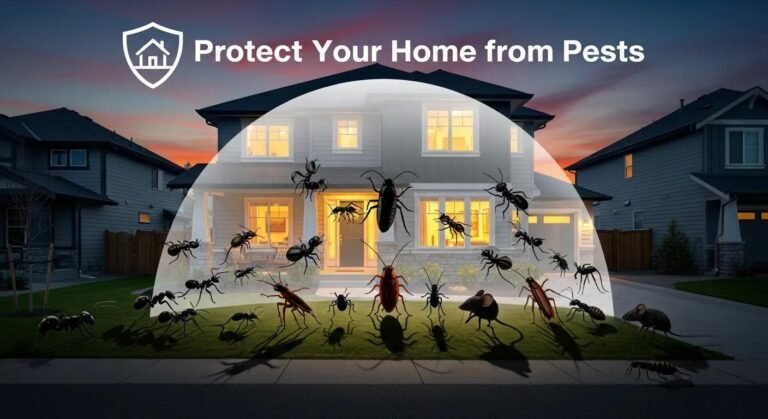
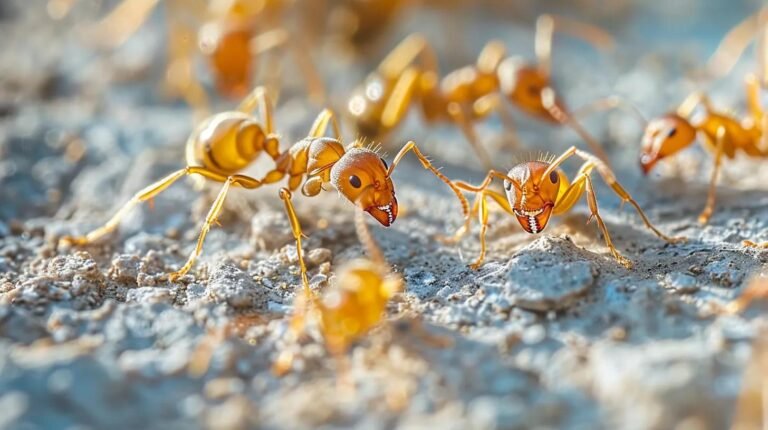
Ants — especially Argentine ants and red imported fire ants — are frequent problems. They feed on fruit, farm and protect aphids, and upset the farm’s natural balance. Spotting an ant problem early and treating nests or trails can prevent cascading pest issues later in the season.
How Seasonal Pest Cycles Affect Berry Health
Pests often ramp up as temperatures climb in spring, matching the flowering and fruiting stages of berry plants. That overlap raises the risk of crop damage, so timing interventions to the pests’ life cycles lets you prevent outbreaks instead of just reacting to them.
Top Pest Control Methods for South Florida Berry Farms
Protecting berry crops usually means combining approaches — cultural, biological, physical, and, when necessary, targeted chemistry — to keep pests below damaging levels.
Organic Options That Protect Fruit Safely
Organic tools like neem oil and insecticidal soaps are effective against many soft-bodied pests and have less impact on beneficial insects. They’re a good fit for sustainable operations and often allow shorter waiting periods before harvest, helping you get fruit to market faster.
When to Use Chemical Treatments and Physical Barriers
Use chemical controls sparingly and only when pest counts exceed economic thresholds. Physical barriers — row covers, exclusion nets, and similar materials — block pests while letting light and moisture through. Correct timing and placement are key to making these measures work.
How Insulation Helps Keep Pests Out During Berry Season
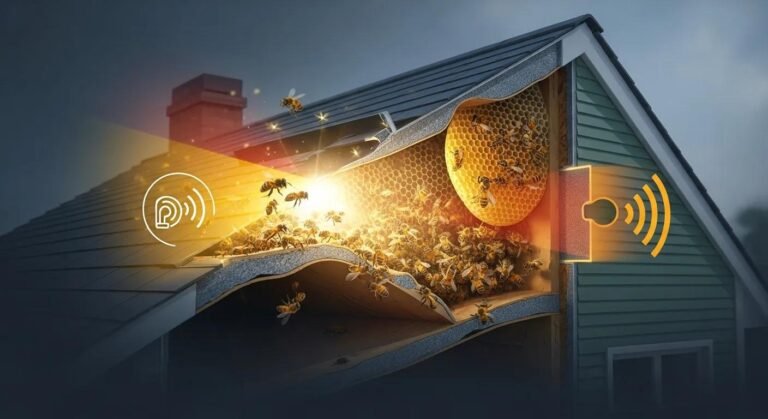
Insulation matters for more than temperature control. Well-sealed, insulated storage and packing areas reduce gaps and entry points, making it harder for rodents and insects to establish inside facilities.
Insulation Types That Block Pest Entry
Foam board and spray foam insulation both create tight seals that close off gaps pests use to get inside. Choosing the right material and installing it properly can significantly lower the risk of infestations in buildings that handle or store fruit.
Pairing Insulation upgrades with Pest Control for Better Results
When insulation upgrades are combined with routine pest control, you get a stronger, longer-lasting defense. Sealing entry points reduces pressure on treatments and helps protect the investment you make in crop protection.
Seasonal Pest Management Tips for Palm Beach Berry Farms
Good pest management is proactive. Regular checks and small, consistent practices pay off more than occasional emergency treatments.
Monitoring Pest Activity Throughout the Season
Inspect crops weekly and use traps and visual checks to spot problems early. Early detection gives you more low-impact options and avoids the need for heavier interventions later on.
Top Preventive Actions During Peak Pest Pressure
- Regular Inspections: Check fields weekly for feeding, droppings, or unusual activity.
- Cultural Practices: Rotate plantings, clean up crop debris, and manage irrigation to remove pest-friendly habitats.
- Biological Controls: Encourage or introduce predators like ladybugs and parasitic wasps to keep pest populations in check.
Request a Free Estimate & Schedule Commercial Pest Control

If you’re ready to protect your operation, learning how to request services is simple — and free estimates make planning easier.
How to Get a Free Pest Control Estimate in Palm Beach County
Requesting a free pest control estimate usually means contacting a local provider like Bugsy’s Pest Solutions with details about your pest issues and the size of your operation. That information lets the technician recommend a plan that fits your farm and budget.
How Bugsy’s Protects Berry Farms
Bugsy’s Pest Solutions builds plans that combine prevention, monitoring, and targeted treatments. We focus on solutions that protect crop quality while limiting downtime and chemical exposure — practical choices for farmers facing peak berry season.
Frequently Asked Questions
What are the signs of a pest infestation in berry crops?
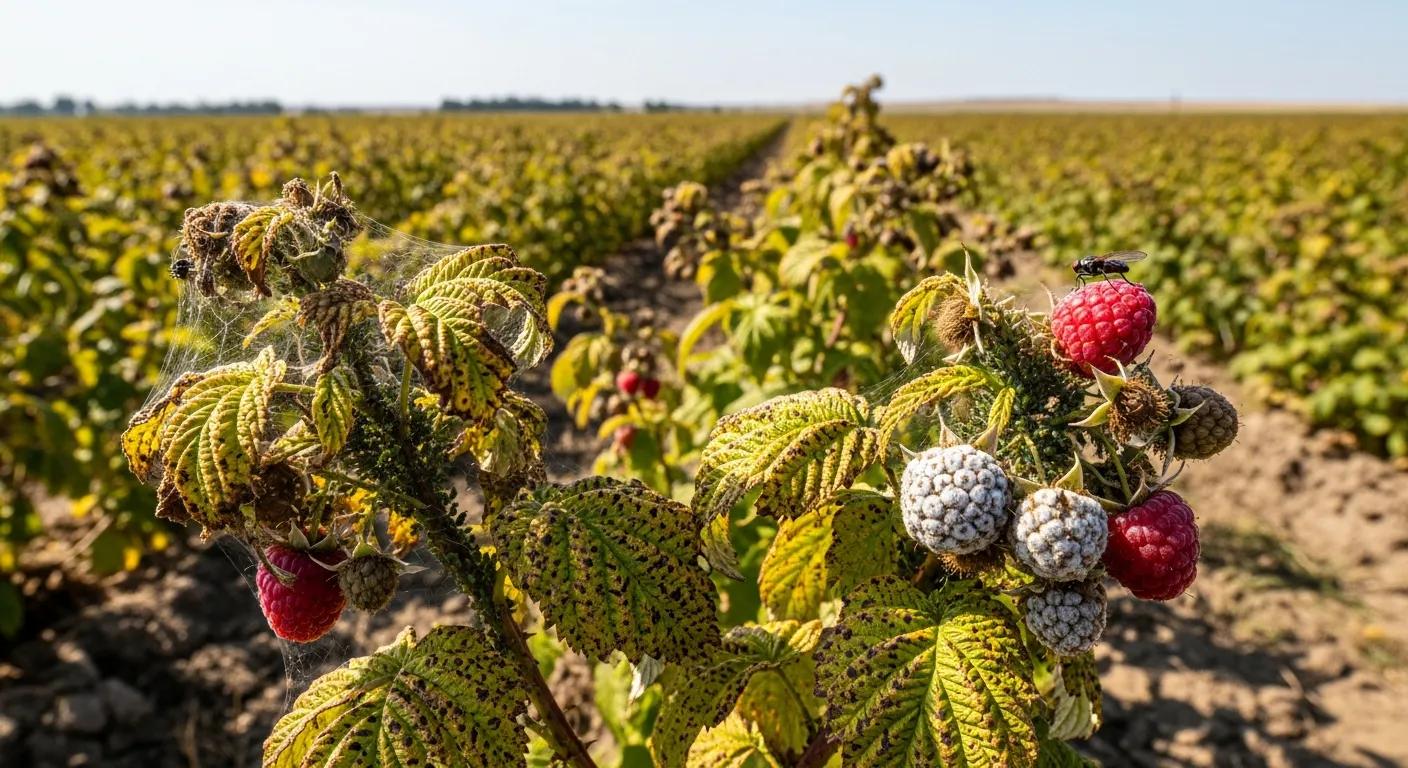
Look for chewed leaves or fruit, holes, discoloration, and webbing. You may also see droppings or the insects themselves (aphids, caterpillars, ants). Yellowing or stunted plants can signal stress from pests. Regular scouting helps you catch these signs early.
How can farmers choose the right pest control method for their needs?
Choose based on pest ID, infestation scale, and your harvest calendar. Start with cultural and biological options; use chemicals only when needed. Consulting a pest control professional provides site-specific recommendations and keeps treatments effective and safe.
What role do beneficial insects play in pest management for berry farms?
Beneficials like ladybugs and lacewings eat aphids and other pests, reducing the need for pesticides. Planting flowering borders and minimizing broad-spectrum sprays helps attract and sustain these natural allies.
How often should pest control measures be reviewed and adjusted?
Review plans at the start of each season and adjust throughout berry season based on scouting results. If pest pressure rises or new issues appear, tweak your approach promptly to avoid bigger problems.
What are the environmental impacts of chemical pest control methods?
Chemicals can harm non-target species, contaminate soil and water, and encourage resistance if overused. Integrated Pest Management (IPM) — combining targeted chemistry with cultural and biological controls — reduces environmental impact while keeping pests manageable.
How can farmers educate themselves about pest management best practices?
Use local extension services, workshops, university resources, and trusted pest control partners. Networking with other growers and staying current with research helps you adopt practices that protect both your crop and the local environment.
Conclusion
Implementing effective pest control strategies during peak berry season is essential for safeguarding crop quality and maximizing yields. By understanding common pests and utilizing a combination of organic and chemical methods, farmers can proactively manage threats to their berry crops. Regular monitoring and proper insulation further enhance protection against infestations. Take the next step in securing your harvest by exploring our pest control services tailored for berry farms today.