Fire ants can turn a yard or commercial site into a safety and upkeep headache fast. This guide gives practical, Florida-focused steps to identify, reduce, and treat infestations safely. You’ll learn how to spot the fire ant species common in Florida, immediate actions to lower sting risk and spread, the main treatment types and how they work, realistic cost factors for professional control, and seasonal prevention steps to keep colonies from coming back.
We focus on useful advice for Florida homeowners and property managers — when to try DIYs, when to call a pro, and how to protect people, pets, and landscaping. We use current terms like red imported fire ant and native fire ants, explain mounds, workers, queens, and foraging trails, and link those ideas to treatment choices and safety. Read on for step-by-step options, side-by-side treatment info, cost guidance with a simple cost-factor table, and a prevention checklist you can use seasonally in Florida yards.
What Are Fire Ants and Why Are They a Problem in Florida?
Known for building prominent mounds and foraging across large distances, fire antsare stinging insects that include both native species and the widespread red imported fire ant (Solenopsis invicta). These ants thrive especially well in disturbed environments and are perfectly suited to the warm, humid conditions found throughout Florida. Colonies include a queen, thousands of workers, and established foraging trails, so they stick around yards, playgrounds, and commercial properties.
The main risks are painful stings and possible allergic reactions, plus damage to irrigation, electrical gear, and ornamental plants when ants nest near infrastructure. That’s why integrated ant control — using baits, contact treatments, and habitat changes together — usually beats a single method. Next, we’ll show how to recognize species and signs of infestation so you can pick the right control approach for your Florida property.
Identifying Fire Ant Species Common in Florida
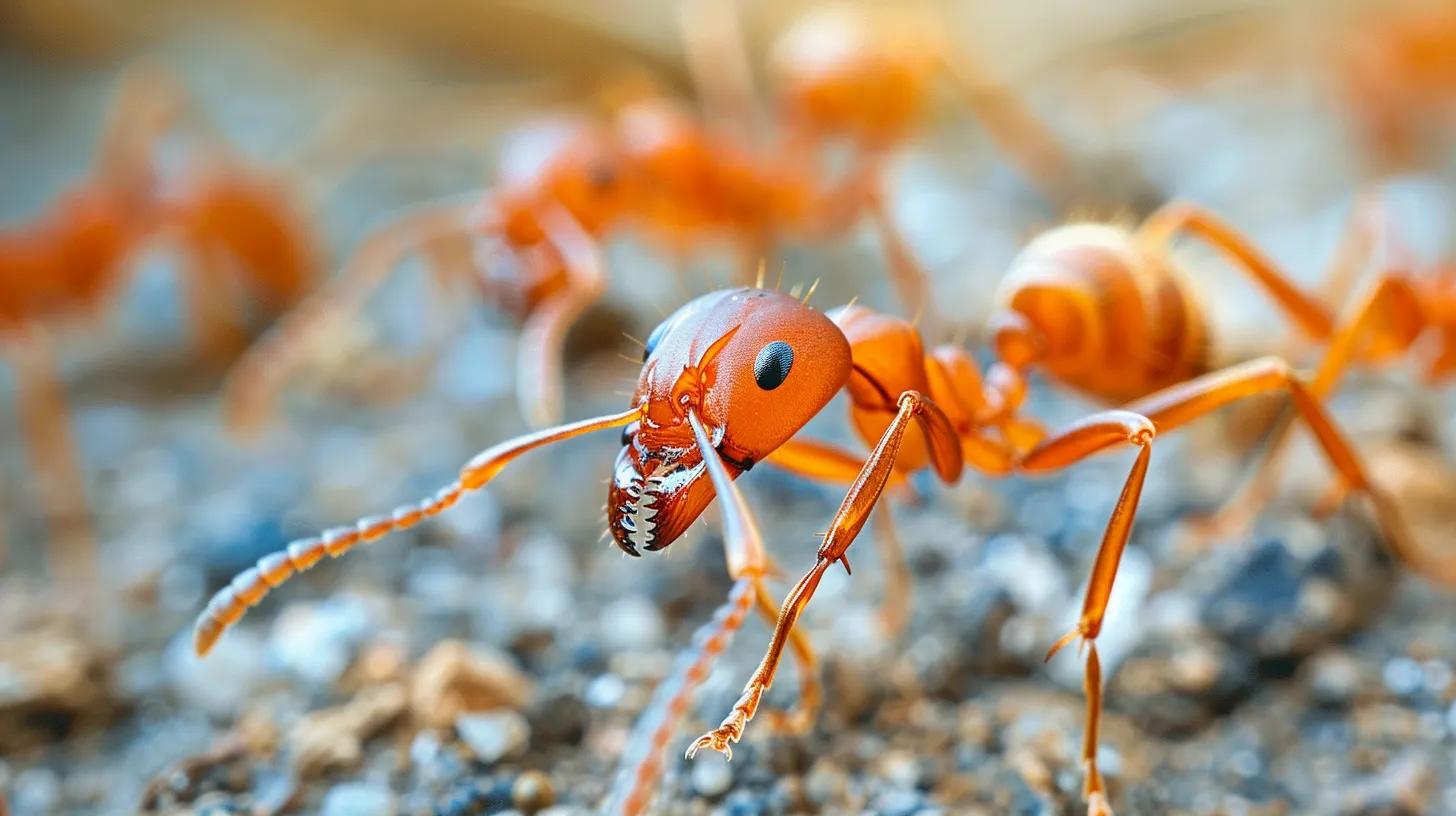
Start identifying fire ants by watching color, size, mound shape, and aggressive behavior — details that protect people and guide treatment choices. Red imported fire ants are often reddish-brown with darker abdomens and make dome-shaped mounds in sunny spots.
Native fire ants vary in color and sometimes nest under debris or along borders. Look for the key parts of a colony: the mound, workers that swarm when disturbed, and visible foraging trails radiating from the nest — these signs show active colonies and where baits will work best.
Quick safety checklist: don’t poke mounds, count and map the mounds you find, and note recent landscaping or irrigation changes that might shift colony locations. Identifying species and nesting behavior helps you assess risk and pick effective treatments.
Understanding the Risks and Damage Caused by Fire Ants
Beyond their painful stings, fire ants pose a double threat to both public health and property. Their ability to rapidly expand colonies and disrupt the soil can lead to significant environmental damage and structural issues. Stings are painful and can turn into pustules; people with allergies may have serious reactions that need medical care, so control is urgent around kids and pets. On the property side, colonies can damage irrigation lines, harm sod and ornamentals, and interfere with outdoor uses and commercial operations like playgrounds and event spaces.
These safety and economic issues often justify a professional assessment for large or persistent infestations — especially when many mounds appear or landscaping and equipment are at risk. Knowing these hazards makes the case for timely treatment and ongoing prevention.
How Can You Get Rid of Fire Ants in Florida?
Getting rid of fire ants in Florida is best done with a mix of immediate containment and medium-term colony control — combining DIY steps and professional services depending on severity and safety needs.
Immediate steps: don’t disturb mounds (to avoid swarming), keep kids and pets away, and mark active mounds so you can treat them safely later.
Medium-term control: homeowners can use baits to interrupt food sharing or contact insecticides for quick knockdown, but understand queens and satellite nests may remain unless you use repeated or integrated methods.
If DIY methods don’t work — for example, you see many mounds, constant re-infestation, or safety concerns — bring in a licensed professional. Technicians can inspect, map mounds and trails, combine baiting with mound treatments, and provide follow-up monitoring more reliably.
Use this quick action list to reduce risk and decide the next step.
- Mark and avoid active mounds: Keep children and pets away and prevent accidental disturbance.
- Reduce attractants: Remove food scraps, fallen fruit, and standing water near activity areas.
- Plan targeted treatments: Use baits along foraging trails or contact a professional for an integrated plan.
DIY Fire Ant Control Methods and Home Remedies
DIY control focuses on baits (for colony-wide suppression) and mound drenches or sprays (for fast knockdown). Granular baits work when workers pick up slow-acting toxicants and share them with the queen and brood — they’re most effective in warm weather and when used exactly as the label directs. Mound drenches and contact sprays quickly reduce visible activity but often don’t reach deep queens or satellite nests without follow-up; they also require careful handling and PPE to keep people and pets safe.
Home remedies like boiling water or soapy mixes can lower surface activity but usually won’t eliminate established colonies, which is why many homeowners switch to professional help if results are incomplete or safety is a concern.
When to Call a Professional Fire Ant Exterminator in Florida
Call a pro when infestations are widespread, return after DIY attempts, or when vulnerable people, animals, or sensitive landscaping need guaranteed results. A professional will inspect your site, map mounds and foraging paths, and create an integrated pest management (IPM) plan that mixes baits, targeted contact treatments, and habitat changes for better long-term control.
Other reasons to call a pro include large commercial properties, repeated mound re-establishment, or situations where homeowners shouldn’t handle pesticides because of health or regulatory concerns. Pros also offer follow-up monitoring and warranty or service plans, which are valuable for commercial or rental properties that require documented, reliable control.
If you prefer a professional evaluation, Bugsy’s Pest Solutions offers free on-site estimates and inspections to assess infestation severity and recommend a treatment plan tailored to your property. Their local experience helps match baits, mound treatments, and follow-up visits to your yard’s conditions. Requesting a free estimate gives you a no-obligation assessment and timeline for expected results, which helps you choose between a DIY route and hiring a licensed provider. Professional help bridges DIY limits and delivers a coordinated program to reduce re-infestation risk.
What Are the Most Effective Fire Ant Treatment Solutions Available?
The most effective fire ant treatments fall into three categories: baits, contact insecticides (mound drenches and sprays), and natural or reduced-risk options. Each has a different mode of action, speed, and safety profile. Baits rely on foraging and trophallaxis (food sharing) to carry slow-acting active ingredients back to the queen and brood — they reduce colony size over weeks and are great for broad-area control. Contact insecticides kill on contact and give quick relief from stings and visible ants, but they may miss deep queens unless followed by baits or repeat visits.
Natural treatments (botanical insecticides or biological agents) can lower populations with a smaller environmental footprint but often work slower and may need repeat applications. The best results usually come from combining approaches within an IPM plan that balances effectiveness and safety.
Baits, insecticides, and natural treatments explained:
- Baits: Best for colony-wide control when placed correctly during active foraging; slow-acting to reach the queen.
- Contact insecticides: Provide fast reduction of visible ants and stings; good for immediate trouble spots but often require follow-up.
- Natural/reduced-risk options: Lower environmental impact; useful for sensitive areas or maintenance but typically slower.
These categories match different needs — baits for perimeter and broad suppression, contact treatments for urgent knockdown, and natural options for ongoing maintenance or sensitive landscaping — and they help you decide if professional services are needed.
Before comparing options, remember safety and follow-up matter: Bugsy’s Pest Solutions emphasizes correct application, integrated plans combining baits and targeted contact treatments, and follow-up inspections to confirm colony suppression. They offer free on-site inspections so homeowners can see which mix of treatments fits their yard and family safety needs.
When choosing a provider, favor licensed applicators who tailor active ingredients and timing to Florida’s seasonal ant cycles for the best balance of speed and lasting control. Scheduling a professional inspection helps match your site to the right treatment mix and lowers the chance of repeat infestations.
| Treatment Category | Mode of Action | Best Use-Case & Speed | Safety Notes |
|---|---|---|---|
| Granular/scented baits | Slow-acting toxicant carried to queen | Broad-area colony control; several days–weeks | Low direct exposure if used per label; avoid during rain |
| Contact insecticides (drenches/sprays) | Immediate contact kill | Fast knockdown of active mounds; immediate relief | Higher exposure risk; follow PPE and label directions |
| Natural/biopesticide options | Botanical or biological suppression | Sensitive areas or maintenance; slower results | Lower non-target impact; may need repeated use |
How Much Does Fire Ant Treatment Cost in Florida?
Costs vary based on treatment type, infestation severity, property size, and whether monitoring or a warranty is included. That affects whether pricing is per mound, per service, or a subscription. Major cost drivers are how many visible mounds you have, landscape complexity (access, irrigation, rock or hardscape), the treatment approach (baits alone versus combined baiting and mound drenches), and whether you want warranty or recurring service.
Typical pricing models include per-mound charges for small jobs, flat-rate whole-yard services for larger residences, and custom commercial contracts for extensive or sensitive sites. Example estimates can show the range, but an on-site inspection gives the most accurate quote. Knowing these cost components helps you pick the most cost-effective route while keeping safety and long-term control in mind.
Factors Influencing Fire Ant Treatment Pricing
Several factors affect final pricing — property prep, accessibility, infestation density, and needed follow-ups are key. Issues like gated yards, complex hardscape, or heavy vegetation raise labor time and costs, while larger yards change product quantities and service structure. Infestation density determines whether a single baiting works or if intensive mound treatments and multiple visits are necessary; warranty-backed plans and repeat treatments cost more up front but lower long-term reinfestation risk.
Preparing the yard (clearing debris, noting irrigation schedules) can reduce technician time and sometimes lower the estimate, which is why providers ask detailed questions before quoting.
| Service Type | Cost Driver | Rough Price Range / Notes |
|---|---|---|
| Per-mound treatment | Labor per mound, product used | Variable; small jobs often priced per mound with discounts for multiple mounds |
| Property-wide initial treatment | Yard size, product combination | Typically broader flat-fee for whole-yard baiting plus targeted mounds |
| Recurring/maintenance plans | Frequency, warranty coverage | Monthly/quarterly plans priced to include follow-up and re-treats as needed |
Estimating Costs for Professional Fire Ant Control Services
These example scenarios show how pricing elements combine and what details companies need for an accurate free estimate.
Example 1: A small yard with 1–5 visible mounds might be treated with baits and a couple of targeted mound treatments — expect a modest one-time fee plus optional follow-up.
Example 2: A large residential yard with scattered mounds often needs whole-yard baiting, targeted mound drenches, and at least one follow-up visit — costs rise but control lasts longer.
Example 3: Commercial properties or sensitive sites may require a custom contract with regular monitoring and warranty coverage — higher initial and recurring costs but documented protection.
To get a precise quote, share yard size, the number of visible mounds, recent treatment history, and any access or sensitive-area notes; many providers — including Bugsy’s Pest Solutions — offer free on-site estimates using those details. Requesting a free estimate makes it easier to match recommendations to your property and budget.
How to Prevent Future Fire Ant Infestations in Florida?
Prevention means making your property less appealing to foraging ants, using landscape practices that discourage mound-building, and scheduling monitoring or preventive treatments during Florida’s active seasons. Key prevention steps include reducing food and moisture sources, managing mulch and turf appropriately, and avoiding unnecessary soil disturbance that invites colonies.
Seasonal preventive baiting or pairing homeowner maintenance with professional monitoring lowers the chance of re-infestation and helps catch new satellite colonies early. The checklist and maintenance mapping below give a practical rhythm for tasks and their benefits to keep fire ants from returning.
Landscaping and yard maintenance tips to deter fire ants:
- Keep turf mowed and healthy: Thick, healthy turf reduces exposed soil that ants prefer for mounds.
- Manage mulch and debris: Limit deep mulch near foundations and remove decaying wood that attracts insects.
- Fix irrigation issues: Eliminate standing water and overly moist zones that draw ant foraging.
These landscaping steps reduce habitat suitability and work together with targeted preventive treatments.
| Task | Frequency | Expected Benefit |
|---|---|---|
| Turf mowing and edging | Weekly during growing season | Reduces open soil and suitable mound sites |
| Debris and leaf removal | Monthly or as needed | Removes shelter and food sources that attract ants |
| Preventive baiting or inspection | Seasonal (spring/fall) | Early suppression of new colonies before expansion |
Ongoing Monitoring and Treatment Strategies
Set a simple monitoring routine — monthly visual checks and seasonal baiting — to spot and treat new colonies before they threaten safety or landscaping. If multiple mounds recur, escalate to professional monitoring. During monthly checks, look for fresh mounds, higher worker activity on trails, and changes after landscaping or irrigation work; those signs can trigger targeted baiting or mound treatments.
Preventive treatments are typically most effective in spring and fall in Florida when ants are active, and professional follow-up can include warranty-backed re-treats and records that help track reinfestation patterns. If you prefer hands-off care, service plans that bundle scheduled inspections with preventive baiting deliver steady reduction and peace of mind.
- Regular inspections: Monthly visual checks catch new mounds early.
- Seasonal preventive baiting: Spring and fall baiting interrupts colony growth cycles.
- Professional monitoring: Contracts provide scheduled visits and warranty-backed re-treats.
Used together with the maintenance checklist, these steps create a layered prevention plan that lowers the chance of recurring fire ant issues and keeps yards safer for people and pets.
Frequently Asked Questions
What are the signs of a fire ant infestation?
Look for dome-shaped mounds in sunny spots, workers that swarm when a mound is disturbed, and visible foraging trails as ants move to food. Frequent stings or more ant activity around your yard are also strong signs you have an infestation that needs attention.
How can I safely handle fire ant stings?
If you’re stung, gently scrape away any stingers with a flat object, clean the area with soap and water, and apply a cold compress to reduce swelling and pain. Over-the-counter antihistamines or hydrocortisone cream can ease itching. Seek immediate medical care if someone shows severe allergic signs — difficulty breathing, facial swelling, or dizziness.
Are there any natural remedies for fire ant control?
Some natural options can help manage populations but often need repeat use and may not fully remove established colonies. Diatomaceous earth can be applied around mounds to dehydrate ants, boiling water can kill surface workers, and soapy water can disrupt ants’ exoskeletons. These methods work best as short-term measures or alongside professional treatments.
What time of year is best for fire ant treatment?
In Florida, the best times are the warmer months — spring and early summer — when ants are actively foraging and baits are most effective. Fall treatments can also help prevent colonies from establishing. Targeting peak activity periods improves treatment success.
Can fire ants damage my property?
Yes. Fire ants can disturb soil and damage irrigation, undermine sod and plants, and interfere with outdoor activities. Their stings are a safety concern for children and pets. Prompt treatment reduces both health and property risks.
How do I choose the right fire ant treatment method?
Choose based on infestation size, property type, and safety needs. Small, isolated problems can respond to DIY baits or contact sprays, while large or recurring infestations usually require professional, integrated plans. Consider kids, pets, sensitive landscaping, and your comfort with pesticides when deciding.
What should I do if my fire ant treatment isn’t working?
If treatments fail, check that you used the right product at the right time and placed baits along active foraging trails. If the infestation is larger or there are satellite nests, consult a professional for a full inspection and a tailored treatment plan to get better results.