

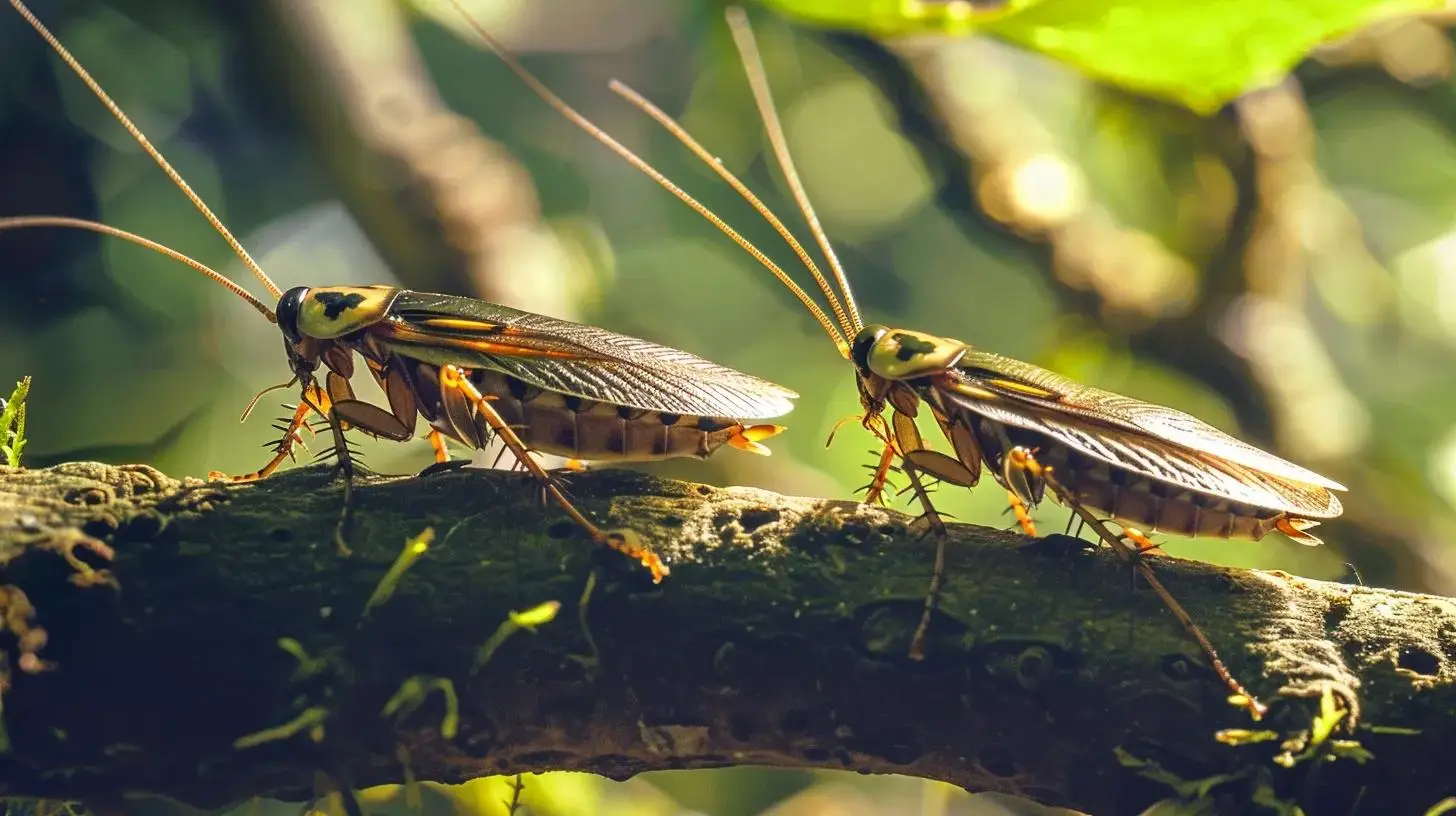
Roaches are a common problem in South Florida, where heat and humidity make homes inviting for these pests. This guide walks you through effective roach control options that prioritize safety and the environment. Homeowners regularly face infestations that can affect health and property — knowing which treatments work and how to prevent reinfestation will help you protect your family and your home. Below we cover the usual roach species in South Florida, professional removal methods, prevention tips, DIY choices, cost factors, and why Bugsy’s Pest Solutions is a trusted local partner.
Which roach species are most common in South Florida homes?
Two species show up most often in South Florida: the German cockroach and the American cockroach. Knowing how they behave and where they hide makes your control efforts far more effective.
Spotting German cockroaches in Florida kitchens
German cockroaches are small—about 0.5 to 0.6 inches long—and light brown with two darker stripes along their backs. Typical signs of an infestation include droppings that look like black pepper and a faint musty smell. They favor warm, humid spots and are usually found inside kitchen appliances, cabinets, and under sinks.
How to recognize American cockroaches in Florida homes
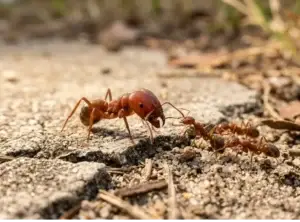
American cockroaches are much larger, often 1.5 to 2 inches long, reddish‑brown, with a yellowish “figure‑8” marking behind the head. They’re commonly found near basements, sewers, and drains. Their presence is often noticeable by a strong oily odor and elongated dark droppings. Identifying the species helps target the right treatment plan.
What professional roach treatments work best in South Florida?
Professionals typically have the best tools and experience to eliminate roach problems. Effective services combine a careful inspection, a targeted treatment plan, and follow‑up checks to make sure the problem stays solved.
What does Bugsy’s 3‑step inspection and tailored treatment look like?
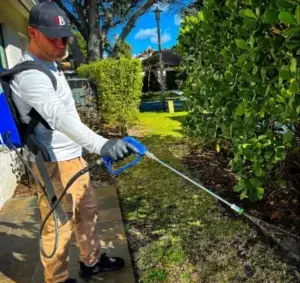
Bugsy’s Pest Solutions uses a three‑step approach: a thorough inspection to find the infestation’s size and entry points; a customized treatment plan using family‑safe, eco‑minded products; and follow‑up visits to verify results and block reinfestation. The goal is to remove pests while keeping your household and pets safe.
Which eco‑friendly, family‑safe options are used for roach control?
We rely on proven, low‑impact products like gel baits, boric acid, and diatomaceous earth. Gel baits lure roaches to feed and bring poison back to the nest. Boric acid upsets their digestive systems when used correctly. Diatomaceous earth works by dehydrating insects. When applied properly, these options reduce roach numbers without unnecessary risk to people, pets, or the environment.
What prevention steps keep roaches out of Florida homes?
Preventing roach problems is easier and cheaper than treating a full infestation. Practical habits and small repairs go a long way toward keeping roaches away from Florida homes.
How do sanitation and moisture control lower roach risk?
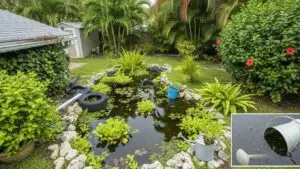
Good cleaning removes food sources: wipe counters, store food in sealed containers, and clean up spills quickly. Controlling moisture—fix leaks, vent damp areas, and use dehumidifiers where needed—also makes your home less attractive to roaches, which prefer damp environments.
Which sealing and exclusion steps stop roaches from getting in?
Seal cracks and gaps around windows, doors, and pipes using caulk or weather stripping. Check for holes where utilities enter the home and close them. These simple exclusions not only block roach entry but improve energy efficiency too.
How do DIY roach treatments compare to professional services in South Florida?
DIY options can help with small problems, but they don’t always address the root cause. Professionals provide a broader, longer‑lasting solution when infestations are established in South Florida.
What are the limits of boric acid, diatomaceous earth, and essential oils?
Boric acid and diatomaceous earth work well on limited infestations, but they may not eliminate large or hidden colonies. Essential oils can repel roaches temporarily, but they need frequent reapplication and aren’t as reliable as targeted baits or professional treatments. Choose DIY methods for early, contained sightings and call pros for bigger issues.
When is it time to call a professional exterminator?
Call a professional exterminator if you see many roaches, find lots of droppings, or discover egg cases. A licensed provider can diagnose the problem, treat it thoroughly, and put a plan in place to prevent a return — saving time and stress in the long run.
What affects the cost of roach extermination in South Florida?
Costs depend on factors like infestation size, the type of treatment used, and how often services are needed. Your provider can walk you through options and pricing to fit your situation for roach extermination in South Florida.
How do service packages and treatment frequency change pricing?
Packages vary: one‑time treatments cost less upfront but may require repeat visits, while regular maintenance plans spread costs and reduce the chance of future infestations. Discuss frequency and coverage with your technician to find the most cost‑effective plan for your home.
What free estimate options does Bugsy’s Pest Solutions provide?
Bugsy’s offers free estimates so homeowners can see recommended treatments and pricing before committing. That way you can compare options and choose the approach that fits your needs and budget.
Why choose Bugsy’s Pest Solutions for roach control in South Florida?
Picking the right company matters. Bugsy’s combines local know‑how with family‑friendly service to deliver results you can trust in South Florida.
How do veteran‑owned values build trust and accountability?
As a veteran‑owned, family‑run business, Bugsy’s brings accountability, respect, and a strong work ethic to every job. We stand behind our work and treat customers like neighbors — honest service, clear communication, and follow‑through.
What guarantees and local expertise support effective roach extermination?
Bugsy’s provides service guarantees and leverages local experience to address the specific pest pressures South Florida residents face. Their regional knowledge helps tailor treatments that actually work where you live. See our service area for details.
Different extermination methods provide different benefits through specific actions.
| Method | Description | Effectiveness | Safety |
|---|---|---|---|
| Gel Baits | Attracts roaches to a targeted poison they carry back to the nest | High | Designed to be safe for families and pets when used as directed |
| Boric Acid | Acts on the roach’s digestive system when ingested | Moderate | Safe when applied correctly and kept away from children and pets |
| Diatomaceous Earth | Dehydrates insects on contact without harsh chemicals | Moderate | Non‑toxic and eco‑friendly when food‑grade material is used |
This side‑by‑side helps you compare effectiveness and safety so you can choose the right approach for your home.
Roach problems can be stressful, but understanding the species, control methods, and prevention steps puts you back in control. With consistent prevention and the right treatment partner, you can protect your home and family.
If you’d like help, Bugsy’s Pest Solutions offers eco‑minded, effective treatments tailored to South Florida conditions. Request a free estimate today and take the first step toward a roach‑free home.
Frequently Asked Questions
What are the common signs of a roach infestation?
Look for live roaches, droppings that look like black pepper or small dark pellets, a musty or oily odor, and egg cases (small, brown capsules tucked into dark, warm spots). Spotting these signs early makes treatment much easier.
How should I safely dispose of dead roaches?
Wear gloves, pick up dead roaches with a paper towel or place them in a sealed plastic bag, and throw the bag in an outdoor trash bin. Wash your hands afterwards. This prevents contact with allergens and reduces the chance of spreading bacteria.
Are there natural roach repellents that actually work?
Some natural options—like peppermint, tea tree, and lavender oils—can deter roaches in small areas, and keeping a clean, dry home helps a lot. For established infestations, however, natural repellents are usually not enough on their own.
How often should I schedule professional pest control treatments?
Frequency depends on your situation. For prevention, quarterly visits are common. Active infestations often need monthly or more frequent visits until the problem is under control. Talk with a pro to set the right schedule for your home pest control treatments.
What should I do if I still see roaches after treatment?
If roaches are still visible after treatment, contact your pest control provider. Follow‑up visits or adjustments are sometimes needed, and the provider can check for additional entry points or hidden nests to correct the issue.
Can roaches affect my family’s health?
Yes. Roaches can carry bacteria and trigger allergies and asthma through their droppings, saliva, and shed skin. Promptly addressing infestations helps protect your family’s health and keeps your home sanitary.